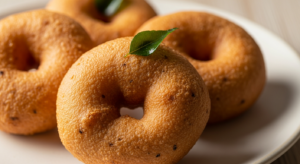


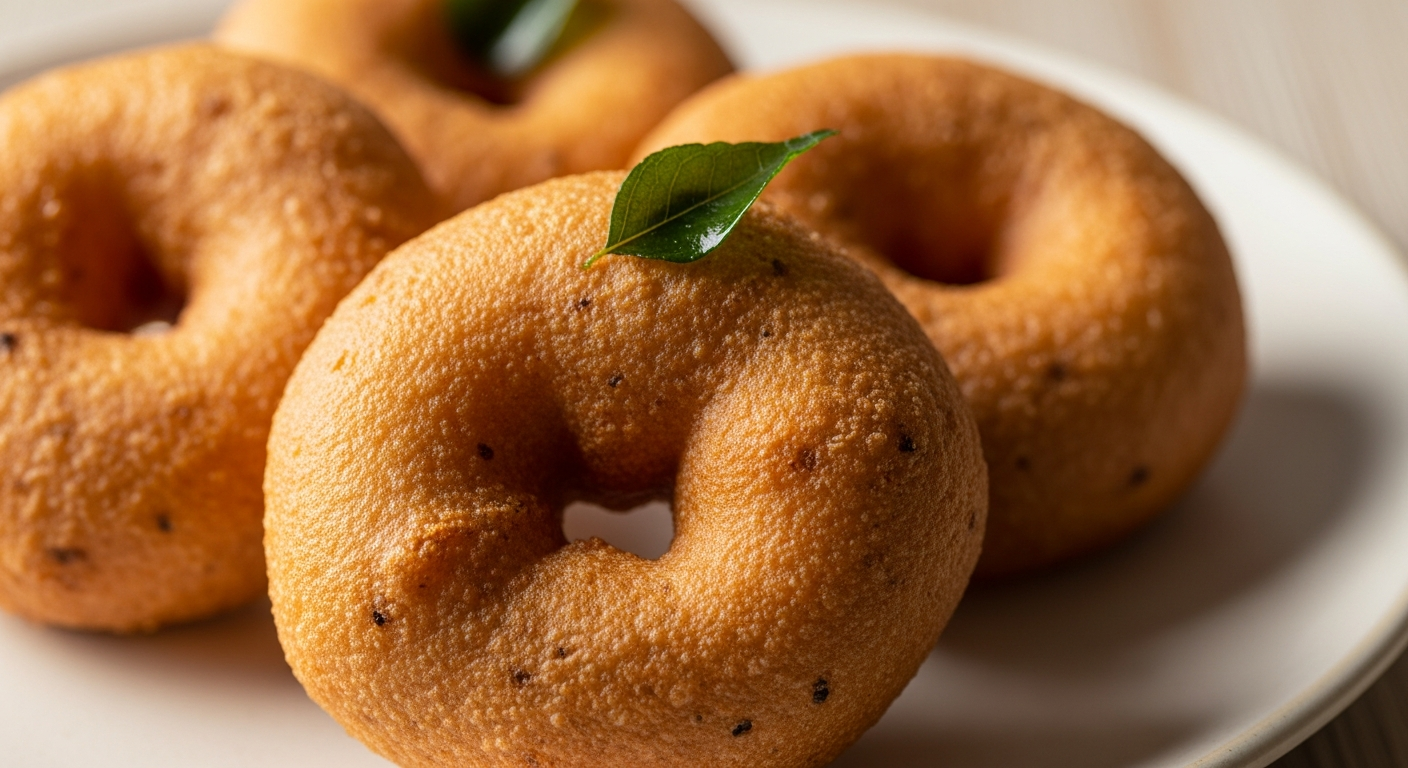
Golden, crunchy on the outside, tender and aromatic within, the crispy vada stands as one of India’s most cherished culinary treasures. This beloved lentil donut delight transcends mere street food status to become a symbol of comfort,culture,and timeless tradition.
Rooted in ancient recipes yet embraced by modern palates, vada offers a captivating glimpse into India’s rich regional flavors and culinary craftsmanship. In this article,we embark on a flavorful journey to explore the origins,variations,and irresistible charm of crispy vada-a snack that continues to captivate food lovers across generations and borders.
Crispy Vada has long been one of India’s most cherished street food delights, a dish that marries humble ingredients with unforgettable texture and flavor. Originating from South India, these golden lentil donuts carry centuries of rich culinary tradition, known for their crunchy exterior and soft, aromatic interior. Whether enjoyed as a quick snack or part of a festive meal,the crispy vada is revered not only for its taste but also as a cultural emblem that bridges generations and regions across India.
Prep and Cook Time
- Preparation Time: 20 minutes (excluding soaking)
- Cook Time: 15 minutes
- Total Time: 45 minutes
Yield
Makes approximately 10-12 crispy vadas, perfect for serving 4-6 people as a snack.
Difficulty Level
Medium – requires attention to batter consistency and frying technique for best results.
Ingredients
- 1 cup urad dal (split black gram lentils), soaked for 4-6 hours or overnight
- 1 teaspoon black peppercorns, crushed
- 1-2 green chilies, finely chopped
- 1 teaspoon grated fresh ginger
- 1 small onion, finely chopped (optional)
- 2 tablespoons fresh coriander leaves, chopped
- 1/2 teaspoon asafoetida (hing)
- Salt to taste
- Oil for deep frying (preferably a neutral oil like sunflower or peanut)
Instructions
- Drain the soaked urad dal thoroughly and grind it to a smooth, thick batter using minimal water to maintain a dense consistency. The batter should be light, fluffy, and capable of holding shape without spreading.Use a wet grinder or food processor. Tip: Grind in small batches for best texture.
- Transfer the batter into a mixing bowl and beat vigorously with a spoon or hand mixer for 5-7 minutes until fluffy and aerated. This step creates the desired lightness inside the vada.
- Add the crushed black peppercorns, chopped green chilies, grated ginger, asafoetida, salt, and coriander leaves, folding gently to incorporate the ingredients evenly.
- Heat oil in a deep frying pan over medium heat. To test, drop a small pinch of batter into the oil – if it rises steadily without browning immediately, the oil is ready.
- Wet your hands with water and take a small portion of the batter. Shape it into a round ball,gently pressing a hole in the center to form a doughnut shape (conventional vada shape). Carefully slide each vada into hot oil, frying in batches.
- Fry the vadas on medium heat, turning occasionally until they achieve a uniform golden hue and emit a crispy crackle, about 4-5 minutes per batch. Avoid overcrowding to maintain oil temperature and crispness.
- Remove with a slotted spoon and drain on kitchen paper to absorb excess oil. Serve warm immediately for the best experience.
Chef’s Notes: Tips for Success
- Consistency is key: The batter should be thick and slightly sticky but airy. Too much water results in soggy vadas, while too thick batter leads to dense texture.
- Use fresh urad dal: For authentic flavor and perfect texture, freshly ground urad dal produces the best batter.
- Don’t skip the beating: Aerating the batter after grinding traps air and helps achieve that characteristic fluffy interior.
- Oil temperature matters: Medium heat preserves the shape and allows a gradual golden crust to form without burning.
- Add optional finely chopped onions for a slight crunch and sweetness layer inside the vada.
- Make ahead: Batter can be refrigerated for up to 12 hours, but beat again before frying for best texture.
Serving Suggestions and Pairings for an Authentic Experience
Nothing complements the rich, crispy texture of this South Indian lentil delight like traditional accompaniments. Serve your crispy vada piping hot alongside a bowl of tangy coconut chutney, cooling mint coriander chutney, or spicy tamarind sambar. A sprinkle of finely chopped fresh coriander and sev (crispy chickpea noodles) adds visual contrast and a burst of texture.
For a truly immersive experience,plate these golden donuts on a banana leaf or colorful ceramic dish,paired with a hot cup of filter coffee or masala chai.
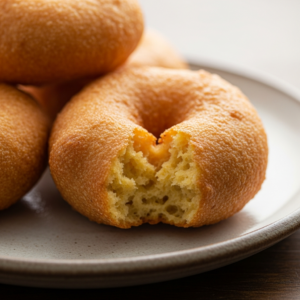 Golden and crunchy crispy vada served with fresh coconut chutney and sambar.
| Nutrient | Per Serving (2 vadas) |
|---|---|
| Calories | 180 kcal |
| Protein | 8 g |
| Carbohydrates | 20 g |
| Fat | 7 g |
For more delicious Indian snack recipes to accompany your crispy vada, explore our detailed guide on traditional sambar. To deepen your understanding of South Indian culinary roots,visit this Smithsonian exploration of South Indian cuisine.
Q&A
Q&A: Crispy Vada – Exploring India’s Beloved Lentil Donut Delight
Q1: What exactly is a Vada?
A1: Vada is a quintessential South Indian snack,often described as a savory lentil donut.It’s made from ground lentils-typically urad dal (black gram)-mixed with aromatic spices and herbs, then shaped into doughnut-like rings or patties and deep-fried to crispy perfection. The result is a golden, crunchy exterior with a soft, fluffy interior that’s utterly irresistible.
Q2: Why is Vada so popular across India?
A2: Vada holds a special place in Indian kitchens and street food culture because it combines simplicity,flavor,and texture in one delightful bite. Its comforting yet robust taste appeals to people of all ages, and it pairs beautifully with a variety of chutneys and sambar (a tangy lentil stew), making it a versatile and beloved snack or breakfast item.
Q3: What lentils are typically used to make Vada, and why?
A3: The most common lentil used is urad dal, prized for its sticky, fluffy qualities when ground and soaked. Sometimes chana dal (split chickpeas) or a combination of lentils are added for extra crunch and flavor complexity. These lentils provide a high-protein base and enable the vada to hold shape while frying crisp and light.
Q4: How is the traditional Vada batter prepared?
A4: The preparation begins with soaking the lentils for several hours to soften them. After draining, the lentils are ground into a thick, smooth batter without water or with minimal water, to retain a thick consistency. Chopped green chilies, curry leaves, ginger, black pepper, and asafoetida (hing) are stirred in for flavor. The mixture is then gently shaped into rounds or doughnuts and deep-fried until golden brown.
Q5: What makes Vada crispy on the outside and soft on the inside?
A5: The texture contrast comes down to the batter consistency and frying technique. A thick batter holds air pockets that puff up when fried, creating a crunchy crust. Using hot oil at the right temperature ensures the exterior crisps quickly without absorbing excess oil, while the interior remains tender and moist.
Q6: Are there regional variations of Vada?
A6: Absolutely! While medu vada-the classic urad dal donut-is popular in Tamil Nadu and Kerala, regions like Maharashtra enjoy batata vada (mashed potato fritters), and Andhra Pradesh has pesara vada made with moong dal (green gram). Each variation carries unique flavors and slight tweaks in spices but shares the same deep-fried,crunchy appeal.
Q7: How is Vada traditionally served?
A7: Vada is commonly served hot alongside coconut chutney, tomato chutney, or tangy sambar. In South Indian tiffins, it’s often plated with idli and dosa, delivering a medley of textures. Street vendors dish out piping hot vadas wrapped in paper, ideal for an on-the-go crispy snack.
Q8: Can vada be made gluten-free and/or vegan?
A8: Yes! Vada is naturally gluten-free since it’s made from lentils, and traditional recipes contain no dairy or eggs, making it a vegan-friendly delight. This makes it accessible for people with dietary restrictions while maintaining its authentic flavor.
Q9: What occasions or festivals is Vada commonly associated with?
A9: vada is a staple during many South Indian festivals and religious offerings, especially during auspicious days like Onam, Vinayaka Chaturthi, and Diwali. Its auspicious donut shape symbolizes completeness and prosperity in some traditions.
Q10: Any tips for making perfect Vadas at home?
A10: Absolutely! Soak the lentils long enough (ideally 4-6 hours), grind the batter just right-think thick yet airy, not watery-and maintain steady oil temperature around 350°F (175°C). Avoid overcrowding the frying pan, and drain vadas on paper towels to keep them crisp. Experiment with your spice mix but remember, simplicity is the heart of an authentic crispy vada.
With its irresistible crunch, rich heritage, and comforting flavor, the vada remains a shining gem in india’s vast culinary tapestry, inviting food lovers worldwide to experience a savory lentil delight like no other!
In Summary
As the final bite of a crispy vada melts away, it leaves behind more than just a lingering crunch-it carries the essence of a rich culinary tradition that has delighted taste buds across India for generations. This humble lentil donut, with its golden exterior and soft, flavorful heart, is a testament to the magic that happens when simple ingredients meet expert hands and a dash of cultural heritage.
Whether enjoyed on bustling street corners with tangy chutneys or savored in the comfort of home, the vada invites us to celebrate not just a snack, but a vibrant story woven into the fabric of Indian cuisine. So next time you crave a taste adventure, let the crispy vada be your guide to a world where flavor, history, and community come together in every irresistible bite.