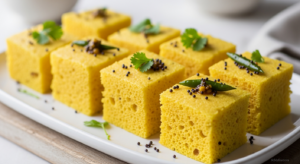


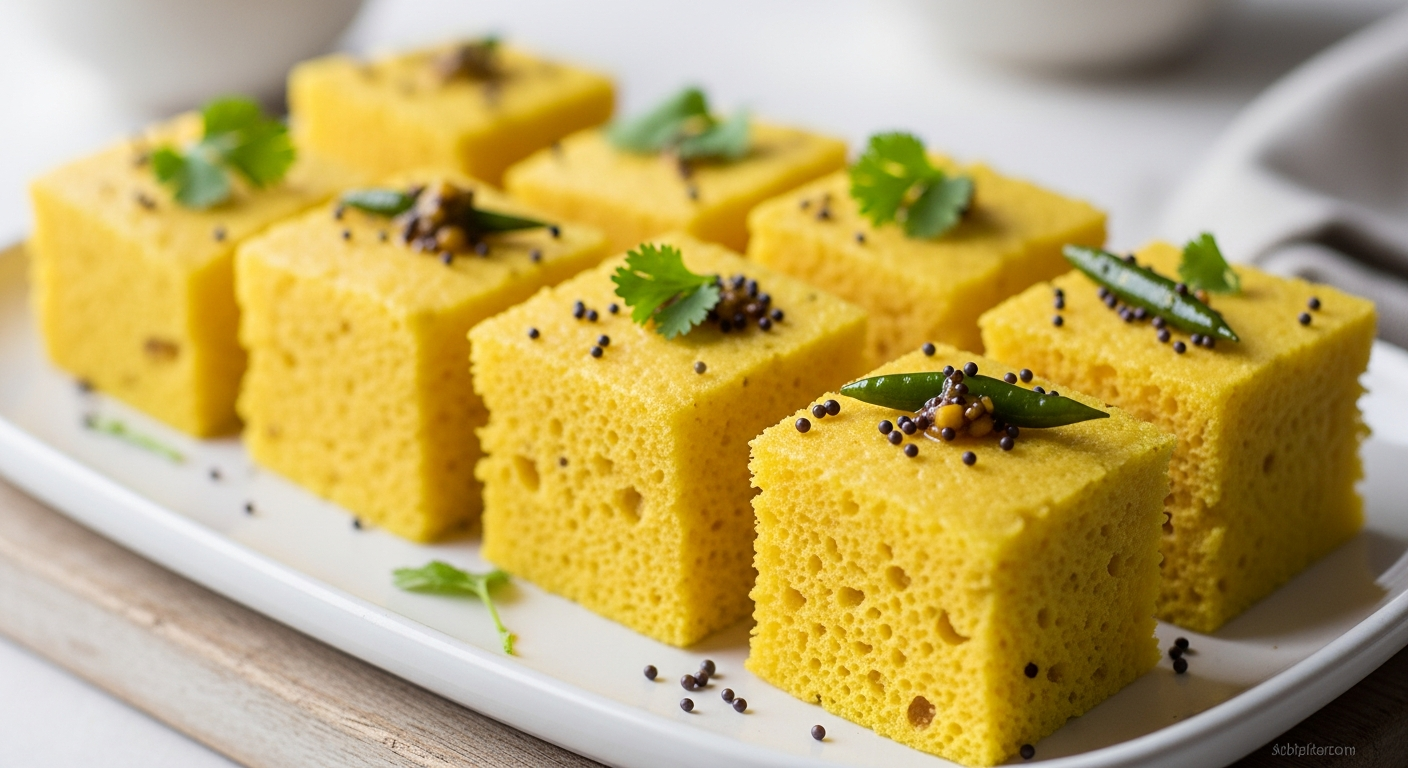
In the bustling kitchens of India’s western heartland, a culinary marvel rises-not in an oven, but in the gentle embrace of steam. Dhokla,the humble yet enchanting steamed savory cake,transcends its simple ingredients to become a symbol of tradition,innovation,and flavor harmony.
“Dhokla Delight: The Art of Steamed Savory Cake Unveiled” invites you on a flavorful journey into the origins, techniques, and subtle nuances that make this snack a beloved staple across continents. From its spongy texture to its tangy, aromatic symphony, discover how dhokla is not just food, but an edible expression of culture, patience, and culinary artistry.
The History and Cultural significance of Dhokla Delight
Dhokla Delight is more than just a steamed savory cake; its a symbol of Gujarat’s rich culinary heritage and a beloved snack across India. Originating from the western state of Gujarat, this light and fluffy delicacy has been enjoyed for centuries, traditionally made from fermented batter of rice and chickpea flour. It reflects the ingenuity of Indian cuisine,where simple,locally sourced ingredients are transformed into something extraordinary.
Dhokla Delight carries with it stories of festivals, family gatherings, and street food stalls bustling with vibrant colors and aromas. Its quick fermentation process represents the resourceful use of ingredients, adapting to a vegetarian lifestyle with bold flavors and a texture that melts in your mouth, making it a staple at tea time and celebrations alike.
The balance of a slightly tangy, mildly spiced cake with a tempered mustard seed and curry leaf garnish adds a depth of flavor that is irresistible. Throughout India and across continents, Dhokla Delight has evolved beyond its origins, becoming a versatile canvas for creative chefs and home cooks alike.
Prep and Cook Time
- Preparation: 15 minutes
- Fermentation: 4 to 6 hours (optional for enhanced tanginess)
- Cooking (steaming): 15 to 20 minutes
Yield
Serves 6 to 8 people, perfect for sharing as a snack or appetizer.
Difficulty Level
Easy to Medium: Suitable for beginner cooks with some attention to batter consistency and steaming time.
Ingredients
- 1 cup gram flour (besan), sifted
- ¼ cup semolina (rava), for slight texture
- 1 cup plain yogurt (dahi), whisked smooth
- ½ cup water
- 1 tablespoon ginger-green chili paste
- 1 teaspoon fruit salt (eno) or baking soda
- 1 tablespoon lemon juice
- 1 teaspoon sugar
- ½ teaspoon salt, or to taste
- 2 tablespoons oil, divided (for batter and tempering)
- For Tempering:
- 1 teaspoon mustard seeds
- 1 teaspoon sesame seeds
- 8-10 curry leaves
- 2 green chilies, slit
- ½ teaspoon asafoetida (hing)
- 1 tablespoon chopped fresh coriander, for garnish
- Grated coconut (optional), for garnish
Instructions
- Prepare the batter: In a large mixing bowl, combine gram flour, semolina, salt, and sugar. Add whisked yogurt and ginger-green chili paste. Gradually stir in water to form a smooth, thick batter with a pouring consistency – similar to pancake batter. Cover and let it rest for 4 to 6 hours for fermentation to develop a tangy aroma (optional but highly recommended for authentic Dhokla Delight).
- Activate the rise: just before steaming, add lemon juice followed by fruit salt (Eno) or baking soda. Gently fold the batter. It will froth up – this is vital for the signature fluffy texture.Work swiftly to transfer the batter into a greased steaming tray (8 or 9 inch).
- Steam to perfection: Preheat your steamer or a large pot with a lid filled partially with water. Place the tray on a rack above boiling water. Cover tightly and steam for 15 to 20 minutes, or until a toothpick inserted in the centre comes out clean. Avoid opening the lid during the first 10 minutes of steaming to prevent batter collapse.
- Prepare tempering (tadka): While steaming, heat oil in a small pan. Add mustard seeds and wait until they start popping. Add sesame seeds, curry leaves, slit green chilies, and asafoetida. Sauté until fragrant and the curry leaves turn crisp (about 1-2 minutes).
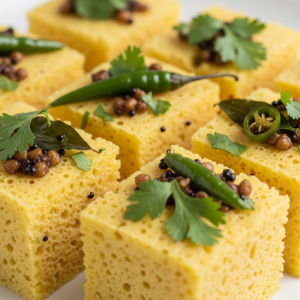
- Finish and garnish: Once steamed, remove the dhokla from the tray and pour the hot tempering evenly over it. let it absorb the flavors for 5 minutes. Cut into squares or diamonds, garnish generously with chopped coriander and optionally with freshly grated coconut.
- Serve warm: Enjoy with sweet tamarind chutney or green coriander-mint chutney for a balanced, mouthwatering snack.
Chef’s Notes: Tips for Success in Dhokla Delight
- Batter consistency: the batter should be thick yet pourable. If too thick, add a splash of water. Too thin and the dhokla won’t rise well or hold shape.
- Fermentation magic: While skipping fermentation is possible with fruit salt, allowing the batter to ferment overnight ensures natural tang and improved texture.
- Steaming vessel tip: Use a perforated steaming rack or idli stand for even heat circulation to avoid soggy bottoms.
- Fruit salt substitute: If unavailable, baking soda combined with lemon juice works well but add gently to avoid excessive frothing.
- Make-ahead option: Batter can be prepared and refrigerated overnight. Bring to room temperature before adding fruit salt and steaming.
- Innovate with flours: Experiment with small proportions of rice flour or moong dal flour to vary texture while keeping that iconic softness.
Innovative Flavor Variations to Elevate Your Dhokla Delight Experiance
To elevate your Dhokla Delight beyond its classic rendition, consider infusing the batter with grated vegetables such as carrots or beets, lending vibrant colour and nutrition. For a smoky aroma, sprinkle freshly ground cumin seeds or caraway into the batter. Incorporate finely chopped fresh herbs like mint or dill for refreshing notes. Alternatively,add a touch of ginger and garlic paste for a more robust,aromatic dhokla.
For a fusion twist, top steamed dhokla with crumbled paneer and a drizzle of spiced yogurt, creating a rich contrast of creamy and tangy flavors. Or sprinkle toasted nuts like cashews post-tempering to introduce crunch and nuttiness.
Essential Tips for Steaming and Serving Dhokla Delight to Perfection
Steaming is the heart of achieving that classic airy texture. Ensure your steaming vessel is preheated and filled with enough boiling water to avoid interruptions. Cover the dhokla tightly during cooking to trap steam evenly.Immediately after cooking, let the dhokla rest a couple of minutes before applying tempering for maximum flavor infusion.
When slicing, use a sharp, wet knife to prevent sticking and maintain clean edges. Serving hot with both sweet and spicy chutneys creates a harmonious balance – try classic tamarind chutney or tangy coriander-mint chutney for elevated impact. For visual appeal, garnish with fresh coriander, sesame seeds, and freshly grated coconut to delight all senses.
| Nutrient | Per Serving |
|---|---|
| Calories | 150 kcal |
| protein | 6 g |
| Carbohydrates | 18 g |
| Fat | 7 g |
For further culinary inspiration, explore our article on The Ultimate Guide to indian Snacks or visit Britannica’s detailed entry on Dhokla for past context.
Q&A
Q&A: Dhokla Delight: The Art of Steamed Savory Cake Unveiled
Q1: What exactly is dhokla, and where does it originate from?
A: Dhokla is a vibrant, fluffy, and mildly tangy savory cake that hails from the western Indian state of Gujarat. It’s a culinary emblem of Gujarati cuisine, loved for its unique texture and radiant yellow hue, traditionally achieved through a blend of fermented batter and steaming.
Q2: What makes dhokla different from other savory cakes or snacks?
A: Unlike baked or fried savory cakes, dhokla owes its soft, spongy texture to a gentle steaming process. This method preserves moisture and creates a delicate crumb, distinguishing it from denser or crispier snacks. Its flavor profile balances sourness, a touch of sweetness, and subtle spices, making it a versatile delight.
Q3: Which ingredients are essential to perfecting dhokla’s signature taste?
A: The heart of dhokla lies in fermented batter made from gram flour (besan) and sometimes rice flour, combined with yogurt or lemon juice for tang. Mustard seeds, green chilies, asafoetida, and curry leaves typically form the tempering, imparting aroma and a slight kick without overpowering the gentle base.
Q4: How critically important is fermentation in preparing dhokla?
A: Fermentation is a cornerstone of dhokla’s charm. It not only enhances the cake’s softness and creates a subtle bubbliness but also elevates the flavor, lending a delightful tanginess. This process encourages natural leavening and transforms simple pulses and flours into a light, airy masterpiece.
Q5: Can dhokla be adapted for gluten-free or vegan diets?
A: Absolutely! As dhokla primarily uses gram flour, which is naturally gluten-free, it’s a fantastic choice for gluten-sensitive eaters. For a vegan twist, substitute yogurt with plant-based alternatives or lemon juice. The steaming technique remains unchanged, keeping the result equally airy and delicious.
Q6: What is the conventional way to serve dhokla?
A: Dhokla is traditionally cut into bite-sized squares and garnished with a tempering of mustard seeds, chopped green chilies, fresh coriander, and grated coconut. It’s often enjoyed with tangy green chutney or sweet tamarind chutney, which adds layers of flavor complexity.
Q7: Are there creative variations of dhokla that one can try at home?
A: Definately! While classic dhokla shines on its own, creative cooks have experimented by adding grated vegetables like carrots or bottle gourd for extra nutrition, or incorporating spices like turmeric and ginger for added depth. Some even try layering different flours or infusing herbs, offering endless innovation while respecting tradition.
Q8: What are some tips for ensuring the perfect fluffy texture every time?
A: Key tips include using fresh batter that’s properly fermented,not overmixing to maintain airiness,steaming at the right temperature to avoid sogginess,and allowing the dhokla to rest briefly before slicing. A pinch of baking soda or fruit salt added just before steaming helps impart that iconic rise.
Q9: How does the tempering (tadka) enhance dhokla?
A: The tempering is more than just decoration-it adds bursts of flavor and a slight crunch that contrasts the softness of dhokla. Hot oil infused with mustard seeds,asafoetida,and curry leaves is poured over the cake,releasing fragrant oils that elevate the dish’s sensory appeal.
Q10: Why has dhokla remained a beloved snack across generations and cultures?
A: Dhokla’s enduring popularity stems from its perfect balance of taste, texture, and wholesome simplicity. It’s nourishing yet light, versatile enough for breakfast, snack time, or celebrations. Its cultural roots fused with infinite adaptability make dhokla not just a dish, but a delightful experience cherished worldwide.
In Summary
As the last steamy bite of dhokla melts away, one can truly appreciate the delicate harmony of flavors and textures that make this savory cake a beloved culinary gem. More than just a dish, dhokla is a testament to the art of steaming-transforming simple ingredients into a light, fluffy masterpiece that celebrates tradition and innovation alike. Whether savored in a bustling Indian market or recreated in your own kitchen, the delight of dhokla invites us to embrace the rich tapestry of culture, craft, and creativity that lives within every bite. So next time you encounter this golden, spongy marvel, remember: you are partaking in a centuries-old story, lovingly steamed and served just for you.