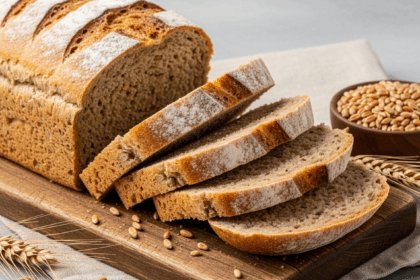





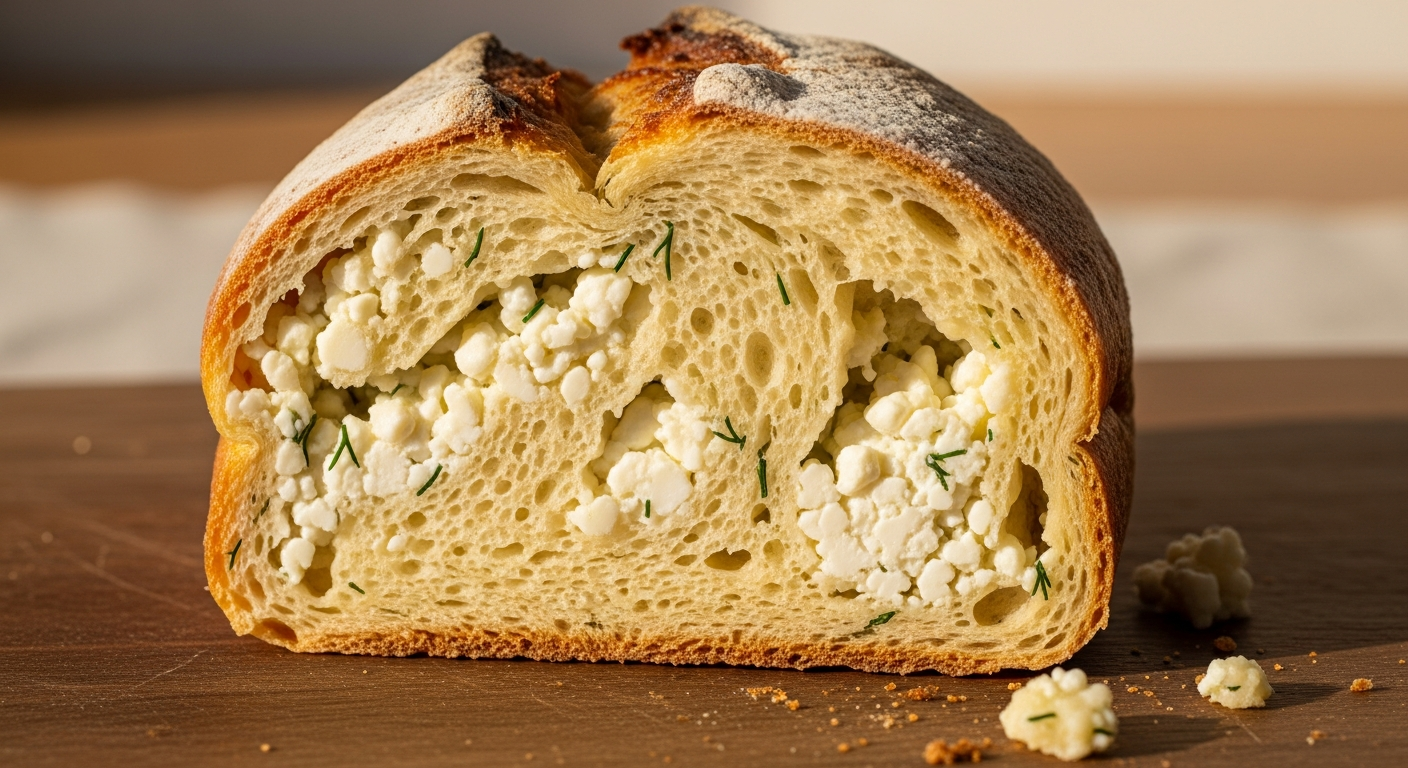
There’s something undeniably comforting about the warm,tender embrace of freshly baked bread-especially when it carries a secret ingredient that elevates its texture adn flavor to new heights. Enter creamy cottage cheese, the unsung hero of this soft, savory delight that transforms ordinary bread into an irresistible treat. In this article, we’ll uncover the magic behind creamy cottage cheese bread, a recipe that marries moistness and subtle tanginess with a pillowy crumb, perfect for everything from hearty sandwiches to simple buttered slices. Whether you’re an experienced baker or a kitchen novice, this creamy cottage cheese bread promises to become a beloved staple on your countertop and a delicious companion to your meals.
Creamy Cottage Cheese Bread offers an extraordinary culinary experience were tenderness meets a subtle tang, creating a loaf unlike any other. This bread’s signature soft crumb and gently savory undertones spring directly from the luscious creaminess of cottage cheese kneaded into the dough, imparting moisture and a delicate richness that elevates every bite. Whether you’re new to artisan baking or seeking to refine your skills, mastering this bread opens doors to a rustic yet refined flavor profile that pairs beautifully with both sweet and savory accompaniments.
Prep and Cook Time
- Preparation: 20 minutes
- Proofing: 1 hour 30 minutes (2 rises)
- Baking: 35 minutes
- Total Time: Approximately 2 hours 25 minutes
Yield
- 1 loaf (about 12 slices)
Difficulty Level
- Intermediate – perfect for bakers cozy with yeast dough and looking to explore enhanced textures
Ingredients
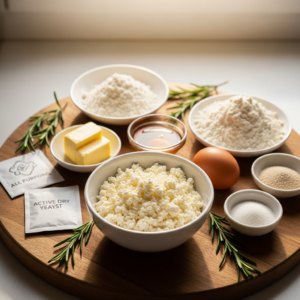
- 2 cups all-purpose flour, sifted
- 1 cup whole milk cottage cheese, well-drained
- 1/2 cup warm water (105-110°F)
- 2 tbsp unsalted butter, softened
- 2 tbsp granulated sugar
- 1 1/2 tsp active dry yeast
- 1 tsp fine sea salt
- 1 large egg, room temperature
Step-by-Step Instructions
- Activate the yeast: In a small bowl, combine warm water and sugar. Sprinkle the yeast over and let it bloom for 5-7 minutes until foamy, signaling active yeast ready to work its magic.
- Prepare the dough base: In a large mixing bowl, whisk the sifted flour and sea salt. Add the well-drained cottage cheese, softened butter, and egg. Mix gently to distribute ingredients.
- Combine wet and dry: Pour the yeast mixture into the flour blend. Using a wooden spoon or dough hook on a stand mixer, stir until ingredients begin to coalesce.
- Knead for texture: Transfer dough onto a lightly floured surface. Knead by hand for 8-10 minutes or mix with a stand mixer fitted with a dough hook for 6-7 minutes. look for a soft, slightly sticky dough that springs back when pressed-avoid overflouring to maintain the bread’s characteristic moist crumb.
- First Rise: Place dough in an oiled bowl, cover with a damp towel or plastic wrap. Let it rest in a warm spot until doubled in size, about 1 hour. This step is crucial for optimal rise, ensuring light fluffiness and aeration.
- Shape your loaf: Gently punch down the risen dough to release gas. Form it into a tight oval loaf or fit it into a greased 9×5-inch bread pan, tucking edges underneath neatly to keep a smooth top.
- Second Rise: Cover and proof for 30-40 minutes until the dough puffs slightly, indicating readiness for baking.
- Bake to golden perfection: Preheat your oven to 375°F (190°C). For a more pronounced crust, place an oven-safe dish with water on the lower rack to create steam. Bake for 30 to 35 minutes, until the crust is irresistibly golden and the loaf sounds hollow when tapped underneath.
- Cool before slicing: Transfer the bread onto a wire rack and let it cool fully for clean, even slices. This resting time improves crumb structure and enhances the creamy cottage cheese bread’s gentle flavor.
Chef’s Notes & Tips for Success
- drain cottage cheese: Excess moisture can weigh down the dough. Use a fine mesh sieve or cheesecloth to drain thoroughly before adding.
- Flour alternatives: For a nuttier taste,substitute up to 30% whole wheat flour,but maintain hydration levels for softness.
- Check dough consistency: Slight stickiness ensures a soft crumb but if too wet, sprinkle a touch more flour incrementally.
- Flavor variations: Add minced fresh herbs like rosemary or thyme during mixing for herbal savory notes.
- Make ahead: Bake the bread a day in advance and store tightly wrapped. Refresh slices in a toaster or warm oven to revive creaminess.
Serving Suggestions
The creamy cottage cheese bread shines when served warm and slathered with a touch of high-quality butter or extra-virgin olive oil. Garnish with freshly cracked black pepper and flaky sea salt for a simple yet elevated snack.
For heartier fare, pair slices with robust cheeses like aged cheddar or tangy goat cheese, fresh garden tomatoes, and crisp cucumber slices. A drizzle of honey and a sprinkle of toasted walnuts add a lovely contrast.
Use this bread as a base for elegant open-faced sandwiches topped with smoked salmon, avocado, and microgreens for brunch, or alongside a velvety lentil soup to balance textures.
| Nutrient | Per Slice (Approx.) |
|---|---|
| Calories | 140 kcal |
| Protein | 6 g |
| Carbohydrates | 22 g |
| Fat | 3 g |
For those interested in exploring more artisan breads, check out our Rustic Artisan Bread Recipe and expand your baking repertoire. To deepen your understanding of yeast fermentation science, visit the comprehensive guide at King Arthur Baking’s Bread Science Guide.
Q&A
Q&A: Creamy Cottage Cheese Bread – A Soft, Savory Delight Recipe
Q1: what makes cottage cheese bread different from regular bread?
A1: Cottage cheese bread is celebrated for its uniquely tender crumb and rich, creamy texture. Unlike typical bread, the addition of cottage cheese introduces both moisture and a subtle tang, resulting in a loaf that’s soft, flavorful, and pleasantly savory. It’s like a warm hug from the inside!
Q2: Is cottage cheese bread difficult to make at home?
A2: Not at all! This recipe is surprisingly straightforward, perfect for both novice bakers and seasoned pros. With common pantry staples and simple techniques, you can effortlessly create a loaf that tastes artisanal but requires no fancy equipment.
Q3: Can I use other types of cheese instead of cottage cheese?
A3: While you can experiment with cheeses, cottage cheese stands out because of its creamy texture and mild flavor, which gently enrich the bread without overpowering it.Harder cheeses might alter the dough’s moisture content and texture, so cottage cheese is the recommended star for this particular recipe.
Q4: How does the texture of cottage cheese affect the bread?
A4: The tiny curds in cottage cheese lend an unusual softness to the crumb, creating pockets of moisture that keep the bread delightfully tender even days after baking. It also contributes to a subtle creaminess that melts beautifully on the tongue.
Q5: What’s the best way to enjoy creamy cottage cheese bread?
A5: This bread shines both plain and dressed up. Toasted lightly with a touch of herb butter or layered with fresh vegetables and creamy spreads, it’s a versatile companion for breakfasts, snacks, or savory sandwiches. Its gentle tang makes it excellent alongside robust soups or hearty salads too!
Q6: Can this bread recipe be made gluten-free?
A6: Adapting to gluten-free flours can be a fun challenge! While traditional wheat flour delivers optimal rise and texture, using a well-balanced gluten-free flour blend and adding binders like xanthan gum can help mimic that softness. Just be mindful that the dough may need a little extra care during proofing.
Q7: How long does creamy cottage cheese bread stay fresh?
A7: thanks to the moisture from cottage cheese, this bread tends to stay soft for about 3 to 4 days when stored in an airtight container at room temperature. For longer storage,freezing slices ensures you can enjoy its creamy goodness anytime.
Q8: Are there any tips for achieving the perfect rise and crumb?
A8: Absolutely! Ensure your yeast is fresh and active, knead the dough until it’s smooth and elastic, and allow the first rise in a warm, draft-free spot. The cottage cheese’s moisture means the dough is slightly heavier, so patience during rising is key to a light, airy crumb.
Q9: Can I add herbs or spices to enhance the flavor?
A9: Definitely! Fresh or dried herbs like rosemary, thyme, or chives complement the mild tang of cottage cheese beautifully.You can also experiment with garlic powder,cracked black pepper,or even a pinch of smoked paprika for a subtle kick.
Q10: What are some creative serving suggestions for this bread?
A10: Beyond classic toasting, try making open-faced sandwiches topped with avocado and cherry tomatoes, layering it with sautéed mushrooms and spinach, or simply dipping slices into warm olive oil infused with herbs. Its creamy nature pairs wonderfully with bold flavors without stealing the spotlight.
Ready to bake your own creamy cottage cheese bread? Embrace the softness, savor the subtle tang, and enjoy every comforting bite of this savory delight!
Closing Remarks
Whipping up this Creamy Cottage Cheese bread is more than just baking-it’s crafting a slice of comfort that marries softness with a subtle, savory charm. With each bite, you experience the tender crumb and the gentle tang of cottage cheese, elevating a simple loaf to something truly memorable. Whether enjoyed fresh from the oven or as the base for your favorite sandwich, this bread invites you to savor the warmth and richness that homemade goodness brings.So next time you’re craving something both cozy and unique, remember this recipe-your kitchen’s new best friend for soft, savory delight.