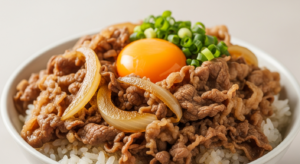





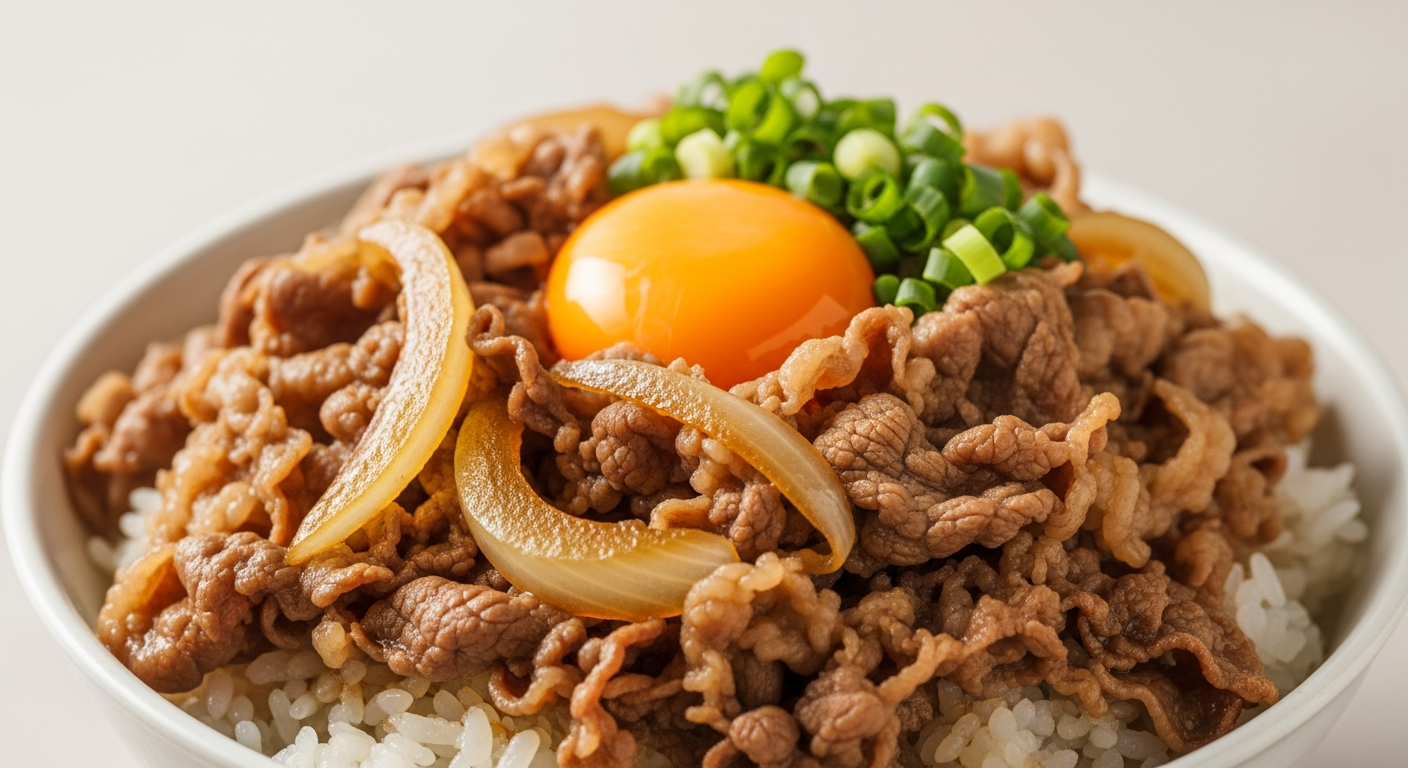
In the bustling heart of Japan’s culinary tapestry lies a humble yet unforgettable dish that has captured the hearts and appetites of locals and visitors alike: gyudon. often described as a comforting embrace in a bowl, gyudon-Japan’s savory beef rice bowl-combines thinly sliced, tender beef simmered in a subtly sweet soy-based sauce, layered atop steaming white rice. More than just a fast meal, this beloved dish embodies centuries of tradition, regional flavors, and the perfect harmony of simplicity and depth. Join us as we uncover the story behind gyudon’s rise from everyday fare to iconic comfort food, exploring its origins, cultural significance, and the secrets that make each bite irresistibly tasty.
Gyudon, Japan’s beloved savory beef rice bowl delight, has captivated taste buds for generations with its harmonious blend of tender beef, subtly sweet sauce, and warm steamed rice. This dish emerged during the Meiji era as a quick, affordable meal for the working class, blossoming into an iconic comfort food across Japan. my first encounter with gyudon was at a tiny Tokyo eatery where the aroma of simmering dashi and onion-infused beef instantly drew me in-every bite was a perfect marriage of umami and softness.
Prep and Cook Time
- Prep Time: 10 minutes
- Cook Time: 15 minutes
- Total Time: 25 minutes
Yield
Serves 4 hearty portions
Difficulty Level
Easy – Perfect for both beginners and seasoned cooks
Ingredients
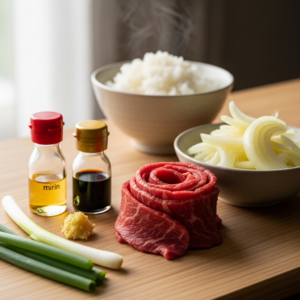
- 500g thinly sliced beef ribeye or sirloin, preferably well-marbled
- 1 large yellow onion, thinly sliced
- 2 cups cooked Japanese short-grain rice, steamed and fluffy
- 1 cup dashi broth (homemade or instant)
- 3 tbsp soy sauce (use naturally brewed for authenticity)
- 2 tbsp mirin (Japanese sweet rice wine)
- 1 tbsp sugar
- 1 tsp grated fresh ginger
- 2 green onions, finely sliced for garnish
- Pickled red ginger (beni shoga), for a tangy contrast
- 1 tbsp vegetable oil or neutral oil
- Shichimi togarashi (optional Japanese seven-spice) for finishing
Instructions
- Prepare the base: In a medium skillet, heat vegetable oil over medium heat. Add the thinly sliced onions and sauté until they soften and turn translucent, about 5 minutes.
- Simmer the broth: Pour in the dashi broth, soy sauce, mirin, sugar, and grated ginger. Stir gently and bring to a simmer, allowing the flavors to meld for 3 minutes.
- Cook the beef: Add the thinly sliced beef in batches, gently separating slices as you add them. Simmer until just cooked through, about 3-4 minutes. Avoid overcooking to retain juiciness.
- Combine and reduce: Let the mixture simmer gently until the sauce slightly thickens, coating the beef and onions luxuriously.
- Prepare the bowls: Spoon steaming hot Japanese short-grain rice into individual bowls.
- Assemble: Generously ladle the beef and onion mixture atop the rice, ensuring a good balance of meat and sauce with each serving.
- garnish: sprinkle finely sliced green onions, add a few strands of pickled red ginger, and finish with an optional dust of shichimi togarashi for depth and a gentle heat kick.
Tips for Success: Crafting the Perfect Gyudon
- Choose thin, well-marbled beef: Thinly sliced beef ribeye or sirloin is ideal for tenderness and flavour. If unavailable, substitute with quality flank steak sliced as thin as possible against the grain.
- Balance sweetness and saltiness: Taste the simmering sauce before adding beef; adjust mirin and sugar increments to suit yoru palate, ensuring it’s not overly sweet.
- Control cooking time: Adding beef in batches ensures even cooking without overcrowding, preserving texture and preventing steaming.
- Make ahead: the beef and broth mixture can be prepared a day in advance; simply refrigerate and reheat gently before serving over fresh rice.
- Broth alternatives: For a richer flavor,enhance the dashi with a splash of soy-infused mushroom broth or add a pinch of kombu powder.
Regional variations and Modern Twists
While the classic gyudon is a simple, comforting staple, different regions in Japan add subtle flourishes. In Osaka, as an example, some versions introduce a light egg custard on top, adding a silky contrast. Modern takes may incorporate sliced shiitake mushrooms or substitute beef with plant-based alternatives to suit diverse diets. Fusion enthusiasts often pair gyudon with kimchi or spicy mayo for bold flavor elevation.
Serving Suggestions
Serve your gyudon steaming hot with a side bowl of miso soup for a balanced meal. garnish with freshly chopped green onions and pickled red ginger to cut through the richness of the beef. A soft-boiled egg or tamago (Japanese omelette) placed atop adds an indulgent creaminess. To elevate presentation, drizzle a few drops of toasted sesame oil over the bowl just before serving. Pair with a crisp cucumber salad or a small seaweed salad for colour and texture contrast.
| nutrient | Per Serving |
|---|---|
| Calories | 480 |
| Protein | 32g |
| Carbohydrates | 56g |
| Fat | 14g |
For a deeper dive into Japanese rice bowls, check out our guide on Donburi Rice Bowls: The heart of Japanese home Cooking. To explore the cultural roots of dashi used in gyudon, visit Japan Guide: Dashi Broth.
Q&A
Q&A: Gyudon Uncovered: Japan’s Savory Beef Rice Bowl Delight
Q: What exactly is Gyudon?
A: Gyudon, often called the “beef bowl,” is a beloved Japanese comfort food consisting of thinly sliced beef and onions simmered in a savory-sweet sauce, served atop a steaming bowl of fluffy white rice.It’s a simple yet flavorful dish that warms the soul and satisfies the appetite in every bite.
Q: how did Gyudon become so popular in Japan?
A: The origins of Gyudon trace back to the late 19th and early 20th centuries, during japan’s modernization era. as Western influence introduced beef into the Japanese diet, clever restaurateurs combined tender beef slices with conventional rice bowls, making Gyudon an affordable, quick, and nourishing meal for busy workers and students alike. Its rise was fueled further by fast-food chains that made gyudon accessible nationwide.
Q: What makes the sauce in Gyudon so special?
A: The signature sauce is a harmonious blend of dashi (Japanese soup stock), soy sauce, mirin (a sweet rice wine), and sugar. This combination creates a rich umami flavor that perfectly balances sweetness and saltiness, infusing the beef and onions with a deep, savory essence that drapes each grain of rice.
Q: Are ther regional variations of Gyudon across Japan?
A: Absolutely! While the basic formula remains the same, subtle tweaks appear across regions.Some areas might add a splash of sake or substitute the sweet mirin with honey. Others garnish the bowl with pickled ginger, shredded shiso leaves, or a raw egg yolk to personalize the dish.Each version reflects local tastes and culinary pride.
Q: What cuts of beef are typically used in Gyudon?
A: Thinly sliced cuts like ribeye or chuck are preferred for their perfect balance of tenderness and marbling. The slices cook quickly and absorb the sauce beautifully, ensuring every mouthful delivers a melt-in-the-mouth beef experience over rice.
Q: Can Gyudon be customized for different palates?
A: Definitely! While the classic tastes are cherished, you can add toppings like grated daikon radish, scallions, or a sprinkle of shichimi togarashi (japanese seven-spice blend) for extra kick. For those who enjoy creaminess, a soft-cooked egg or onsen tamago laid atop the bowl creates a luscious texture contrast.
Q: How is Gyudon typically enjoyed in Japan today?
A: Gyudon remains a staple meal for all-from hurried office workers grabbing a quick lunch to families sharing an affordable dinner. It’s frequently found in dedicated Gyudon fast-food chains, local eateries, and homes alike, bridging convenience with tradition.
Q: Is Gyudon suitable for those who are new to Japanese cuisine?
A: Absolutely! Its straightforward ingredients and inviting flavors make Gyudon an excellent entry point into Japanese food culture. The dish’s comforting balance of savory and sweet flavors provides a gentle introduction to umami-rich Japanese cooking.
Q: What accompaniments pair well with Gyudon?
A: Gyudon shines with simple sides. A bowl of miso soup, some crunchy pickled vegetables like beni shoga (red ginger), and perhaps a light green tea complete the meal, balancing the richness of the beef bowl and cleansing the palate.
This Q&A invites you to savor the story and flavors behind Gyudon, illuminating why this humble beef rice bowl continues to captivate taste buds around the world.
Insights and Conclusions
As the savory aroma of tender beef mingled with sweet soy sauce and steamed rice lingers in your mind, Gyudon stands not just as a meal but as a flavorful testament to Japan’s rich culinary heritage. This humble beef rice bowl, with its roots tracing back through history and its presence in bustling city eateries and cozy homes alike, invites us to savor simplicity elevated to an art form.Whether you’re a seasoned foodie or a curious newcomer, uncovering Gyudon is an invitation to taste a story-a story of tradition, comfort, and the enduring love for good food that unites us all. So next time hunger calls, remember: sometimes the most profound delights come in a bowl.