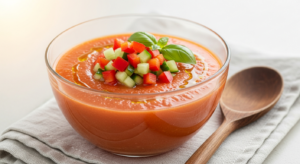





Beneath the blazing Spanish sun, where vibrant markets overflow with ripe tomatoes, crisp cucumbers, adn fiery peppers, a culinary masterpiece comes alive in a bowl: chilled gazpacho. This iconic cold tomato soup is more than just a refreshing antidote to summer heat-it’s a vivid tapestry of Spain’s rich agricultural heritage, bold flavors, and centuries-old traditions. In this article, we peel back the layers of chilled gazpacho, unveiling the secrets behind its bright, tangy taste and exploring how this humble dish continues to captivate palates around the world with its effortless elegance and soulful simplicity.
Origins and Cultural Importance of Gazpacho in Spanish Cuisine
Chilled gazpacho is much more than a refreshing tomato soup; it is a vibrant expression of Spanish heritage and the bountiful summer harvests of Andalusia. This beloved dish dates back to ancient times, rooted in Roman and Moorish influences, evolving over centuries into the recipe we cherish today.
Traditionally served during scorching Mediterranean summers, gazpacho embodies the Spanish ethos of simplicity, freshness, and communal dining. It was originally a humble peasant food-designed to reclaim leftover stale bread soaked in olive oil, vinegar, and garden vegetables-yet it has since transcended its rustic beginnings to become an iconic symbol of Spanish cuisine on tables worldwide. Each spoonful carries the sun-drenched essence of ripe tomatoes, tangy vinegar, and crisp cucumbers, telling a story of vibrant markets and lively neighborhood gatherings.
Key Ingredients That Bring Freshness and Flavor to every Bowl
At the heart of every perfect bowl of chilled gazpacho lies a well-balanced harmony of fresh, garden-picked ingredients. The cornerstone is certainly ripe, juicy tomatoes, bursting with natural sweetness and acidity. Complementing them are crunchy cucumbers, fragrant green bell peppers, and pungent garlic cloves, all gently blended to silky perfection. A touch of extra virgin olive oil delivers smoothness and depth, while sherry vinegar introduces a bright tang that elevates the soup’s complexity.
To round it out, a few hearty cubes of crusty bread enrich the texture, making each spoonful concurrently creamy and invigorating.Salt and freshly cracked black pepper tie the flavors cohesively without overpowering. The beauty of this medley is how each element shines individually but also merges seamlessly, showcasing the true spirit of Spanish freshness and vitality.
prep and Cook Time
- Preparation Time: 20 minutes
- Chilling Time: 2 hours minimum
- Total Time: Approximately 2 hours 20 minutes
Yield
Serves 4 generous portions
Difficulty Level
Easy – Perfect for beginner and seasoned home cooks alike
Ingredients
- 6 large ripe tomatoes, quartered
- 1 large cucumber, peeled and diced
- 1 green bell pepper, seeded and chopped
- 1 small red onion, peeled and chopped
- 2 garlic cloves, minced
- 3 cups crusty bread (day-old, crust removed)
- 1/4 cup extra virgin olive oil
- 3 tbsp sherry vinegar (or red wine vinegar)
- 2 cups cold water
- Salt, to taste
- Freshly ground black pepper, to taste
- Chopped fresh basil or parsley, for garnish
Step by Step Guide to Creating the Perfect Chilled Gazpacho
- Prepare the vegetables: Wash and roughly chop the tomatoes, cucumber, bell pepper, and onion. Mince the garlic cloves finely to avoid overpowering raw garlic flavor.
- soak the bread: Place the crust-removed bread in a bowl with 1 cup of cold water. Let it soak until softened, about 10 minutes. Then squeeze out excess water gently.
- Blend the base: in a high-speed blender or food processor, combine tomatoes, cucumber, bell pepper, onion, garlic, and soaked bread. Pulse in batches if needed to get a smooth yet slightly textured consistency.
- Add liquid ingredients: Slowly drizzle in the olive oil and sherry vinegar while blending on low speed. This emulsifies the soup and brings harmony to flavors.
- Adjust consistency: Add the remaining 1 cup of cold water gradually until you reach your preferred thickness-some like gazpacho thicker, others lighter and soupier.
- Season well: Add salt and freshly ground black pepper to taste.Blend again for a few seconds to mix. Taste and adjust acidity or salt as needed.
- Chill thoroughly: Transfer the gazpacho to a covered container and refrigerate for at least 2 hours, allowing flavors to meld and the soup to chill completely.
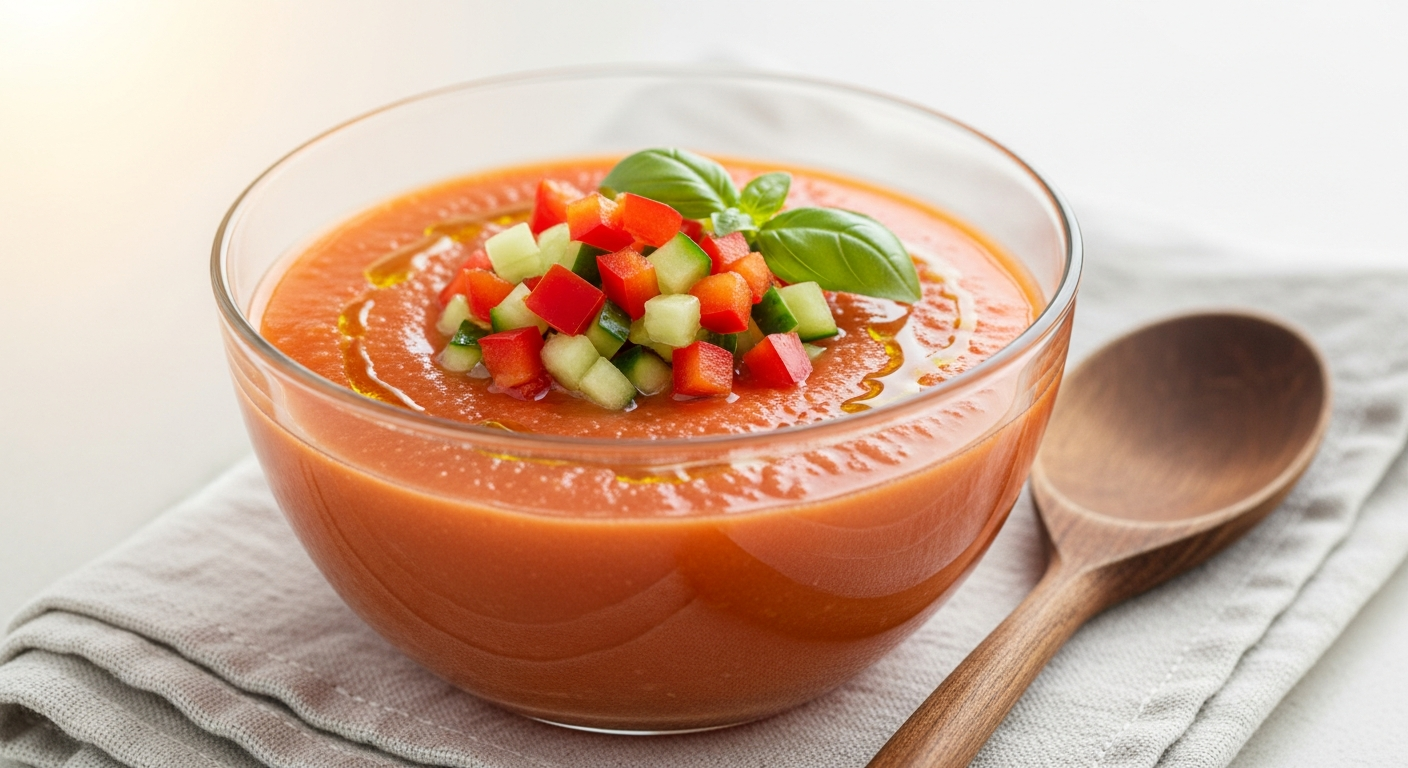
- Serve and garnish: Stir the gazpacho gently before ladling into bowls. Garnish with a drizzle of olive oil, chopped fresh herbs, and optional finely diced extra vegetables or toasted bread croutons for crunch.
Chef’s Notes: Tips for Success
- Tomatoes: use the freshest, ripest tomatoes possible for maximum flavor. If out of season, vine-ripened or cherry tomatoes are great substitutes.
- Bread texture: Use stale or day-old bread for ideal absorption, but avoid overly dried bread that disrupts creaminess.
- Experiment with vinegar: While sherry vinegar is traditional, apple cider or white balsamic vinegar can add fascinating twists.
- Consistency preferences: For a chunkier gazpacho, pulse less in the blender, reserving some chopped veggies to stir in after blending.
- Make ahead: Gazpacho’s flavors improve after sitting overnight,making it perfect for meal prep or entertaining.
- Garlic caution:</b’s raw garlic can be intense-mince finely and use sparingly, or soak minced garlic in vinegar briefly to mellow the bite.
Creative Twists and serving Suggestions to Elevate Your Gazpacho Experience
Refreshingly versatile, chilled gazpacho invites endless creativity at the table. For a colorful visual and flavor boost,serve it in individual glasses layered with diced avocado,roasted corn,or finely diced watermelon cubes-a delightful contrast of sweet and savory. A swirl of basil or cilantro pesto on top can add herbal brightness,while a spoonful of creamy Greek yogurt or cashew cream provides luscious richness without overpowering the freshness.
For a heartier option, garnish with a topping of toasted pumpkin seeds or slivered almonds for texture and subtle nuttiness. For an elegant twist, drizzle smoked paprika olive oil and sprinkle finely chopped piquillo peppers that echo the soup’s Spanish roots.
Pair your gazpacho with crusty rustic bread or a light green salad for a complete summer meal. It’s also a wonderful palate cleanser between courses or a cooling first course on a warm day.
| Nutrition (per serving) | Amount |
|---|---|
| Calories | 150 kcal |
| Protein | 3 g |
| Carbohydrates | 20 g |
| fat | 7 g (mostly healthy fats) |

For more exciting Spanish recipes and culinary history, check out our collection of classic Spanish dishes. To deepen your knowledge about authentic gazpacho, the Spanish Sabores website is a fantastic resource.
Q&A
Q&A: Chilled Gazpacho: Spain’s Vibrant Tomato Soup Unveiled
Q1: What is gazpacho, and why is it so beloved in Spain?
A1: Gazpacho is a refreshing, chilled tomato soup that hails from Andalusia, the sun-soaked southern region of Spain. it’s beloved for its vibrant color, bold flavors, and cooling qualities-making it a perfect antidote to the fierce Mediterranean heat. Gazpacho embodies the essence of Spanish summer in a bowl, combining simple, fresh ingredients into a harmonious and revitalizing dish.
Q2: What are the core ingredients that give traditional gazpacho its distinctive flavor?
A2: At the heart of gazpacho lies ripe, juicy tomatoes. Alongside these are crunchy cucumbers, sweet bell peppers, pungent garlic, sharp onion, good-quality olive oil, tangy vinegar, and a touch of salt. These ingredients blend together to create a bright, balanced soup that bursts with freshness and a hint of acidity.
Q3: How is gazpacho different from other tomato soup varieties?
A3: Unlike hot tomato soups, gazpacho is served cold-often straight from the refrigerator-offering a crisp, refreshing experience rather than warmth and comfort. It’s also less about blending smooth creaminess and more about preserving the vibrant character and texture of raw vegetables, frequently enough with a slightly chunky consistency that sings of garden freshness.
Q4: Can you customize gazpacho, or is it best served traditionally?
A4: While traditional gazpacho rules with its classic ingredients, it’s an incredibly versatile canvas. Some like to add fresh herbs like basil or parsley, a splash of lemon juice, or a bit of spice with smoked paprika or a hint of chili. Though you dress it up, the star always remains the fresh vegetables-keeping it bright and lively.
Q5: how do you properly serve gazpacho for the best experience?
A5: Gazpacho should be thoroughly chilled before serving, ideally several hours or overnight to allow flavors to meld. It’s commonly poured into bowls or glasses and garnished with finely diced veggies, a drizzle of olive oil, or even crunchy croutons for added texture. Its cold temperature and vivid flavors make it an inviting starter or a light meal on hot days.
Q6: What makes gazpacho a healthy choice?
A6: Gazpacho is packed with vitamins, antioxidants, and hydration from its fresh vegetables. It’s naturally low in calories and fats (when made traditionally), and the olive oil contributes healthy monounsaturated fats. This combination supports heart health, glowing skin, and overall wellness while satisfying your appetite with natural goodness.
Q7: Is it challenging to prepare gazpacho at home?
A7: Not at all! Gazpacho is surprisingly simple and quick to make. With a good blender or food processor and fresh, ripe ingredients, you can have a bowl of vibrant gazpacho whipped up in under 20 minutes. The key lies in quality produce and a little patience to let it chill and develop character.
Q8: Are there regional variations of gazpacho within Spain?
A8: Yes, Spain’s diverse regions offer delightful twists. As an example, Salmorejo, a thicker gazpacho variant from Córdoba, incorporates bread for creaminess, while some coastal recipes add local vegetables or even fruits like watermelon for a sweet undertone. Each variation highlights local flavors while preserving gazpacho’s refreshing soul.
Q9: Can gazpacho be enjoyed all year round, or is it strictly a summer dish?
A9: Gazpacho shines brightest in summer when tomatoes and other vegetables are at thier peak. However, thanks to the global availability of fresh produce, it can be enjoyed any time you crave a light, nutritious, and flavorful dish. It’s a delightful change of pace from the usual soups in cooler months, served chilled for a refreshing twist.
Q10: What is the cultural significance of gazpacho in Spanish life?
A10: Gazpacho is more than just a soup-it’s a culinary symbol of Spanish heritage and hospitality. It evokes the warmth of sharing meals outdoors, the rhythms of siesta and fiestas, and the deep connection to the land and its bounties. Eating gazpacho is a taste of Spain’s sun, soil, and century-old traditions, celebrated around family tables and festive gatherings alike.
The Way Forward
As the summer sun gently warms the streets of spain, chilled gazpacho stands as a vibrant testament to the country’s rich culinary spirit-a refreshing embrace of ripe tomatoes, crisp vegetables, and the subtle dance of herbs and olive oil. More than just a soup, it’s a colorful snapshot of tradition and innovation blended perfectly in a bowl. Whether sipped leisurely on a sun-dappled terrace or stirred into your own kitchen adventures, gazpacho invites you to taste the zest and vitality of Spain in every cool, crimson spoonful. So next time the heat rises, let this iconic tomato treasure remind you that sometimes, the simplest ingredients yield the most unforgettable flavors.