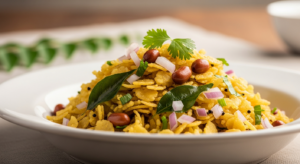



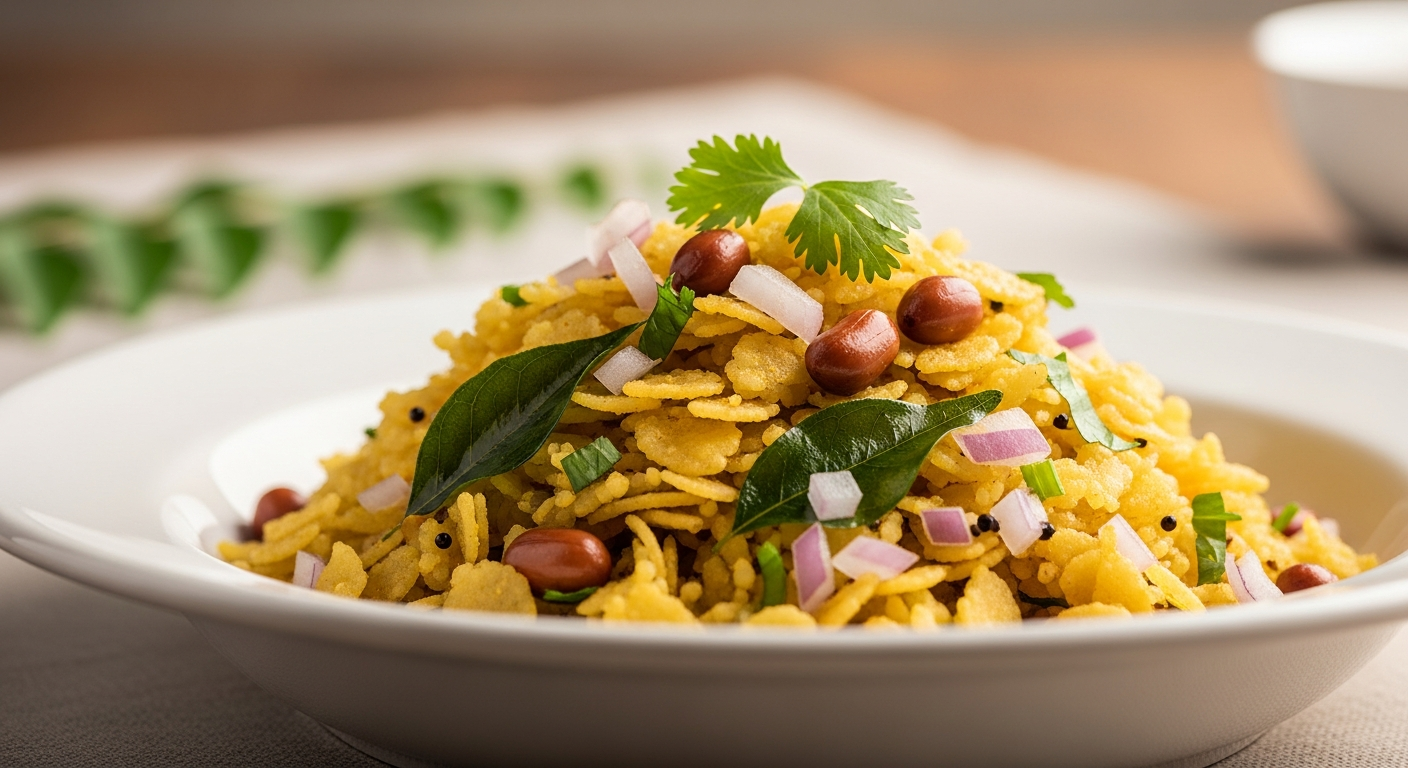
In the vibrant tapestry of Indian cuisine, few dishes carry the humble yet irresistible charm of poha. This beloved flattened rice delicacy, with its fluffy texture and subtle medley of spices, has secured a special place in the hearts-and breakfast tables-of millions across the subcontinent.But poha is more than just a simple meal; it is indeed a culinary journey that unfolds the rich cultural heritage, regional variations, and timeless traditions woven into every bite. Join us as we explore the story behind poha, its countless renditions, and the reasons why this unassuming dish continues to delight palates from the bustling streets of Mumbai to the quiet homes of Madhya pradesh.
Poha, with its delicate yet flavorful profile, stands as a beloved staple in Indian kitchens, celebrated across countless households for generations. Its simplicity and adaptability allow it to carry rich cultural stories,regional colors,and inventive culinary twists,making every bite a festivity of India’s vast gastronomic heritage.
prep and Cook Time
- Readiness: 10 minutes
- Cooking: 15 minutes
- Total: 25 minutes
Yield
Serves 4 as a hearty breakfast or light snack
Difficulty Level
easy – Perfect for beginners and seasoned cooks alike
Ingredients
- 2 cups thick flattened rice (poha), rinsed and drained
- 1 tablespoon oil (preferably mustard or vegetable oil)
- 1 teaspoon mustard seeds
- 1 teaspoon cumin seeds
- 1 green chili, finely chopped (adjust to taste)
- 10-12 curry leaves
- 1 medium onion, finely chopped
- 1 medium potato, peeled and diced (optional, regional twist)
- 1/2 cup green peas (fresh or frozen)
- 1/4 cup roasted peanuts
- 1/2 teaspoon turmeric powder
- Salt to taste
- Juice of 1/2 lemon
- Fresh coriander leaves, chopped for garnish
- 1/4 cup fresh grated coconut (optional, for garnish)
Instructions
- Prepare the poha: gently rinse the flattened rice in a colander under cold running water untill soft but not mushy. Let it drain completely to avoid sogginess. This step is crucial for the perfect texture.
- Temper the spices: Heat oil in a wide pan over medium heat. add mustard seeds and let them pop, followed by cumin seeds and curry leaves. Sauté for 30 seconds until fragrant.
- Sauté aromatics: Add chopped onions and green chili. Cook, stirring occasionally, until onions turn translucent and lightly golden, about 5 minutes.
- Add potatoes and peas: Stir in diced potatoes and peas. sprinkle a pinch of salt. Cover and cook for 7-8 minutes, stirring occasionally, until potatoes are tender but not mushy.
- Combine poha and peanuts: Lower the heat and add turmeric powder. Mix well. Gently fold in the drained poha and roasted peanuts, spreading evenly but carefully to keep the grains intact.
- Season and garnish: Sprinkle salt to taste and squeeze fresh lemon juice over the poha. Stir gently to combine. Remove from heat and garnish with fresh coriander leaves and grated coconut.
- Serve warm: Enjoy your poha instantly for the best flavor and texture. Leftovers can be refrigerated but may lose their delicate softness.
Tips for Success
- For a regional twist inspired by Maharashtra,add a dollop of sweet jaggery during the final stages to balance the tang.
- Adjust green chili quantity based on your preferred spice level.
- Thorough draining of poha after rinsing is essential; excess water creates a mushy texture.
- Use fresh curry leaves for their robust aroma-it transforms the dish.
- For a tangy variation common in Madhya Pradesh, replace lemon with raw mango pieces in season.
- To make ahead, keep poha mixture and garnishes separate; combine just before serving to retain freshness.
Serving Suggestions
Pair this vibrant flattened rice dish with a side of crisp kachumber salad to add refreshing crunch and freshness. A dollop of sweet tamarind chutney complements the savory notes beautifully. For an indulgent touch, serve with a bowl of hot chai or milky Assam tea. Garnishing with pomegranate seeds or finely chopped raw mangoes elevates the visual appeal and introduces unique flavor contrasts that modern palates admire.

| Nutrient | Per Serving |
|---|---|
| Calories | 220 kcal |
| Protein | 5 g |
| Carbohydrates | 38 g |
| Fat | 6 g |
Delve deeper into regional Indian breakfasts with our thorough guide on Indian cuisine traditions to understand the nuances that make each version of poha a unique experience.
Q&A
Poha Unfolded: Exploring India’s Beloved Flattened Rice Dish – Q&A
Q1: What exactly is poha, and where does it originate from?
A: Poha is a light, fluffy dish made from flattened rice flakes that have been carefully rinsed and sautéed with spices, vegetables, and sometimes nuts. It hails from the heart of India, with deep roots in states like Maharashtra, Madhya Pradesh, and Gujarat. Each region boasts its own unique twist, but the essence remains delightfully simple and nutritious.
Q2: How is flattened rice made?
A: Flattened rice, or poha, is crafted by parboiling rice grains and then rolling them into thin flakes before drying. This conventional technique preserves the rice’s nutrients and allows for swift cooking-perfect for a wholesome breakfast or snack that’s both delectable and efficient.
Q3: What makes poha such a popular breakfast choice across India?
A: Poha strikes the perfect balance between comfort and convenience. It’s light on the stomach yet filling, easy to prepare in under 20 minutes, and can be customized with fresh ingredients from your kitchen-think mustard seeds, green chilies, curry leaves, turmeric, and a squeeze of lemon. The gentle flavors awaken your senses, while the varied textures keep you coming back for more.
Q4: Are there regional variations of poha?
A: Absolutely! In Maharashtra, poha is often garnished with peanuts and fresh coriander, tempered with mustard seeds and curry leaves. In Madhya Pradesh, you might find it adorned with sev (crispy chickpea noodles) and pomegranate seeds for a sweet crunch. Gujarat’s version leans more towards a tangy and slightly sweet profile, often incorporating jaggery and lemon juice, creating a harmonious dance of flavors.
Q5: Can poha be made into a complete meal?
A: Definitely! Beyond its typical breakfast status,poha can be enriched with protein-packed additions like roasted chickpeas,diced paneer,or generously tossed-in vegetables such as peas,carrots,and potatoes. Paired with a side of fresh yogurt or a crisp salad, poha transforms into a balanced and satisfying meal any time of day.
Q6: Is poha suitable for people with special dietary needs?
A: Poha is naturally gluten-free and vegetarian, making it welcoming to many dietary preferences. Its low glycemic index helps maintain steady energy levels, and the dish can easily be adapted for vegan diets by ensuring no dairy-based toppings are used. It’s a genuinely inclusive dish that fuels both body and soul.
Q7: What role do aromatic spices play in making poha unforgettable?
A: Spices are poha’s soul-they infuse the bland flakes with life and character. Mustard seeds offer a nutty pop when tempered in hot oil, while turmeric imparts a warm golden hue and subtle earthiness. Curry leaves add a distinct fragrance, and green chilies bring a gentle heat, all weaving together to create a symphony of flavors that awaken your palate.
Q8: Can poha be enjoyed beyond the breakfast table?
A: Yes! Poha’s versatility shines through as it can be served as a light lunch, a tea-time snack, or even a quick dinner. It pairs beautifully with spicy chutneys or tangy pickles, offering endless possibilities for innovation while honoring its traditional charm.
Q9: How can one elevate a simple poha recipe at home?
A: Elevation comes from fresh ingredients and mindful technique. Use freshly roasted peanuts or cashews for crunch, add a handful of grated coconut for a tropical twist, or top it off with fresh herbs like mint or coriander. A dash of lemon juice just before serving brightens the dish, turning ordinary poha into an extraordinary taste experience.
Q10: What makes poha more than just a dish in Indian culture?
A: Poha represents more than nourishment-it’s a ritual of warmth and togetherness. In bustling markets, quiet homes, and festive gatherings alike, poha is a thread that connects generations. It carries the stories of heritage, memories of shared mornings, and the comforting promise of a simple meal made with love.
Through the humble flakes of flattened rice, poha invites us into a world of rich flavors, traditions, and joy-truly unfolding the beloved essence of India’s treasured dish.
Closing Remarks
As we close the chapter on “Poha Unfolded,” it becomes clear that this humble flattened rice dish is much more than just a breakfast staple-it is a vibrant tapestry woven from India’s diverse culinary traditions,regional flavors,and comforting simplicity. From the aromatic mustard seeds sizzling in hot oil to the subtle sweetness of fresh pomegranate jewels sprinkled atop, poha invites us not only to savor its taste but also to appreciate the cultural stories folded within each bite.
Whether enjoyed on bustling city streets or quiet village mornings, poha continues to be a beloved emblem of India’s rich gastronomic heritage-nourishing bodies and connecting hearts across generations. So next time you sit down with a plate of this golden, fluffy delight, remember that you’re partaking in a timeless ritual that celebrates both flavor and history, one spoonful at a time.