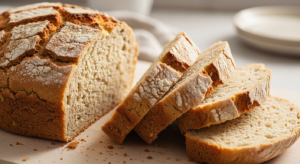




There’s something undeniably comforting about the aroma of freshly baked bread wafting through the kitchen-a timeless promise of warmth and home. but what if your classic loaf came with a nutty twist, a subtle richness that adds both depth and nutrition? Enter almond flour bread, a delightful reinvention of the traditional recipe that marries the wholesome goodness of almonds with the familiar texture of your favorite bread.
Whether you’re seeking a gluten-free choice, a low-carb option, or simply eager to experiment with new flavors, almond flour bread offers a versatile canvas for creative bakers and health-conscious eaters alike. In this article, we’ll explore how this grain-free, nutrient-packed ingredient transforms ordinary bread into something extraordinary, inviting you to savor every slice with a newfound recognition.
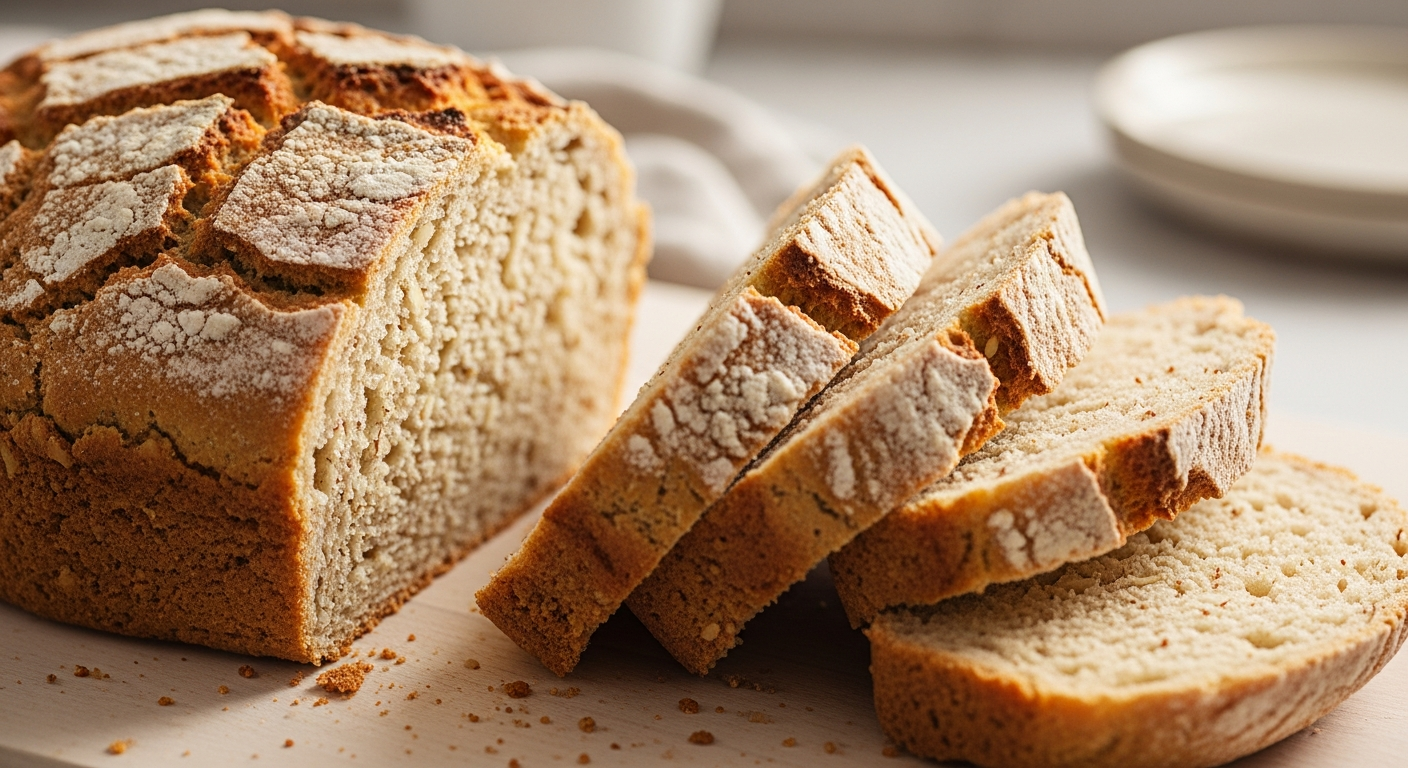
Almond flour bread offers an irresistible nutty twist that elevates any baking repertoire with distinctive flavor and texture.Unlike traditional wheat flours, almond flour introduces a moist, tender crumb combined with rich, buttery undertones that transform a simple loaf into a gourmet delight. Originating as a staple in gluten-free and paleo kitchens, it’s gained traction among bakers craving a grain-free alternative without sacrificing the sensory joy of fresh-baked bread.
Prep and Cook Time
prep: 15 minutes | Cook: 50 minutes | Total: 65 minutes
Yield
One 9×5-inch loaf (about 10 slices)
Difficulty Level
Medium – requires attention to texture and rising cues
Ingredients
- 2 ½ cups blanched almond flour (freshly ground for best texture)
- ¼ cup tapioca starch (for added chew and elasticity)
- 1 teaspoon baking soda
- ½ teaspoon sea salt
- 4 large eggs,room temperature
- 2 tablespoons honey or pure maple syrup (optional for slight sweetness)
- 1 tablespoon apple cider vinegar (helps improve rise and crumb)
- ¼ cup melted coconut oil or unsalted butter
- 1 teaspoon vanilla extract (optional,for extra aroma)
Instructions
- preheat your oven to 350°F (175°C). Line a 9×5-inch loaf pan with parchment paper, allowing edges to overhang for easy removal.
- In a large bowl, whisk together almond flour, tapioca starch, baking soda, and salt. These dry ingredients are the foundation of your loaf’s structure-mix well to ensure even rising.
- In a separate bowl, beat the eggs vigorously until slightly frothy. Add honey, apple cider vinegar, melted coconut oil, and vanilla extract. Stir until fully combined.
- Gently fold the wet ingredients into the dry mixture. Use a rubber spatula to ensure no pockets of flour remain, but avoid overmixing to maintain a tender crumb.
- Pour the batter into the prepared loaf pan, smoothing the top with the spatula for an even rise.
- bake in the preheated oven for 45-50 minutes, or until the top is golden brown and a toothpick inserted in the centre comes out clean. Keep an eye on the crust developing a lovely deep hue.
- Cool in the pan for 15 minutes, then transfer the loaf to a wire rack using the parchment overhang. The bread firms up as it cools, so slicing should be done after it has completely cooled to avoid crumbling.
Chef’s Notes: Tips for Success
- Perfecting the rise: Almond flour bread doesn’t behave like traditional wheat flour loaves; the acid in apple cider vinegar reacts with baking soda for lift rather than yeast. Ensure your eggs are at room temperature for maximum volume.
- Moisture balance: Almond flour can sometimes yield dense bread-incorporating tapioca starch enhances elasticity, creating a chewier texture reminiscent of classic breads.
- Storage: Keep slices in an airtight container or wrapped in beeswax wraps to maintain freshness. The loaf freezes beautifully; slice beforehand and toast or warm up as needed.
- Substitutions: For a dairy-free option, use coconut oil instead of butter; to reduce carbs, omit honey or syrup entirely.
Serving Suggestions
This almond flour bread shines as a versatile canvas. Toast slices lightly to unlock a deeper nutty aroma and top with creamy avocado, a sprinkle of flaky sea salt, and fresh microgreens for a stunning brunch option. For sweeter moments, smear with almond butter and a drizzle of local honey, garnished with thin apple slices. Its tender, moist crumb also makes perfect sandwich bread, pairing wonderfully with roasted vegetables or classic egg salad.
Creative Variations to Elevate Your Nutty Loaf
Experiment with adding toasted chopped pecans or walnuts into the batter for added crunch. Swap vanilla extract for aromatic spices like cinnamon or cardamom to infuse warmth. For a savory spin, fold in fresh herbs such as rosemary or thyme along with cracked black pepper, perfect for serving alongside hearty soups.

| Nutrient | Per Slice (1/10 loaf) |
|---|---|
| Calories | 180 kcal |
| Protein | 7 g |
| Carbohydrates | 6 g |
| Fat | 15 g |
For more creative gluten-free baking ideas, check out our guide on Gluten-Free Baking Basics. To learn about the nutritional benefits of almond flour, visit Healthline’s in-depth report.
Q&A
Q&A: Almond Flour bread – A Nutty Twist on Classic Loaf Recipes
Q1: What makes almond flour bread different from traditional wheat bread?
A1: Almond flour bread swaps out conventional wheat flour for finely ground almonds, bringing a naturally gluten-free and grain-free option to the table. This gives the bread a rich, moist texture and a subtly sweet, nutty flavor that sets it apart from the classic loaf.
Q2: Is almond flour bread suitable for people with gluten intolerance or celiac disease?
A2: Absolutely! Since almond flour is made from ground almonds and contains no gluten, almond flour bread is an excellent choice for those avoiding gluten due to intolerance or celiac disease.
Q3: How does the texture of almond flour bread compare to regular bread?
A3: Almond flour bread tends to be denser and moister than traditional bread because almond flour lacks the gluten that provides elasticity and airiness in wheat-based loaves. However,its tender crumb and rich taste make it deliciously satisfying.
Q4: Can almond flour bread be used for sandwiches or toast?
A4: Definitely! Its sturdy structure holds up well for sandwiches, and when toasted, almond flour bread develops a delightful crispness while maintaining its nutty aroma-a perfect platform for your favorite spreads or toppings.
Q5: Are there any special tips for baking with almond flour?
A5: Yes. Almond flour is heavier and more moisture-rich than regular flour, so recipes often include extra binders like eggs or baking soda to help the bread rise and hold its shape.Also, baking times may be shorter or slightly varied-keeping an eye on the loaf is key.
Q6: Can almond flour bread be sweetened or flavored in creative ways?
A6: Absolutely! Beyond the natural almond sweetness,you can enhance the loaf with ingredients like cinnamon,vanilla,orange zest,or even add-ins like chopped nuts and seeds. Savory twists with herbs or garlic also complement the nutty base beautifully.
Q7: How does almond flour bread fit into a low-carb or keto lifestyle?
A7: Almond flour is low in carbohydrates and high in healthy fats and protein, making almond flour bread a popular choice for low-carb and ketogenic diets. It provides satisfying nourishment without the carb spike of traditional wheat breads.
Q8: Can almond flour bread be frozen for later use?
A8: Yes, almond flour bread freezes well! Slice it first for convenience, then store it in an airtight container or freezer bag. When you’re ready, just toast or warm slices to enjoy fresh-baked flavor anytime.
Q9: Is almond flour bread more expensive to make than regular bread?
A9: Almond flour can be pricier than wheat flour, so almond flour bread might cost a little more to make. However, considering its unique taste, nutritional benefits, and dietary advantages, many find it worth the investment.
Q10: Where can I find good quality almond flour for baking?
A10: Look for finely ground blanched almond flour at health food stores, specialty baking shops, or online retailers. Ensure it’s fresh and stored properly to keep the flour from turning oily or rancid, which can affect the bread’s flavor.
With almond flour bread, classic comfort meets a nutty new character – perfect for those craving a wholesome, flavorful twist on a timeless staple!
Future Outlook
Whether you’re a seasoned baker or a curious kitchen adventurer, almond flour bread offers a delightful detour from the traditional loaf. Its rich, nutty flavor and tender crumb bring a unique texture that elevates everything from morning toast to gourmet sandwiches. Plus, with the added benefits of being gluten-free and packed with nutrients, it’s a savvy choice for those seeking both taste and wellness.So next time you reach for your baking gear, consider giving almond flour a whirl-your taste buds and your body might just thank you for this flavorful, wholesome twist on a classic favorite.