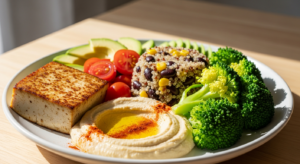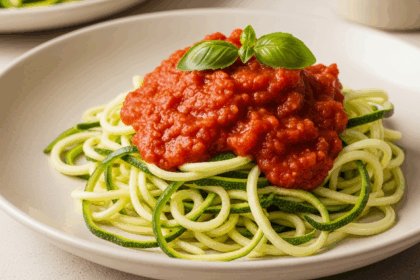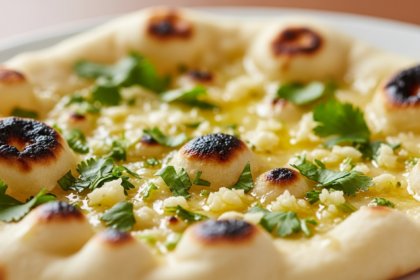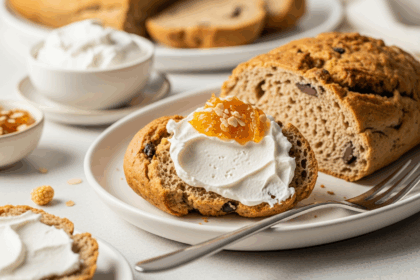


In a world where plant-based living is blossoming, the quest for meals that fuel the body without compromise has never been more exciting. Enter the realm of power-packed plates-high-protein vegetarian creations that do more than just satisfy hunger; they ignite energy, support strength, and celebrate flavor in every bite. Whether you’re a devoted herbivore,a curious flexitarian,or simply eager to diversify your diet,these innovative dishes shatter the myth that protein and plants can’t coexist deliciously. Join us as we explore a vibrant spectrum of creative vegetarian meals that pack a protein punch, proving that wholesome nutrition and bold taste are a winning duo on your plate.
Power-Packed Plates bring together the best of plant-based proteins through inventive flavor pairings and thoughtful cooking techniques. Rooted in a passion for elevating vegetarian meals beyond the ordinary, this approach emphasizes both nutrition and taste-turning legumes, grains, nuts, and seeds into vibrant dishes that fuel your body and excite your palate.Whether you’re seeking a hearty weeknight supper or an energizing lunch, these combinations showcase how complementary ingredients can create a complete protein profile without compromising flavor or texture.
Prep and Cook Time
- prep Time: 15 minutes
- Cook Time: 25 minutes
- Total Time: 40 minutes
Yield
Serves 4 hearty portions
Difficulty Level
Easy to medium – perfect for home cooks looking to explore plant-based proteins with confidence
Ingredients
- 1 cup cooked quinoa, fluffy and cooled
- 1 cup canned black beans, rinsed and drained
- 1 cup chopped kale, stems removed
- ½ cup diced red bell pepper for sweetness and color
- 2 tablespoons tahini, rich and nutty
- 1 tablespoon fresh lemon juice, for brightness
- 1 teaspoon smoked paprika, adding depth
- 2 cloves garlic, minced
- 1 small shallot, finely chopped
- 2 tablespoons extra virgin olive oil
- salt and fresh cracked black pepper, to taste
- ¼ cup toasted pumpkin seeds, for crunch
- Fresh cilantro or parsley, finely chopped, for garnish
Instructions
- Prepare the base: In a large skillet, heat 1 tablespoon of olive oil over medium heat. Add the shallot and garlic, sautéing until fragrant and translucent, about 2-3 minutes.
- Add the kale and bell pepper: Toss in the chopped kale and red pepper. Sauté until the kale softens but still retains some crunch, about 4-5 minutes. stir often to ensure even cooking.
- Incorporate proteins: Mix the cooked quinoa and black beans into the skillet. Stir gently to combine, allowing heat to warm the beans through without mashing them.
- Season the dish: Sprinkle in the smoked paprika, salt, and pepper. Add the lemon juice and remaining olive oil; stir to distribute the flavors evenly.
- Create the dressing: In a small bowl, whisk together the tahini with 1 tablespoon of warm water until creamy but pourable. Drizzle this over the skillet mixture and fold it in carefully.
- Final touches: Remove from heat, sprinkle toasted pumpkin seeds and fresh herbs over the top for texture and bright flavor notes.
- Serve warm or at room temperature: This dish delights as a filling main or alongside crisp greens or roasted root vegetables.
Tips for Success
- Boost protein further: Add roasted chickpeas or lightly toasted hemp seeds for an extra protein crunch.
- Texture matters: Keep kale slightly firm to provide a satisfying chew, balancing the softness of quinoa and beans.
- make ahead: Prepare this dish up to two days in advance and store refrigerated. The flavors meld beautifully overnight.
- Substitutions: swap quinoa for farro or buckwheat for variation in grains; white beans or lentils also work splendidly for protein diversity.
- Spice it up: Add a pinch of cayenne or a dash of chili flakes to infuse smoky heat.
Serving Suggestions
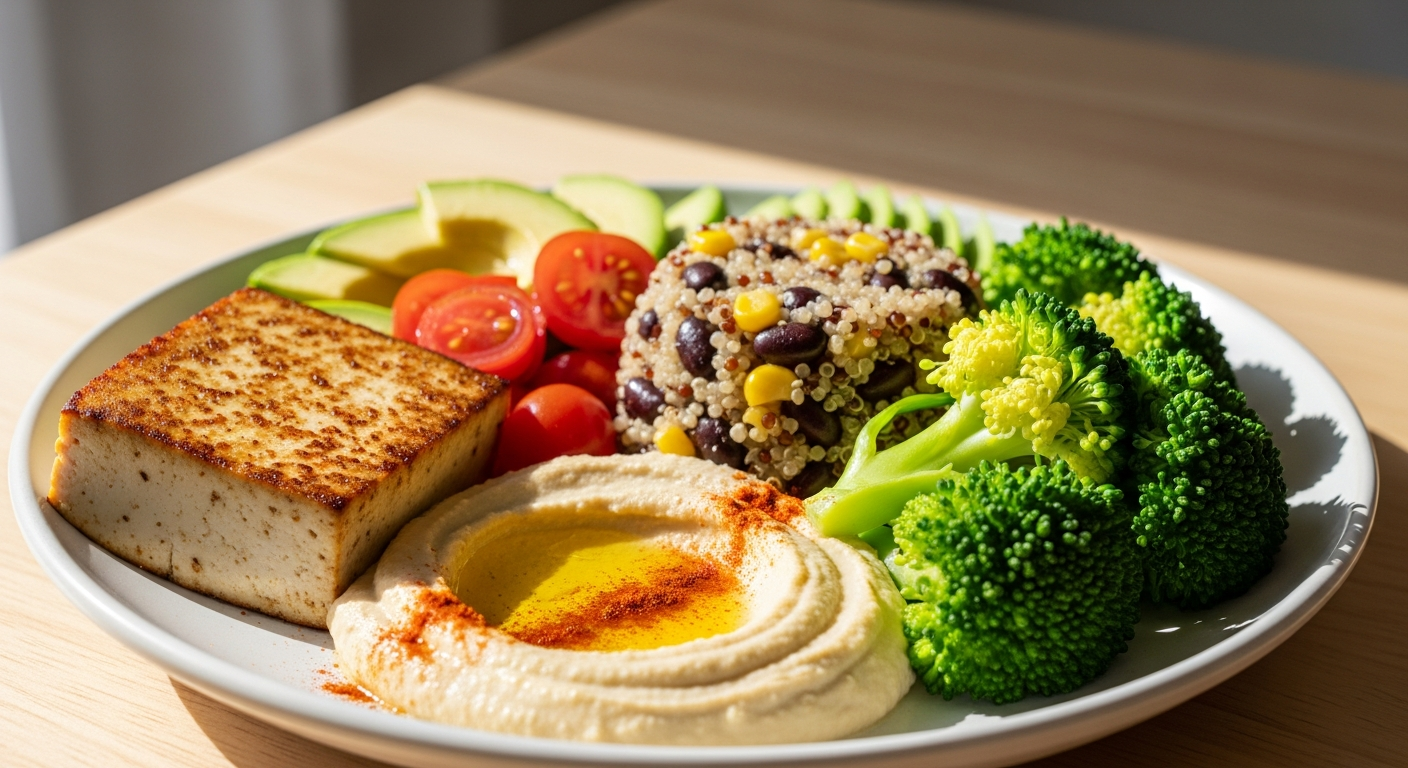
Present your power-packed vegetable and quinoa skillet garnished with a vibrant sprinkle of toasted pumpkin seeds and fresh cilantro to add bursts of flavor and a lovely visual contrast. Accompany with a wedge of lemon to brighten every bite and a side of warm, crusty bread for a satisfying finish. For an extra fresh element,serve with a simple cucumber and tomato salad dressed in lemon vinaigrette.

| Nutrient | Amount per Serving |
|---|---|
| Calories | 350 kcal |
| Protein | 18 g |
| Carbohydrates | 45 g |
| Fat | 9 g |
For more ideas on how to amplify plant-based proteins creatively, check out our article on Creative Legume combinations for Everyday Cooking.To learn about the science of complementary proteins, visit Healthline’s comprehensive guide.
Q&A
Q&A: Power-Packed Plates – Creative High-protein vegetarian Meals
Q1: Why should vegetarians focus on high-protein meals?
A1: Protein is the building block of muscles, enzymes, and hormones-essential for overall health and vitality. Vegetarians need to ensure they’re getting enough protein to maintain energy, support muscle repair, and keep immune function strong. High-protein meals help bridge the gap left by the absence of meat, keeping plates as nourishing as they are delicious.
Q2: What are some underrated vegetarian protein powerhouses?
A2: While beans and lentils get their fair share of spotlight, chickpeas, quinoa, tempeh, edamame, and seitan are unsung heroes in the vegetarian protein world. each offers a unique texture and a robust punch of protein,making them versatile stars in everything from curries to salads.
Q3: How can one make typical vegetarian meals more protein-rich without feeling repetitive?
A3: The magic lies in creativity! Combine grains like farro or brown rice with legumes and nuts to build layers of protein.incorporate plant-based dairy options like Greek yogurt or cottage cheese for creaminess plus protein. Don’t forget to experiment with herbs, spices, and bold sauces-they elevate flavors and keep meals exciting without sacrificing nutrition.
Q4: Are plant-based proteins as effective as animal proteins?
A4: While some plant-based proteins lack one or more essential amino acids found in animal products, smart meal combinations provide a complete amino acid profile. For instance, pairing rice with beans or hummus with whole-grain pita ensures your body gets all it needs to thrive, proving plants can hold their own powerfully on the protein front.
Q5: Can you share a simple, creative high-protein vegetarian dish idea?
A5: Absolutely! Try a “Mediterranean Power Bowl”-start with a quinoa base, top with roasted chickpeas, fresh cucumber, cherry tomatoes, olives, crumbled feta, and a drizzle of lemon-tahini dressing. Every bite bursts with texture and flavor while packing about 20 grams of protein per serving. It’s colorful, satisfying, and endlessly adaptable.
Q6: What tips can definitely help keep high-protein vegetarian meals exciting?
A6: Play with textures: crunch, creaminess, chewiness. Explore global cuisines-think Indian dals, Mexican bean salads, or Korean tofu stews-for fresh inspiration. And don’t shy away from plant-based “meats” like tempeh or seitan, which add hearty, satisfying protein that transforms simple dishes into show-stoppers.
Q7: how vital is protein timing during the day for vegetarians?
A7: Distributing protein intake evenly throughout the day supports muscle synthesis and stable energy levels. Aim to include a good protein source in every meal and snack-from a smoothie with nut butter in the morning to a lentil stew at dinner-to keep your body powered up around the clock.
Q8: is protein powder necessary for vegetarians seeking high-protein meals?
A8: Not necessarily. whole foods are ideal, as they bring additional vitamins, minerals, and fiber. However, plant-based protein powders like pea, hemp, or brown rice protein can be convenient boosters-especially post-workout or on busy days-helping reach protein goals without extra cooking.
Q9: What role do nuts and seeds play in a protein-packed vegetarian diet?
A9: Nuts and seeds are nutrient-dense bites of energy, brimming with protein, healthy fats, and micronutrients. Adding a sprinkle of chia seeds to yogurt or a handful of almonds to salads infuses meals with crunch and sustenance, enhancing both taste and nutritional value.
Q10: How can vegetarians ensure variety while staying protein-rich?
A10: Rotate your protein sources regularly-swap lentils for tofu, quinoa for barley, or pumpkin seeds for walnuts. Experiment with new recipes and cooking methods, from grilling veggie burgers to blending savory chickpea pancakes. this approach prevents mealtime monotony and keeps your plates bursting with flavor and power.
Wrapping Up
As the day winds down and your appetite calls for nourishment that fuels and delights, these power-packed plates stand ready to redefine what vegetarian eating can be. Infused with creative twists and bursting with protein goodness, each meal is more than just food-it’s a vibrant celebration of flavor and nutrition working in harmony. Whether you’re a dedicated vegetarian or simply exploring plant-based possibilities, embracing these high-protein creations will transform your plate into a powerhouse of energy and wellness. so go ahead, experiment boldly, savor deeply, and let your culinary journey be as dynamic and strong as the meals you craft.Here’s to eating well, feeling vibrant, and thriving-one creative bite at a time.