



Nestled within the vibrant tapestry of greek cuisine lies a creamy, velvety delight that has captivated palates for centuries-Taramasalata. This exquisitely smooth dip,crafted from fish roe,olive oil,lemon juice,and a touch of starchy bread or potatoes,is more than just an appetizer; it’s a savory journey into the heart of Mediterranean tradition. With its delicate balance of briny richness and citrus brightness, taramasalata offers a unique taste experience that is both exotic and comfortingly familiar.Join us as we delve into the origins, preparation, and cultural significance of this iconic Greek delicacy, uncovering the secrets behind its luscious texture and unforgettable flavor.
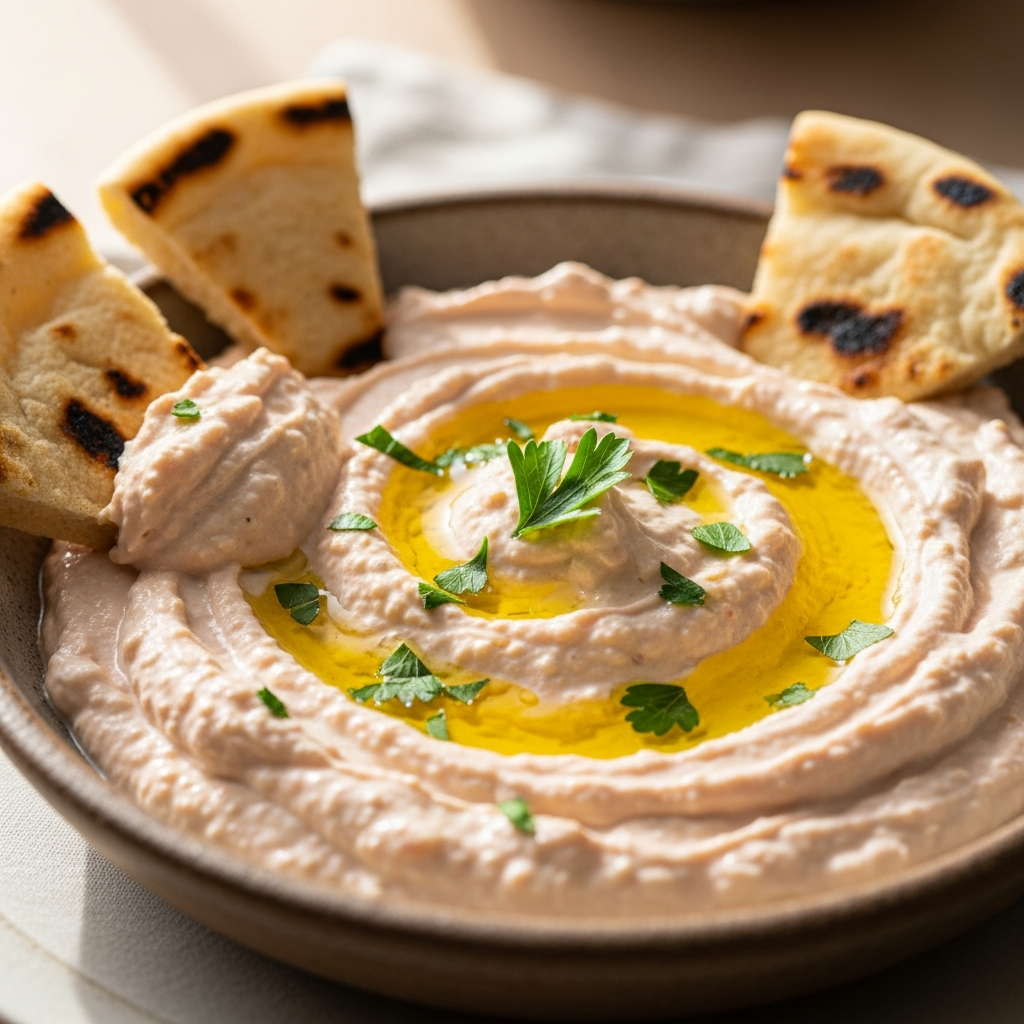
Taramasalata is a creamy Greek fish roe delight that embodies the essence of Mediterranean coastal tradition while elevating any meal with its silky texture and briny, citrusy brightness. This luxurious dip, originating from Greece and turkey, has long been cherished at family gatherings, festivals, and seaside tavernas. The name itself comes from tarama (fish roe) and salata (salad),combining simple ingredients into a velvety,savory indulgence that evokes sunlit shores and time-honored recipes. My first encounter with taramasalata was in a lively Greek taverna, where a bowl of its pastel pink scoop paired perfectly with warm pita and freshly chopped herbs, instantly inspiring me to master its nuanced balance of flavors and creamy texture in my kitchen.
Prep and Cook Time
- Preparation: 15 minutes
- Chilling Time: 30 minutes (recommended)
- Total Time: 45 minutes
Yield
serves 6 as an appetizer or meze
Difficulty Level
Easy to Medium – requires minimal cooking but some technique in emulsifying for the ideal texture
Ingredients
- 100g cured fish roe (traditionally salted carp or cod roe, well drained)
- 1 cup stale white bread crumbs (crusts removed, soaked briefly in cold water)
- 1/2 cup extra-virgin olive oil
- 2 tbsp freshly squeezed lemon juice (adjust to taste)
- 1 small garlic clove (optional, finely minced)
- 1 small red onion (finely grated or minced)
- Freshly ground black pepper to taste
- Cold water (as needed for consistency)
Instructions
- Prepare the bread: Place the stale bread crumbs in a bowl and soak with cold water until softened, about 5 minutes. squeeze out the excess water thoroughly-this step ensures the taramasalata will be creamy without becoming soggy.
- Process the roe: In a food processor, combine the cured fish roe, soaked bread, lemon juice, and garlic (if using). pulse just until the mixture starts to come together.
- Emulsify with oil: With the processor running on low,slowly drizzle in olive oil in a steady stream. This gradual addition is crucial for developing a luscious,smooth emulsion. stop when the mixture is creamy and thick.
- Incorporate onion and seasoning: Transfer the mixture to a bowl and fold in the finely minced red onion and freshly ground black pepper.Adjust lemon juice or add a splash of cold water to achieve your preferred consistency-classic taramasalata is silky but not runny.
- Chill and meld flavors: Cover and refrigerate the dip for at least 30 minutes to allow the flavors to integrate fully and the texture to firm up slightly.
- Final taste and adjustments: Before serving, give the taramasalata a gentle stir and adjust seasoning with additional lemon juice or pepper if needed.
Tips for Success
- Select authentic cured roe: For the signature flavor, opt for high-quality salted carp or cod roe from reputable specialty markets or online vendors, ensuring freshness and a subtle briny nuance.
- Control texture carefully: The secret lies in the bread-to-olive oil ratio and emulsification speed. Add olive oil slowly to prevent separation and ensure a whipped, airy texture.
- Garlic is optional: While not traditional in all recipes, a hint of garlic can add complexity-adjust based on your personal preference.
- make ahead: Taramasalata improves after resting in the fridge overnight, making it an excellent make-ahead dip for entertaining.
- Substitutions: If fish roe is unavailable, experiment with finely mashed smoked eggplant or beetroot for a vegan twist, although it deviates from authentic flavor.
- Storage: Store in an airtight container in the refrigerator, consuming within 3 days to maintain optimal freshness and flavor.
Serving Suggestions
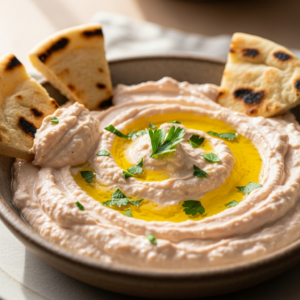
present taramasalata beautifully scooped into a rustic ceramic bowl, garnished with a drizzle of extra virgin olive oil, fresh dill sprigs, and a sprinkle of finely chopped chives or parsley. It pairs exquisitely with warm pita bread, crisp cucumber slices, and a medley of olives for a traditional Greek mezze spread.
For a modern twist, serve taramasalata atop grilled vegetables, spread on toasted crusty bread as a luxurious snack, or alongside chilled seafood dishes like grilled calamari or shrimp.
The creamy texture and shining lemon notes also make it an ideal complement to roasted potatoes or crisp vegetable crudités, inviting guests to savor the rich heritage of this elegant fish roe spread.

| Nutrient | Per Serving (approx.) |
|---|---|
| Calories | 180 kcal |
| Protein | 4 g |
| Carbohydrates | 8 g |
| Fat | 15 g |
Pairing Taramasalata with Traditional and Modern Dishes
The versatility of taramasalata allows it to transcend classic Greek cuisine. Traditionally, it shines as part of a mezze platter alongside hummus, tzatziki, dolmades, and fresh vegetables.
Modern chefs embrace its creamy tang – spread it on toasted sourdough with smoked salmon or use it as a condiment for grilled chicken skewers or light fish dishes. Its vibrant tang and smooth mouthfeel create stunning contrasts with crunchy, sweet, or smoky elements, inspiring creative pairings suitable for both casual lunches and elegant dinners.
Essential Tips for Selecting and Storing Quality Fish Roe
When choosing fish roe for taramasalata, look for tightly sealed, vacuum-packed portions labeled as salted carp or cod roe from trusted fishmongers or gourmet shops. Freshness is paramount-avoid packages with off-odors or discoloration.
Store fish roe in the coldest part of your refrigerator and use it within a few days of opening. For longer storage, frozen fish roe retains flavor well but thaw slowly in the fridge. Proper handling ensures your taramasalata maintains authentic taste and creamy texture, pivotal to this Greek culinary treasure.
For more insights on Mediterranean dips, explore our thorough guide to Greek meze dips.
Learn more about the cultural history of Mediterranean fish roe dishes at Encyclopaedia Britannica.
Q&A
Q: What exactly is taramasalata?
A: Taramasalata is a traditional Greek dip celebrated for its silky texture and savory flavor. Made primarily from cured fish roe-typically from carp or cod-blended with olive oil,lemon juice,and bread or potatoes,it offers a luscious,creamy spread that tantalizes the palate with hints of the sea.
Q: Where does taramasalata originate from?
A: This delicacy traces its roots to ancient greece and Turkey, where preserving fish roe was an art form born out of necessity. Over centuries,taramasalata evolved into a beloved mezze,especially popular in coastal regions where fresh fish roe was abundant.
Q: What makes taramasalata unique compared to other dips?
A: Unlike most dips, taramasalata’s distinctiveness lies in its key ingredient: salted fish roe. This gives it a delicate brininess paired with a smooth, velvety texture. The combination of tangy lemon and silky olive oil transforms the salty roe into a harmonious, rich spread that feels both indulgent and refreshing.
Q: How is traditional taramasalata made?
A: Traditionally, fish roe is soaked to reduce saltiness, then whipped with soaked bread or mashed potatoes, olive oil, lemon juice, and sometimes a splash of vinegar. The process involves gradually incorporating olive oil while vigorously mixing to achieve a creamy, mousse-like consistency.
Q: Can taramasalata be made with different types of fish roe?
A: Absolutely! While carp and cod roe are most common, variations using mullet or even herring roe exist, each imparting subtle flavor nuances. The choice of roe influences the colour and intensity of the dip-from pale pink hues to deeper shades-without compromising that unmistakable savory character.
Q: How is taramasalata traditionally enjoyed?
A: In Greek culture, taramasalata is often served as part of a mezze platter alongside fresh vegetables, grilled fish, or simply spread on warm pita bread. Its creamy texture makes it an ideal partner for crunchy breads or as a zesty accent to a variety of Mediterranean dishes.
Q: Are there vegetarian versions of taramasalata?
A: While classic taramasalata relies on fish roe, creative cooks who seek a similar texture and flavor might turn to plant-based alternatives inspired by the dip’s creamy, tangy profile. However, these variants don’t replicate the distinctive oceanic taste that defines genuine taramasalata.
Q: what occasions feature taramasalata in Greek tradition?
A: Taramasalata shines especially during Lent and festive periods, offering a flavorful mainstay when meat is traditionally avoided. It’s also a staple on festive tables during family gatherings, embodying the warmth of Greek hospitality and culinary heritage.
Q: How does the use of olive oil affect taramasalata’s flavor and texture?
A: Olive oil is the magic ingredient that turns grainy roe mixtures into luxuriously smooth spreads. It balances the saltiness with fruity richness and elevates the dip’s texture to a velvety indulgence, making every bite a sensual experience.
Q: Can taramasalata be stored, and if so, how long does it last?
A: Yes, taramasalata keeps well refrigerated in an airtight container for up to one week. As it rests, the flavors deepen, so enjoying it after a day or two can reveal even more complexity. Just be sure to stir gently before serving to maintain its creamy consistency.
The Way Forward
As we wrap up our flavorful voyage into the world of taramasalata, it’s clear that this creamy Greek fish roe delight is more than just a dip-it’s a culinary tradition that carries the whispers of the Aegean Sea and the heart of mediterranean hospitality. Whether enjoyed as a zesty meze at a lively tavern or recreated in your own kitchen with love and care,taramasalata invites us to savor the rich textures and briny nuances that make Greek cuisine so uniquely captivating. So next time you’re craving something both simple and sublime, reach for taramasalata, and let this velvety, flavorful spread transport your taste buds on a journey through sun-dappled shores and ancient flavors.