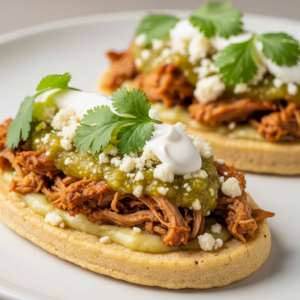

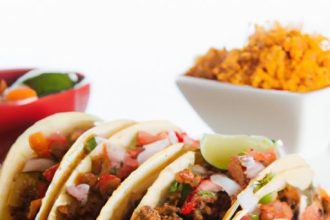

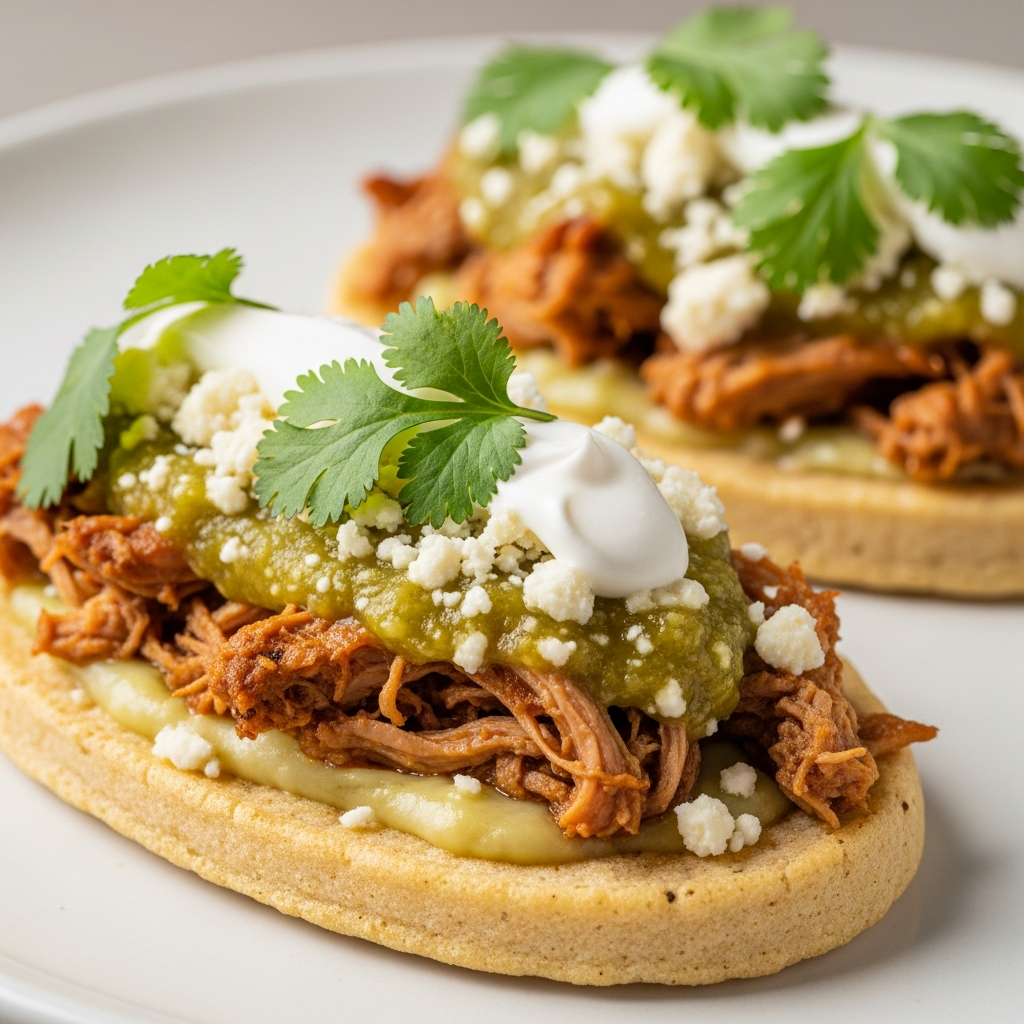
Few dishes capture the vibrant soul of Mexican street food quite like huaraches.These long, oval-shaped masa cakes, nestled between the worlds of history and flavor, are more than just a meal-they’re a cultural celebration on a plate. Sprinkled with beans,cheese,salsa,and an array of fresh toppings,huaraches offer a sensory journey that tells the story of Mexico’s rich culinary heritage. in this article, we’ll explore the origins, ingredients, and irresistible appeal of huaraches, inviting you to savor every bite of this colorful and flavorful street food treasure.
Exploring the Unique ingredients That Make Huaraches Irresistible
Huaraches are more than just a appetizing Mexican street food-they are a culinary canvas that brings together vibrant, fresh ingredients and robust flavors. Rooted deeply in Mexico City’s bustling markets and street corners, the layers of flavor in huaraches come from a perfect harmony of texture-rich masa, savory beans, and colorful toppings that ignite the senses.
At the heart of every huarache lies a thick,oval-shaped masa base,traditionally made from freshly ground nixtamalized corn,which delivers an irresistibly chewy and slightly charred flavor. Unlike a typical tortilla, the masa for huaraches is shaped by hand and grilled, creating a satisfying crunch on the outside that contrasts with its tender interior. This base acts as the perfect platform to showcase the vibrant toppings.
Classic fillings and toppings revolve around hearty ingredients such as refried black or pinto beans, homemade queso fresco, and zesty salsa verde or roja. Fresh vegetables like grilled nopales (cactus pads), crisp lettuce, and ripe avocado slices add refreshing bursts of color and flavor. The interplay of smoky char,creamy beans,and tangy salsas makes every bite a joyful explosion of textures and tastes.
Prep and Cook Time
- Preparation: 25 minutes
- Cooking: 20 minutes
- Total: 45 minutes
Yield
- Serves 4 (about 2 huaraches per person)
Difficulty Level
- Medium – requires some experience working with masa and grilling
Ingredients
- 2 cups fresh masa harina (corn flour for tortillas)
- 1 ½ cups warm water
- 1 tsp salt
- 1 cup refried black beans (homemade or canned, drained)
- 1 cup queso fresco, crumbled
- 1 medium ripe avocado, sliced
- 1 cup shredded lettuce (preferably crisp iceberg or romaine)
- ½ cup grilled nopales (cactus pads), diced
- ½ medium white onion, finely chopped
- ½ cup salsa verde or roja, as preferred
- 2 tbsp vegetable oil (for grilling)
- Fresh cilantro leaves (for garnish)
- Lime wedges, to serve
Instructions
- Prepare the masa dough: In a large bowl, combine the masa harina, salt, and warm water. Knead until the dough is smooth and elastic, about 3-5 minutes. If the dough feels too dry, add water a tablespoon at a time; if too sticky, sprinkle in a bit more masa harina.
- Shape the huaraches: Divide the dough into 8 equal balls. On a clean flat surface, press each ball gently into an oval shape about ¼-inch thick and 5-6 inches long. Use your fingers or a tortilla press lined with plastic to maintain the oval form.
- Grill the masa bases: Heat a cast-iron skillet or grill pan over medium-high heat and brush with oil. Place huaraches on the pan, grilling each side for 3-4 minutes until golden with light char marks. The masa should be cooked through but remain tender inside.
- Spread the beans: Gently spread about 2 tablespoons of warm refried beans over the top of each grilled huarache, leaving edges clear for a visually appealing finish.
- Build the toppings: Layer shredded lettuce, grilled nopales, chopped onion, avocado slices, and crumbled queso fresco over the beans. Drizzle generously with salsa of your choice.
- Garnish and serve: Add fresh cilantro leaves and a squeeze of lime. Serve promptly while warm to enjoy the combination of smoky, creamy, and crisp flavors.
Tips for Success
- Fresh Masa: Using fresh masa harina yields the best results in texture and flavor. If unavailable, look for quality brands labeled for tortilla making.
- Grilling Choice: If you don’t have a cast-iron skillet, a well-oiled non-stick pan works well. Just be sure to maintain medium heat to avoid burning.
- Bean Variations: For extra protein and heartiness, try swapping refried black beans with refried pinto beans or even a layer of mashed sweet potatoes for a vegan twist.
- Make-Ahead: You can prepare the masa dough and beans a day in advance.Store dough wrapped in plastic wrap and beans refrigerated. Reheat before assembling.
- Salsa Freshness: The salsa brings brightness to huaraches – balance its spice with fresh pico de gallo or a dollop of crema (Mexican sour cream) for added creaminess.
Serving suggestions
Huaraches shine brightest when served as part of a lively street food spread. Pair yours with tangy pickled jalapeños or a fresh Mexican salad like Mexican Elote Corn Salad to complement the complex flavors.
Present huaraches on rustic wooden boards or colorful customary plates to elevate the visual impact. Garnishing with extra lime wedges and freshly chopped cilantro adds elegance and invites a burst of fresh citrus for each bite.
| Nutritional Data (per serving) | Amount |
|---|---|
| Calories | 320 kcal |
| Protein | 12 g |
| Carbohydrates | 42 g |
| Fat | 8 g |

For those eager to experience huaraches firsthand, iconic street vendors in Mexico City’s Mercado de Coyoacán and La Merced areas offer the most authentic bites bursting with tradition and innovation alike. To dive deeper into Mexican street food culture, check out this National Geographic feature on Mexico’s street food stars.
Q&A
Q&A: Huaraches – A Flavorful Journey into Mexican Street Food
Q1: What exactly are huaraches in the context of Mexican cuisine?
A1: Huaraches are a beloved street food from Mexico, named after the sandal-shaped masa base that forms their foundation. Made from fresh masa dough, these thick, oval corn tortillas get grilled or fried until they’re warm, slightly crispy on the outside, and soft inside – perfect for layering with a symphony of toppings.
Q2: How did huaraches earn their name?
A2: The name “huarache” comes from the open-toe Mexican sandal because the base’s shape resembles it. This playful comparison captures both the simplicity and the rustic charm of this dish that’s long been a street food staple.
Q3: What makes huaraches different from other masa-based dishes like sopes or tlacoyos?
A3: While sopes and tlacoyos are also masa-based, huaraches stand out due to their larger, elongated shape and thinner size. Huaraches provide a more spacious canvas for a greater variety of toppings,creating a layered experience of texture and flavor.
Q4: What ingredients are traditionally used to top huaraches?
A4: classic toppings include refried beans or whole black beans, fresh shredded lettuce or cabbage, crumbled cheese such as queso fresco, tangy salsa, creamy guacamole, and spiced meats like grilled chicken or beef.Bright notes come from diced onions, cilantro, and a squeeze of lime. All combined,these toppings make each bite vibrant and satisfying.
Q5: Can huaraches be enjoyed by vegetarians or those looking for lighter options?
A5: Absolutely! Huaraches are wonderfully versatile. Many street vendors offer vegetarian versions topped with grilled nopales (cactus paddles),sautéed mushrooms,or hearty beans. Fresh vegetables and flavorful salsas add layers of taste without the need for meat.
Q6: Where can one find authentic huaraches outside of Mexico?
A6: Mexican communities everywhere have brought huaraches to life in taquerias and street food markets. Cities with vibrant Mexican culinary scenes – think Los Angeles, Chicago, or Houston – frequently enough feature huaraches among their beloved street food offerings. Food festivals celebrating Mexican culture also provide a great chance to try them.
Q7: What makes eating huaraches such a unique culinary experience?
A7: It’s the perfect marriage of texture and flavor, with the masa base offering that homemade, earthy corn goodness, paired with fresh and often spicy toppings. Every bite is a joyous blend of tradition, local ingredients, and the bustling energy of Mexican street food culture.
Q8: Can huaraches be made at home?
A8: Yes! with some masa harina, a hot griddle or skillet, and your favorite toppings, you can recreate this street food classic at home. Experiment with different combinations of beans, cheeses, vegetables, and grilled proteins to craft your ideal huarache experience.
Q9: Are huaraches eaten at specific times or occasions?
A9: Huaraches are enjoyed anytime – from a quick street food snack to a hearty dinner. They’re especially popular at festivals, markets, and gatherings where flavorful, accessible food feeds the community spirit.
Q10: why are huaraches an important part of Mexican food culture?
A10: Beyond their deliciousness, huaraches embody the resourcefulness and creativity of Mexican street food. They highlight corn as a staple ingredient and celebrate the communal joy of sharing fresh, flavorful, handmade meals. Huaraches tell a story of place, tradition, and vibrant street life with every bite.
In Summary
From humble stalls to bustling markets, huaraches tell a story far richer than their vibrant toppings. Each bite invites you into a tapestry of Mexican street food culture-where tradition meets innovation, and every flavor sings a fragment of history. Whether you savor them as a quick snack or a full meal, huaraches offer more than just nourishment; they serve a flavorful journey through the heart of Mexico’s culinary soul. So next time you crave something bold and authentic, remember: a huarache isn’t just food-it’s an experience waiting to be discovered.