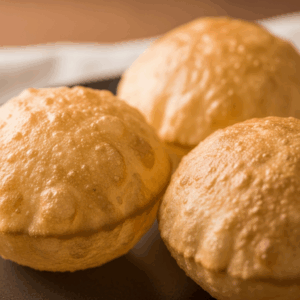




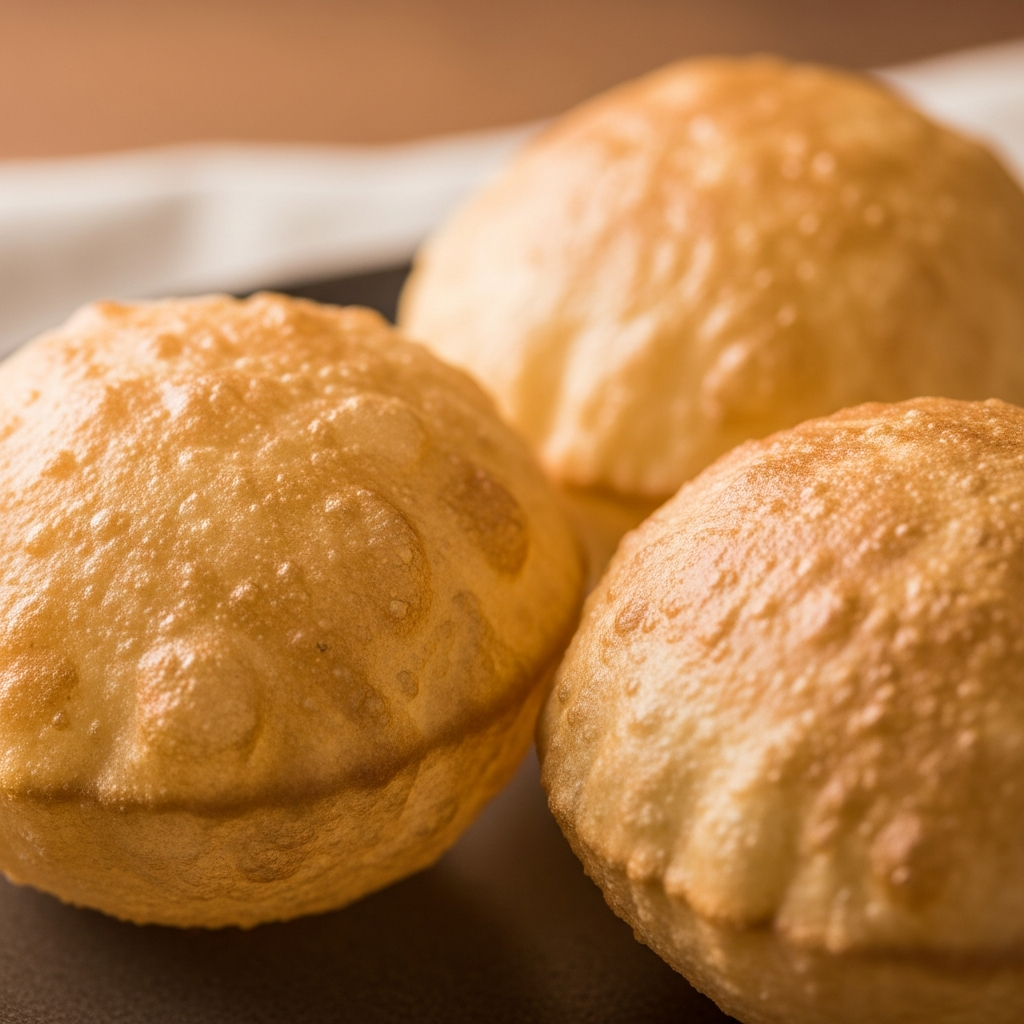
There’s a magical allure to biting into a perfectly puffed, golden bhature-its crispy exterior giving way to a soft, airy cloud of fried bread that seems to melt on your tongue. But what transforms simple dough into this iconic Indian delicacy that complements spicy chickpea curry so seamlessly? In “bhature Unveiled: The Secret to Perfectly Fluffy Fried Bread,” we embark on a culinary journey to decode the art and science behind making bhature that rise triumphantly and delight every palate. From ingredient nuances to kneading techniques and frying finesse, discover the essential tips and time-honored secrets that elevate bhature from humble dough to a masterpiece of texture and flavor.
Bhature Unveiled: The Secret to Perfectly Fluffy Fried Bread begins with understanding the delicate interplay of science and technique that transforms simple dough into irresistibly light, airy, and golden fried bread. Originating from the northern Indian subcontinent, bhature has long been celebrated for its pillowy texture and subtle tang, making it a beloved pairing with spicy chickpea curry. Whether enjoyed at roadside stalls or festive family breakfasts, the magic behind every bite lies in selecting the right ingredients, mastering fermentation, and precise frying methods.
Prep and Cook Time
- Preparation Time: 30 minutes
- fermentation Time: 6-8 hours (or overnight)
- Cooking time: 15 minutes
Yield
Approximately 8 medium-sized bhature (serves 4)
Difficulty Level
Medium – requires patience during dough fermentation but achievable with precision
Ingredients
- 2 cups all-purpose flour, sifted
- ½ cup semolina (sooji), finely ground
- 1 tsp active dry yeast
- 1 tsp sugar
- ½ cup warm water (approximately 100°F / 38°C)
- ¼ cup plain yogurt (room temperature)
- 1 tsp salt
- 2 tbsp vegetable oil or ghee (plus extra for frying)
- Oil for deep frying (preferably peanut or sunflower oil)
Instructions
- Activate the yeast: In a small bowl, combine warm water, sugar, and active dry yeast. Stir gently and let it sit for 10 minutes until frothy and bubbling-this signals the yeast is alive and ready.
- Mix dry ingredients: In a large mixing bowl, blend the sifted all-purpose flour, semolina, and salt evenly.
- Create the dough base: Make a well in the flour mixture and add the yogurt, activated yeast mixture, and 2 tablespoons of oil. Begin mixing with your fingers or a spoon until dough starts to come together.
- Knead the dough: Transfer the dough onto a clean surface and knead vigorously for 8-10 minutes,aiming for a smooth,elastic texture. If the dough feels sticky,dust lightly with flour but avoid over-flouring to keep the breads tender.
- Ferment the dough: Lightly grease a bowl with oil, place the dough inside, and cover with a damp cloth or plastic wrap. Allow it to ferment in a warm spot for 6-8 hours or until the dough doubles in size, developing mild tangy notes and air pockets.
- Divide and rest: Once fermented, gently punch the dough down to release excess air. Divide into 8 equal balls. Cover and let rest for 20 minutes to relax the gluten for easier rolling.
- Roll the bhature: using a rolling pin, shape each ball into a smooth, round disc approximately 6-7 inches in diameter. Keep the thickness even to ensure uniform puffing during frying.
- Heat the oil: In a deep frying pan or kadhai, heat oil over medium-high heat. Test the temperature by dropping a small piece of dough-if it rises quickly and bubbles, the oil is ready.
- Fry with care: Gently slide one bhatura into the hot oil. Press lightly with a slotted spoon to encourage puffing. Fry until golden brown and puffed on both sides, about 30-45 seconds per side. Avoid overcrowding the pan.
- Drain and serve: Remove bhature and place on paper towels to absorb excess oil. Repeat with remaining discs, maintaining consistent oil temperature for perfect crispness.
Tips for Success: Mastering Fluffy Bhature Unveiled
- Yeast activation: Ensure the water is warm but not hot (ideal 100°F / 38°C) to prevent killing the yeast.
- Fermentation space: A slightly warm kitchen corner helps yeast flourish; in cooler climates, use an oven with just the light on as a proofing chamber.
- Dough texture: Aim for soft, pliable dough-not too stiff or sticky; this balance invites air bubbles essential for fluffiness.
- Uniform rolling: even thickness allows the steam to expand evenly – avoid thick centers which remain doughy or thin edges that burn.
- Oil temperature control: Consistent medium-high heat ensures the bhature puffs and crisps without absorbing excessive oil.
- Allow proper resting: Both fermentation and resting after dividing enhance gluten relaxation, resulting in smooth rolls that bloom beautifully in hot oil.
- Variations: For a subtle twist, add a pinch of ajwain (carom seeds) or nigella seeds in the dough for added aroma.
Serving Suggestions
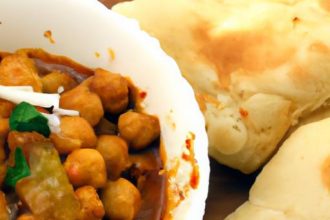
Bhature pairs beautifully with the rich, spicy chickpea curry known as “chole.” for a sumptuous presentation,serve warm bhature stacked neatly beside a vibrant bowl of chole garnished with freshly chopped cilantro and thinly sliced red onions. Add a side of tangy mango pickle and cool cucumber raita to balance the flavors.
Finish the plate with a sprinkle of chat masala on the hot bhature to elevate the taste and an optional wedge of lemon on the side to bring a zesty brightness. For visual appeal, dust the serving plate lightly with garam masala or freshly chopped mint leaves.

Nutrition per bhature (approximate)
| Calories | Protein | Carbs | Fat |
|---|---|---|---|
| 220 kcal | 5 g | 32 g | 8 g |
For a deeper dive into traditional Indian breads and their influence on global cuisine, check out our Indian Flatbreads Explained. Interested in the science of yeast fermentation and bread-making? Visit King Arthur Baking’s yeast guide for expert insights.
Q&A
Q&A: Bhature Unveiled: The Secret to Perfectly Fluffy fried Bread
Q1: What exactly is bhature, and where does it originate?
A1: Bhature is a soft, fluffy, deep-fried bread hailing from the Indian subcontinent, most famously paired with chole (spiced chickpea curry). Its golden puffed-up form is a beloved staple, especially in Punjabi cuisine, serving as the perfect vessel for rich, hearty flavors.
Q2: Why does bhature puff up when fried?
A2: The magic happens due to the air trapped in the dough combined with the high heat of the oil. When the dough hits the hot oil, the moisture inside instantly turns to steam, inflating the dough like a balloon. The gluten network formed during kneading acts as a stretchy skin, allowing the bread to puff without tearing.
Q3: What’s the secret ingredient that makes bhature so fluffy?
A3: Yogurt plays a starring role! It not only tenderizes the dough but also contributes to its softness by activating the yeast or baking powder. The acidity helps break down proteins, which leads to a lighter texture. Some recipes incorporate a pinch of sugar or baking soda to boost fermentation and give bhature that irresistible rise.
Q4: Is kneading the dough important?
A4: Absolutely! Proper kneading develops gluten strands, providing elasticity and strength in the dough to trap steam during frying. Over-kneading can make it tough, and under-kneading results in dense, flat bhature. Aim for a smooth, pliable dough that springs back when pressed.
Q5: Can the flour type affect the final texture?
A5: Yes, using all-purpose flour (maida) is traditional as of its moderate protein content, which balances softness and elasticity. Some variations blend in a bit of semolina or whole wheat flour for texture and flavor, but too much can reduce fluffiness.
Q6: How hot should the oil be for frying bhature?
A6: Maintaining oil temperature around 350°F (175°C) is crucial. If it’s too cool, the bread absorbs excess oil and becomes greasy; too hot, and it browns on the outside before puffing. The right heat ensures swift puffing and crispness.
Q7: Are there tips to store or reheat bhature without losing fluffiness?
A7: Bhature is best enjoyed fresh but can be kept warm wrapped in a cloth for short periods. For reheating, lightly warming on a hot griddle or tawa helps revive softness. Avoid microwaving, which may make it chewy or soggy.
Q8: Can bhature be made vegan-friendly?
A8: Yes! Replace yogurt with plant-based alternatives like coconut or almond yogurt, or even a mix of water and lemon juice as an acidifier. Keep the other ingredients simple-flour, salt, and a raising agent-and you’ll still achieve that fluffy, fried delight.
Q9: What common mistakes should be avoided while making bhature?
A9: Watch out for dough that’s too dry or too sticky; aim for a soft but manageable consistency. Skipping the resting period means less fermentation and less puff. Also, frying in oil that’s the wrong temperature will either yield greasy or tough bread.
Q10: Any creative variations to try with bhature?
A10: Certainly! Adding finely chopped fresh herbs like cilantro or mint, a pinch of carom seeds (ajwain), or a touch of garlic paste can elevate the flavor. Stuffed bhature-filled with spiced potatoes or paneer-is another delicious twist to explore.
With science and tradition working hand-in-hand, mastering bhature is like unlocking a golden ticket to authentic Indian comfort food-one perfectly fluffy puff at a time!
To Wrap It Up
As the layers of dough rise and bubble, revealing the secret to that irresistibly airy texture, bhature transforms from simple fried bread into a culinary marvel. Mastering the art of perfectly fluffy bhature is more than just a recipe-it’s a journey into the heart of traditional flavors and time-honored techniques. With this newfound knowledge, you’re now equipped to bring that golden, pillowy delight right to your own kitchen, turning everyday meals into celebrations of texture and taste. So go ahead, embrace the sizzle, and let your bhature puff up to perfection-because every bite tells a story of crispy, cloud-like magic waiting to be savored.