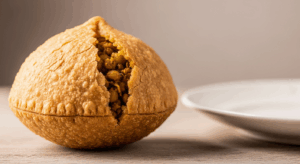



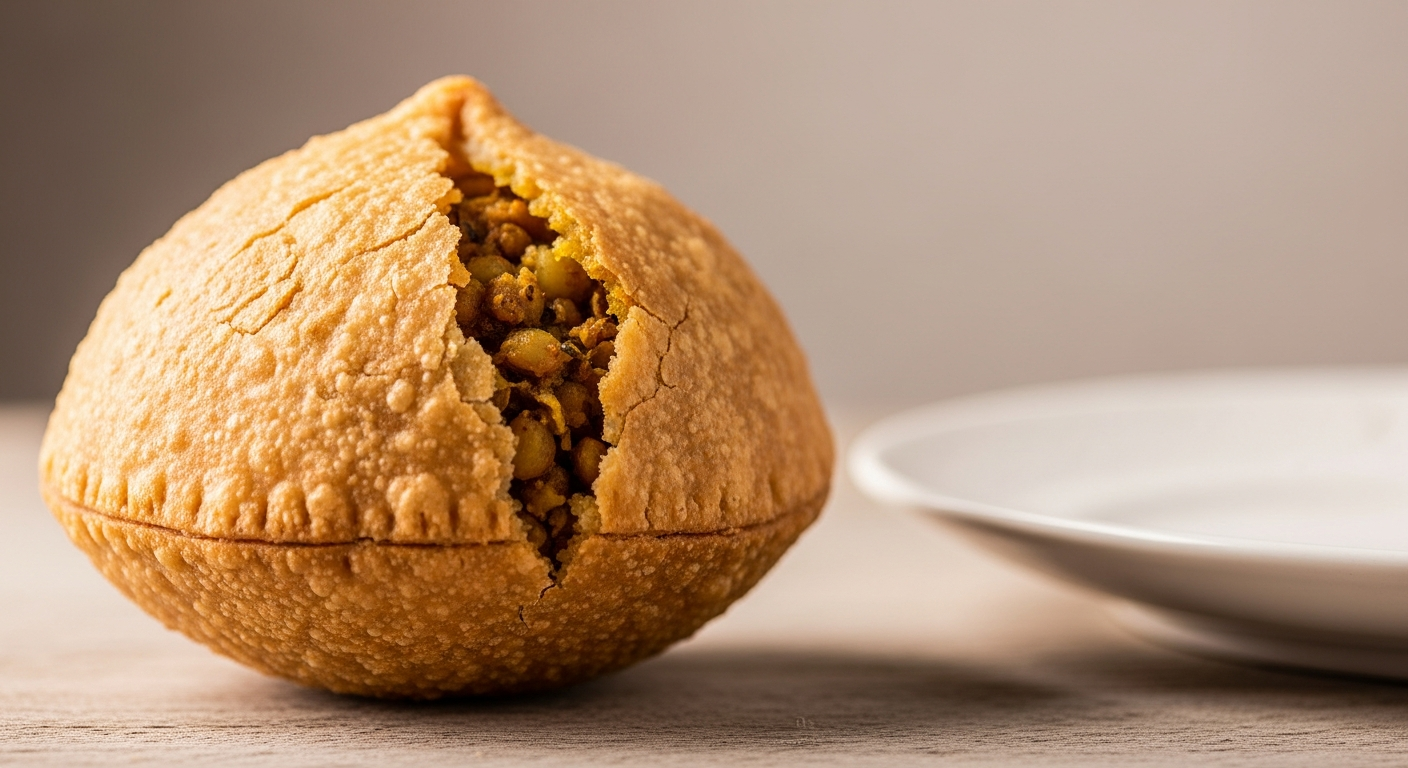
Crisp, golden, and bursting with flavors, kachori is more than just a snack-it’s a culinary masterpiece that has delighted taste buds for centuries. This beloved stuffed pastry, with its flaky shell and savory fillings, weaves together stories of ancient markets, regional traditions, and the artistry of street food vendors.
In “Kachori Unveiled: The crispy Delight of Stuffed Pastry,” we embark on a flavorful journey to uncover the origins, varieties, and cultural importance of this iconic treat, revealing why kachori continues to hold a special place in hearts and on plates across the Indian subcontinent and beyond.Whether you’re a seasoned foodie or a curious newcomer, prepare to dive into the irresistible world of kachori-a snack that’s as rich in history as it is indeed in taste.
Kachori, a crispy delight of stuffed pastry, has long held a cherished spot across the vast tapestry of Indian cuisine. This irresistible snack, with its golden, flaky shell and flavorful fillings, tells a story of regional innovation and culinary tradition. Originating centuries ago as a humble street food in places like Rajasthan and Uttar Pradesh, kachori has evolved remarkably, showcasing a diverse array of fillings-from spicy lentils and tangy peas to fragrant urad dal and fragrant masalas-each telling its own tale of local tastes and cultural influences. whether enjoyed piping hot as a breakfast treat or during festive gatherings, the charm of kachori lies in its perfect balance of textures and bold flavors.
Prep and cook Time
- Readiness: 25 minutes
- Resting Dough: 30 minutes
- Cooking: 20 minutes
- Total Time: 1 hour 15 minutes
Yield
Approximately 12 medium-sized kachoris (serves 4-6)
Difficulty Level
Medium – requires some skill in dough handling and frying techniques
Ingredients
- For the Dough:
- 1 ¾ cups all-purpose flour, sifted
- 3 tbsp fine semolina (sooji)
- 4 tbsp oil or ghee
- ½ tsp salt
- ¾ cup water (adjust as needed)
- For the Filling:
- 1 cup moong dal (split yellow gram), soaked for 2 hours and drained
- 2 tbsp oil
- 1 tsp cumin seeds
- 1 tbsp fennel seeds
- 1 tsp coriander powder
- 1 tsp red chili powder (adjust to taste)
- ½ tsp amchur (dry mango powder)
- ½ tsp garam masala
- Salt, to taste
- 1 tbsp ginger-green chili paste
- 1 tsp asafoetida (hing)
- 2 tbsp fresh coriander leaves, finely chopped
- For Frying:
- Vegetable oil, enough for deep frying
Instructions
- Prepare the Dough: In a large bowl, combine all-purpose flour, semolina, salt, and oil/ghee.Rub the oil into the flour mixture using your fingertips until it resembles coarse crumbs. Slowly add water, little by little, to form a firm yet pliable dough. Cover with a damp cloth and let it rest for 30 minutes to relax the gluten.
- Make the filling: Heat 2 tbsp oil in a pan over medium heat. Add cumin and fennel seeds and sauté until they splutter and release aroma. Add asafoetida and ginger-green chili paste and sauté for 30 seconds.
- Add the drained moong dal and dry roast for 3 minutes, stirring continuously to prevent sticking.
- Add coriander powder, red chili powder, amchur, garam masala, and salt. Mix well and cook until the dal turns golden and fragrant, about 5-7 minutes, stirring frequently. The dal should be dry but cooked through. Turn off heat and stir in fresh coriander leaves. Let the filling cool completely.
- Divide the Dough and Filling: Divide the dough into 12 equal portions and roll each into small balls. Do the same for the filling, making slightly smaller balls than the dough.
- Stuff the Kachoris: Flatten a dough ball into a small disc with fingers or a rolling pin. Place one filling ball in the center, then gently bring the edges together to seal the filling inside. Carefully flatten and shape into a round disk without letting the filling spill out.
- Fry the Kachoris: Heat oil in a deep frying pan over medium heat. To test readiness, drop a small piece of dough-it should sizzle and rise instantly. Fry the stuffed kachoris in batches, gently pressing them with a slotted spoon so they puff up evenly. Fry until golden brown and crisp on all sides, about 4-5 minutes. Drain on paper towels.
- Serve hot with your choice of chutneys and beverages.
tips for Success
- Use freshly ground spices for the filling to maximize aroma and flavor.
- Ensure the oil temperature is medium-hot-too hot and the kachoris will brown outside but remain raw inside.
- Resting the dough is crucial for pliability and achieving a flaky crust.
- Experiment with variations: try fillings with spiced peas, urad dal, or even sweet lentils for regional twists.
- Leftover kachoris can be reheated in a hot oven or air fryer to regain crispiness.
- Press the kachori gently during frying to help it puff and become airy.
Serving Suggestions
Present these golden kachoris piping hot, accompanied by a vibrant array of chutneys such as mint-coriander chutney, tangy tamarind chutney, or spicy garlic chutney. A side of cool yogurt or boondi raita adds refreshing contrast. Garnish with fresh coriander leaves and a sprinkle of chaat masala for an enticing aroma.To elevate the experience,pair with a chilled glass of classic masala chai or sweet lassi, which complement the crunchy texture and spice beautifully.
Exploring Popular Kachori Fillings and Flavor Combinations
diversifying fillings allows you to discover the breadth of kachori’s versatility. Rajasthan’s famous pyaaz kachori bursts with spiced onion sweetness, while Kolkata’s chaat-styled kachoris incorporate tangy peas and zesty tamarind chutneys. Punjab loves the hearty urad dal filling, deepened with cumin and ginger for warmth. For an exciting fusion, try adding roasted peanuts or fresh pomegranate seeds inside for a contrasting pop of texture and freshness.
| Nutrient | Per Serving (2 Kachoris) |
|---|---|
| Calories | 310 kcal |
| protein | 9 g |
| Total Carbohydrates | 38 g |
| Fat | 12 g |

For more exquisite Indian snacks and traditional recipes, check out our detailed guide on Indian snack recipes. To deepen your understanding of spice profiles and regional cooking techniques, visit this Food Network spice essentials guide.
Q&A
Q&A: Kachori Unveiled – The Crispy Delight of Stuffed Pastry
Q1: What exactly is a kachori?
A1: Kachori is a beloved Indian snack that features a deep-fried, flaky pastry shell stuffed with a flavorful filling. Traditionally round and golden-brown, the pastry’s crisp exterior gives way to a savory surprise inside-typically spiced lentils, peas, or mixed vegetables.It’s a perfect harmony of texture and taste, cherished across many regions of India.
Q2: Where did kachori originate, and how has it evolved?
A2: Kachori’s roots trace back to the ancient kitchens of Rajasthan and gujarat, where it was a festive delicacy. Over centuries, it traveled through India’s culinary landscape, inspiring countless regional variations.Today, you’ll find everything from the classic dal-stuffed kachori of Jaipur to the tangy onion-filled versions of Delhi, each reflecting local tastes and traditions.
Q3: What ingredients typically go into a kachori filling?
A3: The fillings vary widely, but common staples include yellow moong dal (split mung beans), urad dal (black gram), green peas, potatoes, and a bouquet of spices like cumin, asafoetida, coriander, and chili powder. The magic lies in balancing these spices to create a filling that’s aromatic, spicy, and hearty.
Q4: How do you achieve the perfect crispy texture in a kachori?
A4: The secret to the ideal kachori crust is in the dough and frying technique. Dough made from refined wheat flour (maida) is rolled thin and sealed carefully around the filling. Frying in hot oil at the right temperature allows the pastry to puff slightly and turn evenly golden, ensuring a crispy outer shell without absorbing excessive oil.
Q5: Are kachoris always savory?
A5: While savory kachoris are the most popular, there are sweet variations too, especially in some parts of India. These might be filled with khoya (milk solids) and dry fruits or flavored with sugar and cardamom, offering a delightful contrast to their savory cousins.
Q6: How is kachori typically served?
A6: Kachori is frequently enough enjoyed hot and fresh, accompanied by tangy tamarind chutney, spicy green chutney, or even curd. In some regions, like Uttar Pradesh, kachori is part of a breakfast tradition, served alongside aloo sabzi (spiced potato curry) for a complete and hearty meal.
Q7: Can kachori be made gluten-free or vegan?
A7: Absolutely! While traditional kachori uses wheat flour, gluten-free alternatives like chickpea flour (besan) or a mix of rice and millet flours can be experimented with for the dough. Most kachori fillings are naturally vegan, using legumes, vegetables, and spices, making kachori a versatile treat adaptable to diffrent dietary preferences.
Q8: What makes kachori a timeless snack in Indian culture?
A8: kachori’s enduring charm lies in its perfect marriage of simplicity and flavor. It’s a snack that brings people together-whether at bustling street stalls, festive celebrations, or cozy home kitchens. Its crispy shell and flavorful filling are a sensory delight, evoking warmth and nostalgia with every bite.
By uncovering the layers of history, ingredients, and culinary artistry behind kachori, this crispy delight reveals why it continues to capture hearts and taste buds across generations.
In summary
As we conclude our flavorful journey into the world of kachori, this crispy, stuffed pastry stands revealed not just as a snack, but as a cultural emblem wrapped in golden layers of history and taste. Whether savored piping hot at bustling street corners or carefully crafted in home kitchens, kachori continues to captivate palates with its perfect balance of crunch and spiced fillings. Beyond its irresistible texture lies a story of tradition, regional variations, and culinary artistry-making every bite a flavorful connection to India’s vibrant heritage.So next time you hold a kachori in your hand, remember you’re not just tasting a treat, but experiencing a timeless delight that has crusted its way into the hearts of food lovers everywhere.