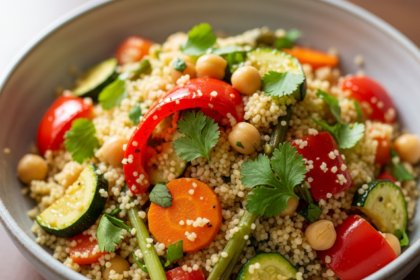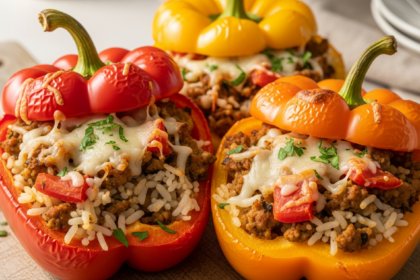


In a world where plant-based lifestyles are blossoming, the quest for high-protein vegan meals is more vibrant than ever. Gone are the days when vegan plates were seen as light and lacking in muscular might. Today, power-packed plant plates are redefining what it means to fuel your body with compassion and strength.
From hearty legumes to protein-rich grains and innovative meatless marvels, these meals don’t just satisfy hunger-they build energy, support recovery, and ignite vitality. Join us as we peel back the layers of plant protein, exploring the delicious, nutrient-dense options that make vegan dining both powerful and pleasurable. whether you’re a seasoned herbivore or a curious newcomer, get ready to rethink protein, plant-style.
Unlocking the Nutritional Power of Legumes and Grains with Power-Packed Plant plates
Power-Packed Plant Plates are an essential cornhttps://spoonfulmagic.com/erstone for anyone embracing a vibrant vegan lifestyle, offering a delicious pathway to harnessing the full nutritional potential of legumes and grains. from creamy chickpeas to hearty quinoa, these ingredients pack a concentrated punch of protein, fiber, and vital micronutrients. My passion for crafting balanced vegan plates began while exploring Mediterranean cuisines, where colorful plates brim with lentils, farro, and bulgur – all harmonizing flavors and maximizing nutrient absorption. This approach not only energizes your meals but transforms plant-based eating into a feast of textures, aromas, and rich, savory notes you’d never expect from vegan cuisine alone.
Prep and Cook Time
- Preparation Time: 15 minutes
- Cooking Time: 30 minutes
- Total Time: 45 minutes
Yield
Serves 4 hearty portions
difficulty Level
Medium – perfect for home cooks eager to elevate plant-based nutrition without fuss.
Ingredients
- 1 cup dry green lentils, rinsed and drained
- 3/4 cup quinoa, rinsed thoroughly
- 1 tbsp extra virgin olive oil
- 1 medium red onion, finely chopped
- 3 cloves garlic, minced
- 1 cup diced bell pepper (red or yellow for color)
- 1 cup chopped kale, stems removed
- 1/2 cup sun-dried tomatoes, chopped
- 1 tsp smoked paprika
- 1/2 tsp ground cumin
- Salt and black pepper to taste
- Juice of 1 lemon
- Fresh parsley, chopped (for garnish)
- Optional: 1/4 cup toasted pumpkin seeds for crunch
Instructions
- Cook Lentils and Quinoa: In separate pots, simmer the rinsed lentils with 2 cups of water and the quinoa with 1 ½ cups water. Lentils take about 20 minutes, quinoa about 15, both until tender but firm. Drain any excess water and set aside.
- Sauté Aromatics: Heat olive oil in a large skillet over medium heat. Add the chopped onion and sauté until translucent, about 4 minutes. Stir in minced garlic and diced bell peppers; cook another 3 minutes until fragrant and softened.
- Build the Bowl: Add kale, sun-dried tomatoes, smoked paprika, and cumin to the skillet.Cook until kale wilts gently, about 5 minutes, stirring regularly.
- Combine Proteins and Veggies: Mix the cooked lentils and quinoa into the skillet, stirring well to incorporate and warm everything together for 3 minutes. Season with salt, black pepper, and fresh lemon juice to brighten flavors.
- Final Touch: Remove from heat,garnish with chopped parsley and toasted pumpkin seeds if using.Serve warm or at room temperature for a satisfying, balanced plant-protein bowl.
Tips for Success
- To enhance protein absorption, pair legumes with grains like quinoa, which complements essential amino acids to form a complete protein.
- If short on time, prepare lentils or quinoa in bulk and refrigerate; they reheat beautifully for rapid meals throughout the week.
- For a creamier texture, stir in a dollop of tahini or your favorite nut butter once the bowl is assembled.
- Swap kale for spinach or Swiss chard according to seasonal availability or preference without compromising nutrient density.
- Be mindful of soaking time if using other legumes to reduce cooking time and improve digestibility.
Serving Suggestions
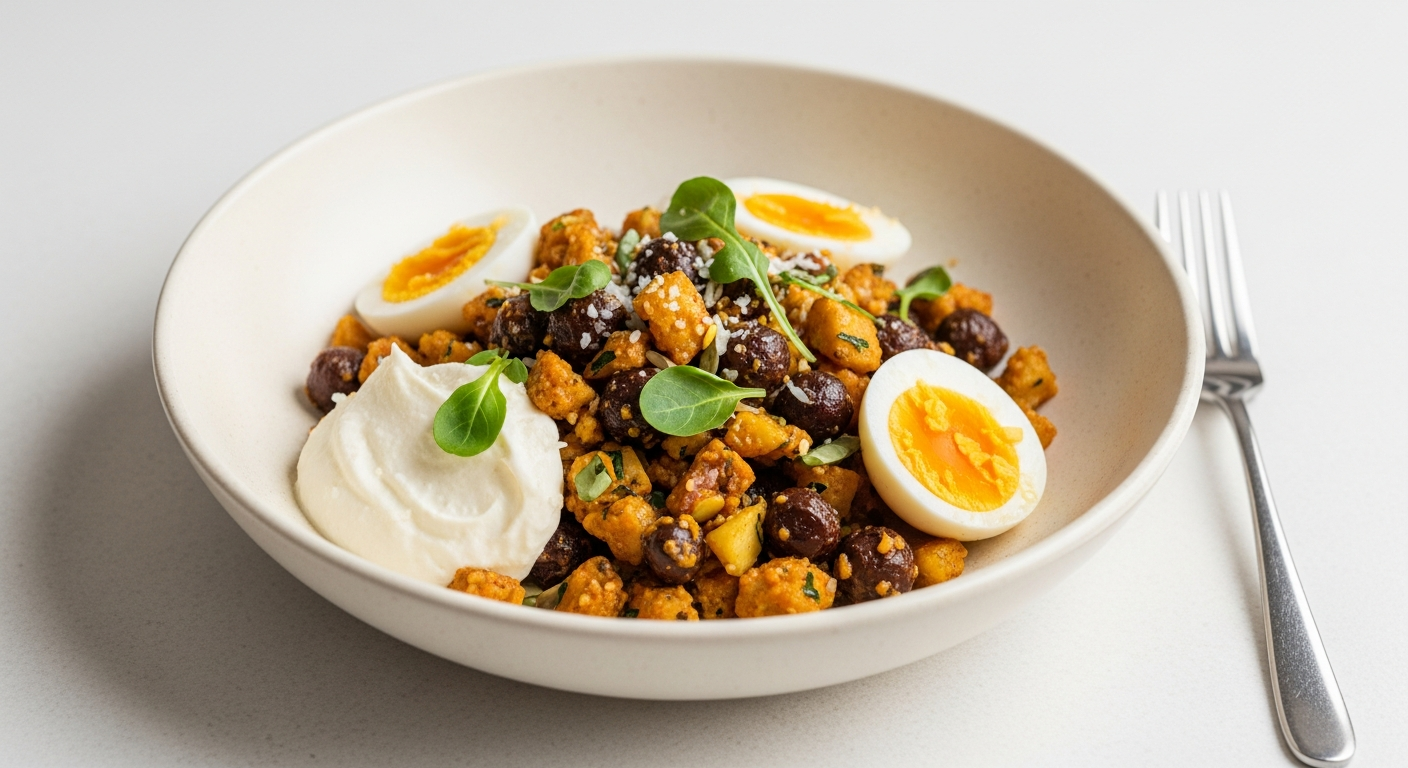
Serve these Power-Packed Plant Plates with a crisp side salad dressed in a zesty lemon-tahini dressing to amplify the meal’s freshness. Garnish with edible flowers or microgreens to elevate visual appeal for an Instagram-worthy presentation. Accompany with warm, crusty whole-grain bread or roasted root vegetables for a complete, satisfying dining experience.
| Nutrient | Per Serving |
|---|---|
| calories | 375 kcal |
| Protein | 22 g |
| Carbohydrates | 50 g |
| Fat | 7 g |

Explore more about crafting delicious vegan proteins in our comprehensive vegan legume recipes collection. For in-depth science on plant protein,visit Harvard Nutrition Source.
Q&A
Q&A: Power-Packed Plant Plates: High Protein Vegan Meals Explained
Q1: What makes a plant-based meal truly high in protein?
A1: A plant-based meal soars in protein when it thoughtfully combines diverse sources like legumes, grains, nuts, and seeds. These ingredients complement each other’s amino acid profiles, creating a complete protein package that fuels the body efficiently. Think beyond just tofu or tempeh-pulses like lentils, chickpeas, quinoa, hemp seeds, and even spirulina join forces to supercharge your plate.
Q2: Why is protein notable in a vegan diet?
A2: Protein is fundamental for building and repairing tissues, producing enzymes and hormones, and supporting overall vitality. Vegan diets,when balanced,provide ample protein,but focusing on quality and variety ensures your body receives all essential amino acids for optimal health.
Q3: Can plants provide all necessary amino acids?
A3: Absolutely! While most individual plant foods have incomplete amino acid profiles, strategic combinations-like rice and beans or hummus with whole-grain pita-complete the spectrum.This synergy lets plant lovers enjoy vibrant, nutrient-rich plates without compromising on protein quality.
Q4: What are some creative examples of high-protein vegan meals?
A4: Imagine a Buddha bowl loaded with quinoa, roasted chickpeas, vibrant kale, avocado, and a sprinkle of pumpkin seeds. Or a spicy lentil and sweet potato curry served over brown rice, finished with toasted almonds. Even zesty tempeh tacos with black beans and guacamole can delight your taste buds while packing a protein punch.
Q5: How can nuts and seeds enhance a vegan meal’s protein content?
A5: Nuts and seeds are tiny protein powerhouses, also bringing healthy fats, fiber, and minerals to the plate. Sprinkle chia seeds on overnight oats, stir hemp seeds into smoothies, or toss walnuts into salads for that satisfying crunch and added nutrition boost.
Q6: Is it necessary to eat protein-rich plants at every meal?
A6: While spreading protein intake throughout the day is beneficial,your body can pool amino acids from various meals to meet it’s needs. The key is variety and consistency-enjoy a spectrum of plant proteins over time rather than stressing over every single bite.
Q7: How does cooking affect plant protein quality?
A7: Cooking can enhance digestibility and unlock nutrients in plant foods. As an example, soaking and cooking beans reduce anti-nutrients that block protein absorption. Gentle roasting or steaming seeds and nuts preserves their protein content while adding flavor.
Q8: Are there vegan protein powders worth considering?
A8: For those seeking convenience or additional support, plant-based protein powders derived from peas, brown rice, or pumpkin seeds can be a handy addition. They provide concentrated protein that mixes effortlessly into shakes, baked goods, or oatmeal.
Q9: How can beginners transition into high-protein vegan meals confidently?
A9: Start simple-swap out one animal product for beans or lentils in familiar dishes, experiment with new legumes, and gradually build your pantry with varied grains and seeds. Meal prepping and exploring recipes focused on plant proteins will ignite your culinary creativity while nourishing your body.
Q10: What’s the best mindset for embracing power-packed plant plates?
A10: Approach your vegan journey with curiosity and joy, seeing plants as vibrant building blocks rather than restrictions. Celebrate color, texture, and taste as you craft plates bursting with vitality and protein, feeding not only your body but your soul.
Final Thoughts
As we wrap up our journey into the vibrant world of power-packed plant plates, it’s clear that high-protein vegan meals are more than just a trend-they’re a delicious and nutritious pathway to lasting living. By embracing the diverse proteins found in beans, lentils, seeds, and whole grains, you can craft meals that fuel your body and delight your taste buds without compromising on flavor or ethics. Whether you’re a seasoned vegan or just curious about incorporating more plant-based power into your diet, these meals prove that plants can be mighty sources of strength. So next time you sit down to eat, remember: the future of protein is green, vibrant, and packed with potential.