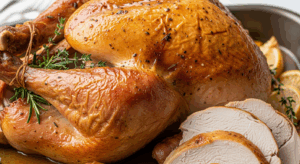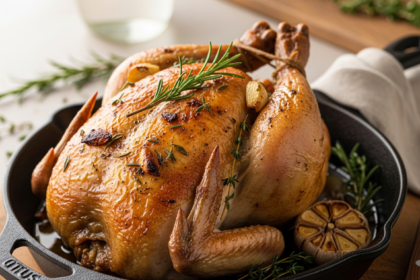


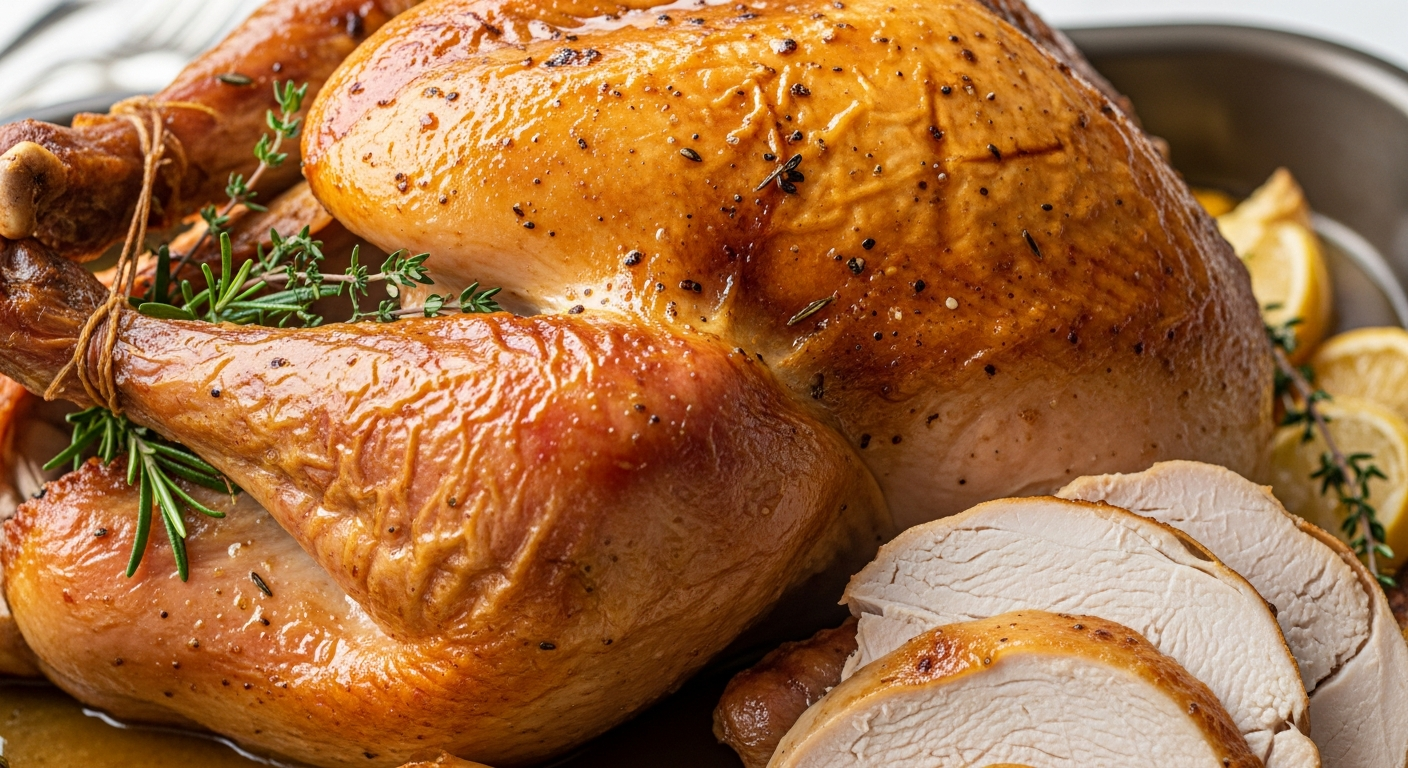
There’s an art to roasting the perfect turkey-a symphony of crisp skin,juicy meat,and mouthwatering aroma that transforms any meal into a celebration. Whether you’re a seasoned chef or a curious home cook, mastering the turkey roaster can elevate your holiday centerpiece from ordinary to extraordinary.in this article, we peel back the layers of culinary tradition and share insider tips and tricks that unlock the secrets of impeccable roasting.Get ready to carve into success with expert guidance that promises a bird so tender and flavorful, it’ll have everyone asking for seconds.
Choosing the Ideal Turkey Roaster for flawless Results
mastering the perfect turkey roaster begins with selecting the right piece of equipment that guarantees even cooking and maximum flavor. The ideal turkey roaster should offer ample space for a fully thawed bird without crowding, allowing hot air to circulate evenly. Look for a roaster with a sturdy rack and a tight-fitting lid – this combination traps heat and moisture, ensuring a juicy, tender turkey every time. Material matters, too: heavy-gauge aluminum or stainless steel models distribute heat consistently, avoiding those dreaded dry spots.
For those aiming for versatility, consider roasters equipped with temperature controls and removable inserts.These features enable delicate temperature adjustments and easy cleanup, especially when self-basting or roasting with aromatic vegetables. A non-stick surface can be a bonus, speeding up the washing process without sacrificing durability.

Preparing Your Turkey for Even Cooking and Maximum Flavor
Readiness plays a pivotal role in the journey to mastering the perfect turkey roaster. begin by patting your turkey dry with paper towels to remove excess moisture, which promotes a crisp, golden skin. If you plan to brine, soak the bird at least 12 hours ahead for a perfectly seasoned interior.
Trussing the turkey with kitchen twine secures the wings and legs close to the body, promoting uniform cooking and easier carving.Before placing the turkey in your roaster, tuck aromatic herbs such as fresh rosemary, sage, and thyme under the skin and inside the cavity-these infuse subtle savory notes throughout the meat.
elevate your turkey on a roasting rack inside the roaster to allow air circulation and prevent the bottom from steaming. Complement the setup by arranging root vegetables underneath the rack to soak up flavorful drippings, transforming them into a delicious side or gravy base.
Temperature Secrets to achieve Juicy Tenderness Every time
One of the best-kept secrets in mastering the perfect turkey roaster is the art of temperature control.Start by preheating your roaster to ensure consistent heat from the moment the turkey goes in. Begin roasting at a higher temperature-about 425°F (220°C)-for the first 30 minutes to jumpstart browning and crisp the skin beautifully.
Then, reduce the heat to 325°F (160°C) for the remainder of the cooking time. This gradual, steady heat prevents overcooked outer layers while allowing the interior to cook evenly, sealing in moisture. Be sure to check the internal temperature with a meat thermometer; the thickest part of the thigh should reach 165°F (74°C) without touching the bone.
Rest your turkey for at least 20 minutes after removal from the roaster-this lets juices redistribute, ensuring every slice bursts with juicy tenderness. Avoid the mistake of tenting with foil too tightly, which can trap steam and soften the crisp skin.
Essential Cleaning and Maintenance Tips to Prolong Your Roaster’s Life
Maintaining your roaster in top shape is crucial to mastering the perfect turkey roaster experience year after year. Immediately soak the removable racks and non-electric parts in warm, soapy water to loosen baked-on juices. Use a soft sponge or nylon brush to avoid scratching the surface.
For tougher stains, a paste made from baking soda and water gently lifts residue without harsh chemicals. Avoid harsh steel wool or abrasive pads that damage non-stick coatings or metal finishes.
If your roaster has a heating element, carefully wipe it down with a damp cloth-do not submerge. Store your roaster in a dry, ventilated place to prevent rust or electrical issues. Regularly inspect cords and plugs for wear and tear.
With these attentive cleaning habits and the right care, your roaster will remain a reliable cornerstone for festive gatherings to come.
prep and Cook Time
- Preparation: 30 minutes (excluding optional brining)
- Cooking Time: 2 to 3 hours (depending on turkey size)
Yield
Serves 8 to 10 guests generously
Difficulty Level
Medium – requires basic roasting techniques and attention to temperature
Ingredients
- 1 whole turkey (12-14 pounds), thawed
- 2 tablespoons kosher salt (for dry brining)
- 1 tablespoon black pepper, freshly ground
- 4 tablespoons unsalted butter, softened
- 4 sprigs fresh rosemary
- 4 sprigs fresh thyme
- 1 large onion, quartered
- 3 carrots, chopped
- 3 celery stalks, chopped
- 1 head garlic, halved horizontally
- 1 lemon, halved
- 1 cup low-sodium chicken broth (for roasting pan)
Instructions
- Prep the Turkey: Remove the turkey giblets and pat the bird dry inside and out with paper towels. If dry brining, rub kosher salt all over the skin and inside the cavity; refrigerate uncovered for 12-24 hours.
- Preheat Roaster: Preheat your turkey roaster to 425°F (220°C). Arrange the onion, carrots, celery, garlic, and lemon in the bottom of the roaster to create an aromatic bed.
- Season and Stuff: Gently loosen the skin over the breast and smear softened butter beneath it, spreading evenly. Insert rosemary and thyme sprigs under the skin and inside the cavity for enhanced flavor.
- Truss the Turkey: Tie the legs together with kitchen twine and tuck the wing tips under the body to promote even cooking.
- Place on rack: Position the turkey breast-side up on the roasting rack above the vegetables in the roaster. Pour 1 cup of chicken broth into the pan to keep the surroundings moist.
- Initial High-Heat Roast: Roast for 30 minutes at 425°F, allowing the skin to become golden and crisp.
- Lower Temperature: Reduce heat to 325°F (160°C) and continue roasting until the thermometer reads 165°F (74°C) in the thickest thigh area, typically 1.5 to 2 hours longer, basting occasionally with pan juices.
- Rest the Turkey: Remove the bird carefully and tent loosely with foil; let rest 20 to 30 minutes before carving.
- Make Gravy (Optional): Use the drippings and roasted vegetables to prepare a rich turkey gravy to accompany your feast.
Tips for Success
- Brining Alternatives: If short on time, apply a flavorful herb rub under the skin instead of brining.
- Monitor Temperature: Use a digital, probe-style thermometer for precise cooking without opening the lid repeatedly.
- Vegetable Bed Flavors: Swap carrots and celery for parsnips or sweet potatoes for a seasonal twist.
- Make Ahead: Prep your turkey and brine the day before to reduce day-of stress.
- Crispier Skin: For extra-crisp skin, pat turkey dry again before applying butter.
Serving Suggestions
Serve your turkey on a large platter garnished with vibrant fresh herbs and citrus slices to brighten presentation. Pair with classic sides such as creamy mashed potatoes, savory stuffing, and green bean almondine. A rich,velvety gravy made from roasting pan drippings ties every bite together perfectly. For extra flair, sprinkle chopped toasted nuts or pomegranate seeds over your vegetable sides for color and crunch.
| Nutrient | Per serving |
|---|---|
| Calories | 420 kcal |
| Protein | 45 g |
| Carbohydrates | 6 g |
| Fat | 22 g |
Discover our step-by-step guide on turkey carving for holiday success or visit Food Network’s Turkey Tips for expert advice and inspiration.
Q&A
Q&A: Mastering the Perfect Turkey Roaster – Tips & Tricks Revealed
Q1: What is the secret to achieving a perfectly roasted turkey with a golden, crispy skin?
A1: The magic lies in patience and preparation. Start by patting your turkey dry with paper towels to remove excess moisture-this helps the skin crisp up beautifully. then, generously season the bird with salt and your favourite herbs under the skin and on the surface. Roast at a high temperature initially (around 425°F or 220°C) for 30 minutes to jumpstart browning, then lower the heat to finish cooking evenly. Basting with its own juices occasionally will enhance flavor and moisture without sogginess.
Q2: Should I brine my turkey, and how does it affect roasting?
A2: Brining is a wonderful technique to infuse extra flavor and retain juiciness. Whether you opt for a customary saltwater brine or a dry brine, it helps the meat stay tender and guards against drying out during roasting. For dry brining, sprinkle kosher salt and herbs on the turkey 24 to 48 hours before cooking, letting it rest uncovered in the refrigerator-this method deepens flavor and improves skin crispness.
Q3: What’s the best way to ensure the turkey cooks evenly throughout?
A3: Even cooking starts with thoughtful prep. Truss the legs close to the body to ensure they cook at the same rate as the breast. Use a heavy-duty roasting pan with a rack to lift the bird off the bottom, allowing hot air to circulate and cook the turkey evenly. Also, consider tenting the breast with foil midway through cooking to prevent overbrowning while the legs catch up.
Q4: How can I tell when my turkey is perfectly done without drying it out?
A4: The best tool is a reliable meat thermometer. Insert it into the thickest part of the thigh without touching bone-the safe internal temperature for turkey is 165°F (74°C). onc it hits that mark, remove the bird promptly and let it rest for 20 to 30 minutes. Resting allows juices to redistribute, giving you tender, succulent meat rather than dry slices.
Q5: Are there any clever tricks to amplify the turkey’s flavor beyond basic seasoning?
A5: Absolutely! Aromatics tucked inside the cavity-like halved onions, citrus wedges, garlic cloves, and fresh herbs such as rosemary or thyme-imbue the turkey with subtle, layered flavors as it roasts. Additionally, rubbing softened butter mixed with herbs beneath the skin adds richness and locks moisture in. For a smoky twist, try adding a splash of broth or infused stock to the roasting pan to create steam and infuse savory notes.
Q6: What should I keep in mind when selecting a roasting pan and rack?
A6: A sturdy roasting pan with high sides will catch drippings for gravy and prevent spills. The rack is just as important-it keeps the turkey elevated, allowing hot air to circulate all around and fat to drip away. Avoid flimsy or low-sided pans that trap moisture, which can prevent crisp skin and cause uneven cooking.
Q7: Can resting the turkey after roasting really make a difference? How long should I rest it?
A7: Resting is a roasting crescendo-you want to give the turkey a peaceful moment away from heat where the juices can redistribute and settle. Plan to rest your turkey for at least 20 to 30 minutes,loosely tented with foil to retain warmth. Carving too soon can cause precious moisture to run out, leaving dry and stringy meat.
Q8: Is it okay to stuff the turkey before roasting? How does stuffing affect cooking times?
A8: If you choose to stuff the turkey,make sure the stuffing is moist and loosely packed; this promotes even cooking. However, stuffing does increase overall cook time and can raise food safety concerns if not done carefully. The stuffing’s internal temperature must also reach 165°F (74°C). For safety and more control, consider cooking stuffing separately, then filling the bird after resting.
With these tips and tricks, your turkey roasting endeavors will soar from good to greatness. Embrace the process, trust your instincts (and thermometer), and get ready for a show-stopping centerpiece at your next feast!
In Conclusion
With these expert tips and insider tricks in your culinary arsenal, mastering the perfect turkey roaster is no longer a daunting feat but an exciting challenge ready to be conquered. From selecting the ideal bird to achieving that golden, crispy skin and juicy interior, your journey toward turkey-roasting excellence is well underway. So go ahead-embrace the process, experiment with flavors, and make every roast a centerpiece worthy of celebration. After all, the perfect turkey isn’t just a meal; it’s a masterpiece waiting to be unveiled. Happy roasting!