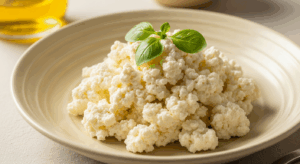




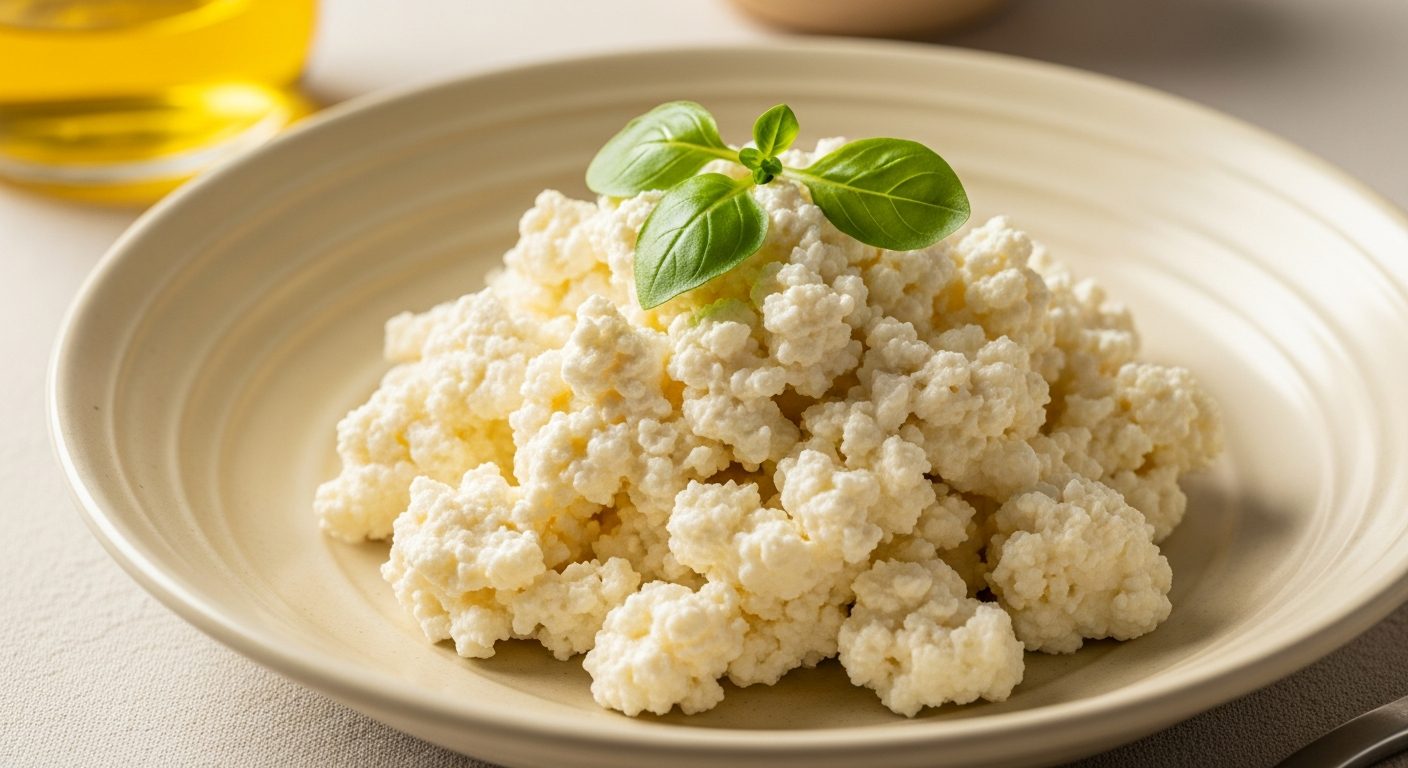
There’s something uniquely satisfying about creating wholesome ingredients from scratch, and homemade cottage cheese is no exception. Creamy, fresh, and bursting with subtle tang, this simple dairy delight transforms humble milk into a luscious treat right in your own kitchen. Whether you’re a seasoned cheese enthusiast or a curious culinary adventurer, crafting your own cottage cheese opens the door to endless customization and a deeper connection to your food. In this guide, we’ll walk you through the art and science of making cottage cheese at home-demystifying each step and inspiring you to savor the rich, creamy reward of your very own homemade creation.
Crafting Creamy Delight: Your Guide to Homemade Cottage Cheese
Crafting creamy delight through homemade cottage cheese is both an art and a rewarding culinary experience. The magic begins long before the curds form-selecting the right milk sets the foundation for luscious texture and rich flavor. Whether you’re diving into this tradition for the first time or perfecting your technique, understanding the essentials of milk choice and curd formation will elevate your results to sublime creaminess and the freshest taste imaginable.
Prep and Cook Time
- Prep Time: 15 minutes
- Cook Time: 30 minutes
- Total Time: 45 minutes
Yield
Approximately 4 servings (about 2 cups of fresh cottage cheese)
Difficulty Level
Medium – perfect for curious home cooks ready to experiment and learn new dairy craft skills.
Ingredients
- 1 gallon whole milk (preferably fresh and not ultra-pasteurized for optimal curd formation)
- ¼ tsp mesophilic starter culture or 2 tbsp cultured buttermilk
- ½ tsp liquid rennet diluted in ¼ cup cool, non-chlorinated water
- 1 tsp kosher salt (adjust to taste)
- Filtered water (for rinsing curds)
Instructions
- Warm the milk: Pour the whole milk into a heavy-bottom pot and gently heat it to 86°F (30°C) over low heat, stirring occasionally to prevent scorching. Using fresh, high-quality milk ensures the curds will form with a tender, creamy texture.
- Add the starter culture: Sprinkle the mesophilic starter evenly over the milk’s surface. Let it dissolve for 2 minutes, then stir gently but thoroughly with an up-and-down motion. Cover the pot and let culture for 45 minutes at 70-75°F to activate beneficial bacteria.
- Introduce rennet: Stir the diluted rennet gently into the milk using an up-and-down motion for about 30 seconds. Then cover and allow the milk to set undisturbed for 30-40 minutes, until a clean break is achieved-firm but tender curd that springs back when touched.
- Cut the curd: Using a long, thin knife or curd cutter, slice the curd into ½-inch cubes vertically and then horizontally. Let the curds rest for 5 minutes to firm slightly.
- Cook slowly: Over 20 minutes, gently raise the temperature to 115°F (46°C), stirring gently and occasionally to keep curds from matting. This warm bath shrinks the curds gently and releases creaminess without toughness.
- Drain and rinse: Pour curds into a colander lined with cheesecloth or a fine mesh cloth. Rinse with cool, filtered water to wash away residual whey and firm the texture-a vital step to achieving that characteristic fresh tang without excess acidity.
- Drain thoroughly: Let curds drain for 15 minutes. Then transfer to a bowl and gently fold in kosher salt to enhance flavor and balance tang.
- Rest and chill: Cover and refrigerate for at least 2 hours before serving to let flavors mellow and texture become luxuriously creamy.
Tips for Success: Mastering Your Crafting Creamy Delight
- Milk matters: avoid ultra-pasteurized milk; opt for fresh pasteurized or raw milk if accessible,as heat treatments can inhibit proper curd formation.
- Temperature control: Use a reliable kitchen thermometer -accuracy is key to unlocking perfect curds without toughness or excessive whey.
- Culture alternatives: If you lack mesophilic starter, high-quality buttermilk infused with live cultures works as an excellent natural substitute.
- Rinse thoroughly: Don’t skip rinsing your curds; this step is essential for clean, mild flavor and creamy consistency.
- Customize salt: Adjust kosher salt to taste-start conservatively and tweak in future batches until you find your signature balance.
- Variations to try: Add fresh herbs (dill, chives) or cracked black pepper for an aromatic twist that pairs beautifully with fresh produce or bread.
Enhancing Flavor and Freshness
For a vibrant, fresh bite, consider incorporating freshly squeezed lemon juice or a splash of quality vinegar during the rinsing rinse to brighten flavors subtly. Avoid overpowering additives-your crafting creamy delight deserves to shine in its natural, wholesome form. Gentle stirring during the early stages encourages even curd size, helping texture and mouthfeel develop evenly.
Storing and Serving Tips
Keep your cottage cheese in an airtight container, submerged slightly in its stored whey to maintain moisture and creaminess. refrigerate at 34-39°F and consume within 5 days for peak freshness. Serve chilled as a nourishing breakfast with seasonal fruit, atop salads with crisp greens, or as a creamy base for savory dips or spreads. Garnish with freshly cracked black pepper, a drizzle of cold-pressed olive oil, or a sprinkle of toasted nuts for added texture and unforgettable presentation.
Nutritional Facts per ½ cup serving
| Calories | Protein | Carbohydrates | Fat |
|---|---|---|---|
| 90 | 11g | 2g | 4g |

For more artisan dairy recipes, visit our Homemade Cheese Recipes Collection and explore the traditions behind other fresh cheeses. To deepen your understanding of milk microbiology and cheese cultures, the American Cheese Society’s resource library offers expert insights.
Q&A
Q&A: Crafting Creamy Delight – Your Guide to Homemade Cottage Cheese
Q1: What makes homemade cottage cheese different from store-bought varieties?
A1: Homemade cottage cheese offers a freshness and creaminess that’s hard to beat. Unlike many store-bought versions, which ofen contain preservatives and additives, making it at home lets you control the texture, saltiness, and creaminess to suit your personal taste perfectly.
Q2: What are the essential ingredients for making cottage cheese at home?
A2: The magic starts with just a few simple ingredients: fresh milk (whole milk works best), a starter culture or an acid like lemon juice or vinegar, and a bit of salt. The milk transforms as it curdles, eventually forming the delightful curds that give cottage cheese its signature texture.
Q3: How do I achieve the perfect creamy texture in homemade cottage cheese?
A3: Patience and gentle handling are key. After curdling the milk, it’s important to cut the curds slowly and cook them gently over low heat to prevent rubbery results.Draining the whey carefully and then folding in cream or milk helps achieve that luscious, creamy consistency.
Q4: Can cottage cheese be made with non-dairy milk alternatives?
A4: traditional cottage cheese relies on dairy milk because of its unique protein structure, which forms curds. Non-dairy milks don’t curdle the same way, so while alternatives like almond or soy milk can be used to make some types of cheese, true cottage cheese requires dairy milk for that classic texture.
Q5: How long does homemade cottage cheese keep, and what’s the best way to store it?
A5: fresh cottage cheese should be stored in an airtight container in the refrigerator and ideally consumed within 5 to 7 days. Keeping it chilled preserves its freshness and creamy flavor, making sure every spoonful tastes just like it came off the farm.
Q6: are there creative ways to enjoy homemade cottage cheese beyond traditional recipes?
A6: Absolutely! Cottage cheese is incredibly versatile. Try it dolloped over fresh fruit with a drizzle of honey for breakfast,mixed into mashed potatoes for extra creaminess,or layered in savory casseroles. Its mild tang makes it a perfect canvas for both sweet and savory culinary adventures.
Q7: What are some common mistakes to avoid when making cottage cheese at home?
A7: The biggest pitfalls include overheating the curds, which can lead to a grainy texture, and not draining the whey properly, resulting in a watery final product.Also, rushing the curdling process can produce uneven curds. Slow, steady, and gentle are the best practices to craft that perfect creamy delight.
Q8: Is homemade cottage cheese a good source of protein?
A8: Yes! Cottage cheese is a fantastic source of high-quality protein,making it a nutritious addition to your diet. It’s also rich in calcium and B vitamins, offering both taste and nourishment in every creamy bite.
Crafting your own cottage cheese is a rewarding journey into the world of fresh, wholesome foods. With a little patience and love, you’ll unlock the secret to a creamy delight that brightens every meal. Happy cheesemaking!
the Way Forward
With your newfound know-how, crafting creamy delight at home is no longer a culinary myth but a savory reality. Homemade cottage cheese offers not just a fresh burst of flavor but the satisfaction of creating something wholesome from scratch. Whether sprinkled atop a salad,blended into smoothies,or enjoyed by the spoonful,this versatile treasure promises both nourishment and delight. So gather your ingredients, embrace the simple art of curdling, and savor the creamy journey of crafting your very own cottage cheese-because sometimes, the best recipes begin right in your own kitchen.