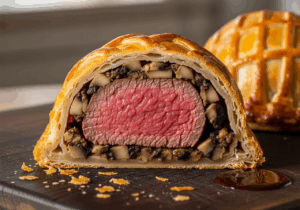




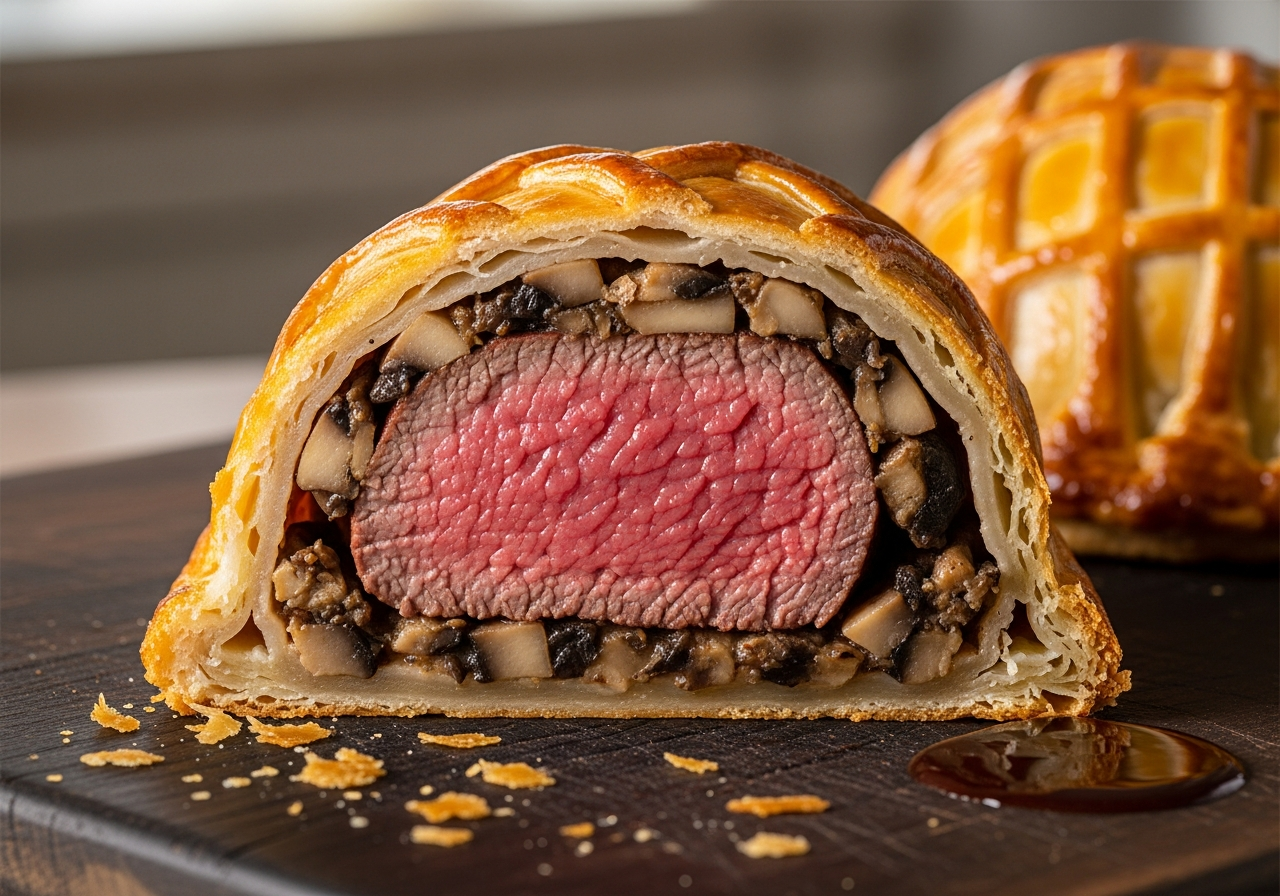
In the world of culinary masterpieces, few dishes command the same awe and reverence as beef Wellington. Cloaked in golden puff pastry and bursting with layers of rich flavors, this iconic entree has long been a benchmark of a chefS skill and artistry. But behind the gleaming facades of the restaurants that serve it lies a culinary challenge that even seasoned cooks hesitate to face.Enter Hell’s Kitchen-a fiery crucible where aspiring chefs are pushed to their limits and Beef Wellington emerges not just as a dish, but as a test of precision, timing, and technique. In this article, we unlock the secrets hailing straight from Hell’s Kitchen’s intense kitchens, revealing how to master this demanding classic and elevate your cooking to restaurant-worthy heights. Get ready to transform your approach and reclaim Beef Wellington as the crown jewel of your culinary repertoire.
Mastering Beef Wellington: Hell’s Kitchen Secrets Revealed
mastering Beef Wellington is a culinary journey that transforms a classic centerpiece into a spectacular showstopper. Rooted in British tradition but elevated with modern technique, this dish embodies the perfect symphony of flavors and textures. From the tender beef cut to the luscious mushroom duxelles and exquisitely flaky puff pastry, every element plays a vital role in creating a memorable dining experience. Whether hosting a special occasion or craving a gourmet challenge, this recipe unveils professional secrets that guarantee success and applause.
Prep and Cook Time
- Preparation: 45 minutes
- Cooking: 35 minutes
- Resting: 15 minutes
- Total time: 1 hour 35 minutes
Yield
Serves 6 generously
Difficulty Level
Advanced: Requires attention to detail and mastery of multiple techniques
Ingredients
- 1.5 lbs center-cut beef tenderloin (filet mignon), trimmed
- Salt and freshly ground black pepper, to taste
- 2 tablespoons olive oil
- 3 cups cremini mushrooms, finely chopped
- 3 cloves garlic, minced
- 2 tablespoons unsalted butter
- 2 tablespoons fresh thyme leaves, chopped
- 1 small shallot, finely diced
- 1/4 cup heavy cream
- 10 slices prosciutto (substitute turkey prosciutto for pork-free)
- 1 package (14 oz) store-bought puff pastry sheets, thawed
- 1 egg yolk, beaten (for egg wash)
- Fresh parsley, for garnish
Instructions
- Prepare the Beef: Season the beef tenderloin generously with salt and pepper. Heat olive oil in a heavy skillet over high heat. Sear the beef on all sides for about 2 minutes per side until deeply golden. Remove and let cool completely.This step locks in juices for ultimate tenderness.
- Make the Mushroom Duxelles: In the same skillet, melt butter over medium heat. Add shallot and garlic, sauté until fragrant and translucent (about 2 minutes). Add finely chopped mushrooms and thyme. Cook,stirring frequently,until all moisture evaporates and duxelles become a paste-like consistency-approximately 8-10 minutes. Stir in heavy cream and cook for 1 more minute. Cool completely.
- Assemble the Layers: On plastic wrap, lay the prosciutto slices in a slightly overlapping fashion, forming a rectangle large enough to envelop the beef. Spread the cooled duxelles evenly over the prosciutto, then place the beef in the center. Using the plastic wrap, tightly roll the prosciutto and mushroom layer around the beef and chill for 15 minutes to firm up.
- Prepare the Puff Pastry: Preheat oven to 425°F (220°C). Roll out puff pastry on a floured surface, creating a rectangle large enough to encase the beef. remove beef roll from wrap and place in the center of the pastry. Brush edges with egg wash, fold pastry snugly around the beef, and seal. Trim excess dough and decorate with pastry scraps if desired. Brush entire surface with egg yolk for a golden finish. Chill for 10 minutes to rest pastry.
- Bake to Perfection: Place wrapped beef on a baking sheet lined with parchment paper. Using a sharp knife, score gentle slashes on the pastry to allow steam to escape. Bake for 30-35 minutes until pastry is crisp and golden and the internal temperature reaches 125°F (52°C) for medium-rare.
- Rest Before Serving: Transfer beef Wellington to a plate, cover loosely with foil, and rest for 15 minutes. This step ensures maximum juiciness and allows the beef to finish cooking evenly.
- Slice and Serve: Using a sharp serrated knife, cut into 1-inch thick slices. Garnish with fresh parsley and serve immediately, presenting your masterpiece with pride.
Secrets to Resting and Serving for Maximum Juiciness and Presentation
proper resting is crucial when mastering beef Wellington. After baking, the beef needs time to redistribute its juices, ensuring each slice bursts with rich, tender flavor rather than losing moisture on the cutting board. A gentle foil tent maintains warmth without steaming the pastry, preserving that signature flaky crunch. When slicing, use a sharp serrated knife, applying minimal pressure for clean, elegant cuts that showcase the distinct layers of tender beef, earthy duxelles, and golden pastry.
Chef’s Notes
- Beef Selection: The filet mignon is ideal for its butter-like tenderness. Look for a uniformly thick, center-cut piece to ensure even cooking. Avoid any cuts with excessive fat or sinew.
- Mushroom Duxelles Variations: Experiment with wild mushrooms like chanterelles or shiitake for deeper umami notes. Ensure mushrooms are finely chopped to avoid moisture buildup that can sog the pastry.
- puff Pastry Tips: Keep pastry cold during handling for best layers. If homemade,chill dough thoroughly before rolling. Avoid over-handling pastry to prevent toughness.
- Make-Ahead: Assemble the Wellington up to pastry wrapping stage and refrigerate overnight. Brush with egg wash and bake fresh to retain crispness.
- Substitutions: for pork-free prosciutto alternatives, turkey or beef prosciutto provides similar saltiness and texture.
Serving Suggestions
Present your beef wellington on a warmed cutting board or platter to keep it attractive and hot from center to crust. Complement with classic sides like roasted fingerling potatoes, baby carrots glazed with honey and thyme, or crisp green beans with toasted almonds. A bright chimichurri or a creamy horseradish sauce adds refreshing contrast.Garnish with sprigs of fresh thyme or parsley to elevate visual appeal and aroma.

| Nutrient | Per Serving |
|---|---|
| Calories | 650 kcal |
| Protein | 48 g |
| carbohydrates | 35 g |
| Fat | 38 g |
For more elevated beef recipes, check out our Ultimate Steak Secrets guide. Interested in mastering classic French sauces to pair brilliantly with your Wellington? Discover tips from Serious Eats’ French Sauce Fundamentals for expert insights.
Q&A
Q&A: Mastering Beef Wellington – Hell’s Kitchen Secrets Revealed
Q1: What makes beef Wellington such an iconic dish in Hell’s Kitchen and beyond?
A: Beef Wellington is a symphony of textures and flavors-a tender, perfectly cooked beef fillet wrapped in layers of mushroom duxelles, delicate puff pastry, and sometimes a thin crêpe to lock in moisture. Its complexity and visual drama make it a true showstopper on any dining table. In Hell’s Kitchen, nailing this dish is a rite of passage, showcasing a chef’s precision and timing under pressure.
Q2: What is the secret to achieving a perfectly cooked beef fillet inside the Wellington?
A: The key lies in choosing the right cut-typically a center-cut tenderloin-and searing it just until it’s beautifully browned on the outside, but still rare in the center. Resting the meat after searing is crucial to allow the juices to redistribute. Remember, the beef will continue to cook inside the pastry, so slightly undercooking before wrapping ensures the finish is medium-rare and melt-in-your-mouth tender.
Q3: How do Hell’s Kitchen chefs make their mushroom duxelles stand out?
A: The magic is in the texture and seasoning. Mushrooms are finely chopped (frequently enough blitzed in a food processor) and cooked slowly over medium heat to evaporate moisture completely, intensifying the umami flavor without becoming mushy.A splash of reduced beef stock or a touch of cream might sneak in to add richness, but the goal is a deeply flavorful, drier paste that won’t sog the pastry.
Q4: What role does the puff pastry play, and how do chefs ensure it’s golden and crisp?
A: Puff pastry is the elegant wrapping that contrasts the soft filling with crisp, flaky layers. The trick is keeping all components cool before baking to prevent premature melting or sogginess. Chill the wrapped Wellington thoroughly, and bake it at a high temperature to encourage puffing and even browning. Some chefs brush the pastry with egg wash mixed with a hint of water for a glossy, golden finish.
Q5: Are there any common pitfalls to avoid when assembling Beef Wellington?
A: absolutely. Overloading the pastry with too much filling or moisture is a classic trap-it leads to soggy pastry and dilutes the beef’s flavor. Using a crêpe or prosciutto layer helps create a moisture barrier. Also, skipping the resting steps-both after searing and after baking-risks dry beef or juices spilling out when slicing. Precision and patience are your best allies here.
Q6: Can you share a pro tip from Hell’s Kitchen for slicing and serving Beef Wellington?
A: Use a sharp, serrated knife and slice with a smooth, steady motion to maintain the pastry’s structure and reveal those stunning, defined layers inside.Serve immediately while warm; this dish isn’t shy about its temperature sensitivity-cold Wellington loses its magic. Pair with roasted root vegetables or a silky mashed potato to complement the richness.
Q7: How important is timing when cooking Beef Wellington, especially in a high-stakes environment like Hell’s Kitchen?
A: Timing is everything.From searing the beef to cooling,assembling,chilling,and baking-the entire process demands precision. Hell’s Kitchen challenges test a chef’s ability to multitask and keep a cool head. Underbake slightly, rest properly, and finish with a high-heat oven blast for that golden pastry without overcooking the beef. Mastering the timing elevates a good Wellington to a Hell’s Kitchen masterpiece.
Q8: What are some creative twists Hell’s Kitchen chefs add to this classic dish without straying too far?
A: While tradition reigns,chefs often experiment with flavor layers-adding finely minced shallots or herbs like thyme into the duxelles,or incorporating a thin layer of a rich mushroom pâté for extra depth. Some infuse the wrapping crêpe or pastry with herbs or cracked pepper to add a subtle surprise. The essence is balance-enhancing without overwhelming the star ingredient: the beef fillet.
By unlocking thes Hell’s Kitchen secrets, your next Beef Wellington can be more than a meal-it can be an unforgettable culinary triumph. Ready to don your apron? The kitchen awaits.
In Conclusion
As you close the chapter on mastering Beef Wellington,remember that beneath its golden crust lies a symphony of flavors waiting to be orchestrated by your hands. Hell’s Kitchen may have unveiled its fiery secrets, but the true mastery is yours to claim-balancing technique, timing, and a dash of culinary courage. So don your apron,summon your inner chef,and transform this iconic dish from a daunting challenge into a triumph on your dinner table. After all, every grate meal begins with a bold step into the heat of the kitchen.