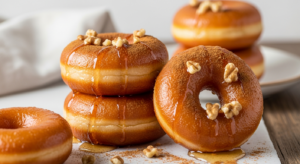


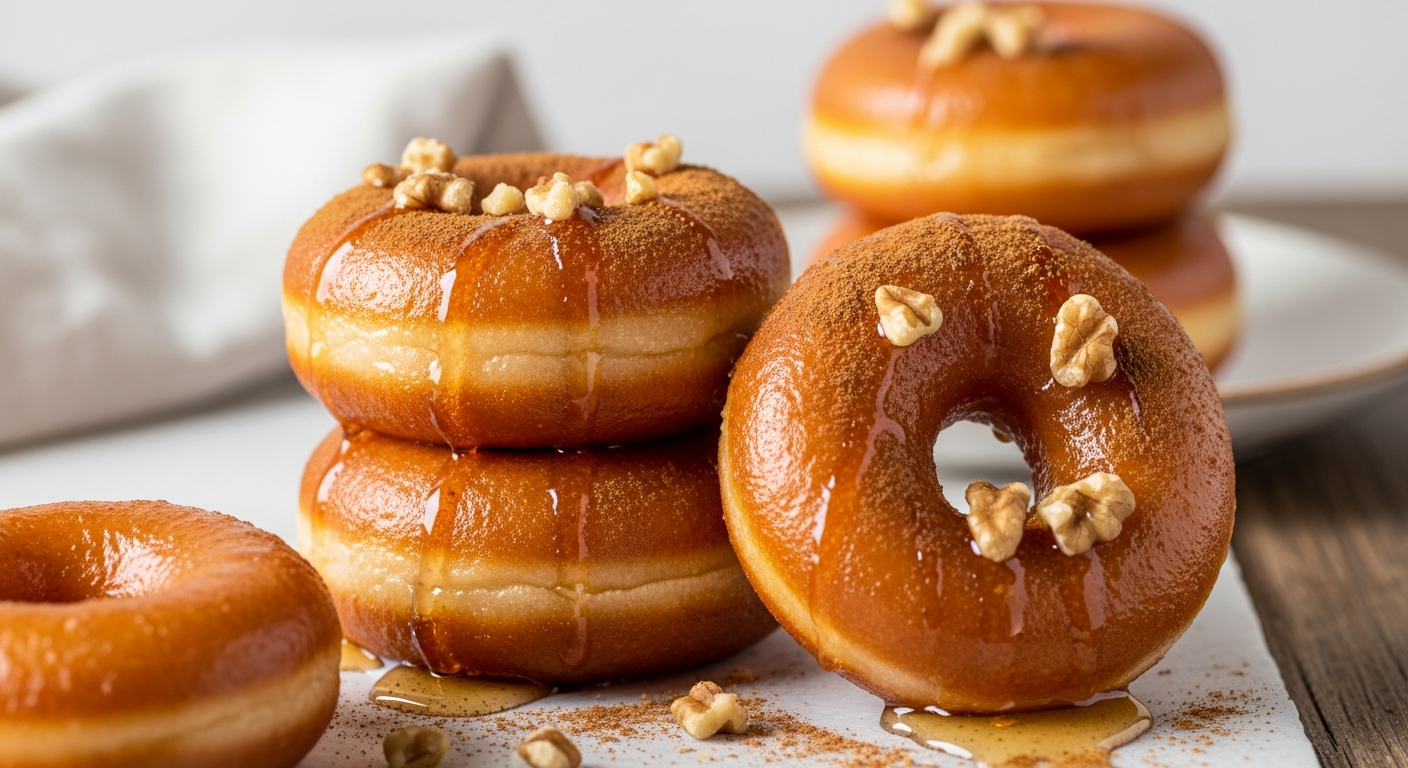
Crisp on the outside, pillowy soft on the inside, and drenched in golden honey-loukoumades are Greece’s timeless sweet treasure that have captivated taste buds for centuries. These little doughnut delights,frequently enough sprinkled wiht cinnamon or crushed nuts,carry the essence of festive gatherings,street markets,and ancient traditions all wrapped into one bite. Journey with us as we explore the history, cultural significance, and the irresistible charm of loukoumades, uncovering why this humble pastry continues to hold a special place in the heart of Greek cuisine and beyond.
Loukoumades are a treasured gem of Greek culinary tradition, delighting generations with their crisp golden exterior and delightfully airy interior, all drenched in luscious honey syrup. These honeyed doughnuts evoke images of bustling festivals, joyous family gatherings, and sun-drenched island cafés where locals indulge in simple pleasures.Originating from ancient Greece, loukoumades have an enduring cultural significance as the “nectar of the gods,” frequently enough served during celebrations to honor deities and bring good fortune. Whether shared among friends or enjoyed as a sweet pause in the day, these bite-sized treats capture the warmth and spirit of Greek hospitality like no other dessert.
Prep and Cook Time
- Readiness: 15 minutes
- Proofing: 1 hour
- Cooking: 10-15 minutes
- Total Time: Approximately 1 hour 30 minutes
Yield
Approximately 30-35 loukoumades, serving 4-6 people
Difficulty Level
Medium – ideal for bakers pleasant with yeast doughs and frying techniques
Ingredients
- 2 ½ cups all-purpose flour, sifted
- 1 cup warm water (around 100°F/38°C)
- 1 tsp active dry yeast
- 1 tbsp granulated sugar
- ½ tsp salt
- 1 tbsp olive oil, plus extra for frying
- 1 cup honey (preferably Greek thyme or pine honey)
- 1 tsp ground cinnamon (optional, for topping)
- Chopped walnuts or crushed pistachios for garnish
Instructions
- Activate the yeast: In a small bowl, combine warm water, sugar, and active dry yeast. Stir gently and let it rest for 5-10 minutes until frothy and bubbly. this ensures your loukoumades will be light and airy.
- Prepare the dough: In a large mixing bowl, sift the flour and salt together.Create a well in the center and slowly pour in the yeast mixture and olive oil. Stir with a wooden spoon or spatula until the dough begins to form. It should be a loose, sticky batter, not a firm dough.
- First proof: Cover the bowl with a clean kitchen towel or plastic wrap. Let the dough rise in a warm, draft-free spot for about 1 hour, until it doubles in size and looks bubbly and aerated.
- Heat the oil: Pour olive oil into a deep frying pan or heavy-bottomed pot to a depth of about 2 inches. Heat over medium heat until it reaches 350°F (175°C). Use a candy thermometer for accuracy-to hot and loukoumades cook too fast, too cool and they absorb too much oil.
- Shape and fry: Using two teaspoons or your hands dipped in oil, drop small spoonfuls of dough into the hot oil, spacing them apart to avoid sticking.Fry in batches for about 2-3 minutes per side, turning carefully with a slotted spoon until golden brown and puffed.
- Drain and soak: Remove loukoumades with a slotted spoon, placing them on paper towels to drain excess oil. While still warm, drizzle generously with warm honey. The residual heat will help the honey absorb beautifully.
- Garnish and serve: Sprinkle with cinnamon and chopped nuts if desired. Serve promptly for the best texture-crispy outside, soft and tender inside.
Tips for Success
- Yeast care: Always use warm, not hot water for yeast activation. Water that’s too hot kills the yeast; too cold slows fermentation.
- Dough consistency: The dough should remain loose and wet-this is essential for the characteristic lightness of loukoumades.
- Oil temperature control: Use a thermometer or test oil heat by dropping a small bit of dough. It should sizzle immediately and float to the top.
- Honey syrup variation: Warm your honey slightly before drizzling for an even coating; feel free to infuse the honey with citrus zest or a few cloves for aromatic depth.
- Make-ahead note: The dough can be mixed and refrigerated overnight for deeper flavor development; allow it to warm and rise before frying.
Serving Suggestions
For an authentic Greek experience, serve your loukoumades with a side of strong Greek coffee or a refreshing glass of chilled iced tea infused with lemon.Garnish each piece with a light dusting of cinnamon and a sprinkle of finely chopped walnuts or crushed pistachios to add a satisfying crunch. For a modern twist, consider drizzling with dark chocolate or a dollop of whipped cream alongside fresh seasonal berries. These sweet honeyed doughnuts shine best when shared in good company-present them on a rustic wooden platter adorned with a few sprigs of fresh mint or edible flowers for a stunning visual delight that matches their golden glow.
| Nutrient | Per Serving (5 loukoumades) |
|---|---|
| Calories | 280 kcal |
| Protein | 4 g |
| Carbohydrates | 43 g |
| Fat | 8 g |
Discover more about Greek desserts like other beloved sweets, or deepen your culinary skills with our complete Greek cuisine resources from the Institute for Culinary Arts. Your journey into the world of loukoumades and authentic Greek flavors is just beginning.
Q&A
Q&A: Loukoumades – Exploring Greece’s Sweet Honeyed Doughnut Delight
Q1: What are loukoumades?
A1: Loukoumades are small, golden, deep-fried dough balls, crisp on the outside and irresistibly soft on the inside. Drizzled generously with honey and often sprinkled with cinnamon and crushed nuts, they are a beloved Greek dessert that has delighted taste buds for centuries.
Q2: How did loukoumades originate?
A2: The roots of loukoumades trace back to ancient Greece, where they were enjoyed as offerings to the gods during festivals. Over time, the recipe evolved, and by the Byzantine era, loukoumades became a popular street food and festival treat, symbolizing party and sweetness in life.
Q3: What makes loukoumades unique compared to other doughnuts?
A3: Unlike typical doughnuts, loukoumades are bite-sized, pillowy puffs with a delicate crispness that shines through their honey glazing. Their light texture and simple yet rich flavor profile, combining honey, cinnamon, and sometimes walnuts or sesame seeds, make each bite a harmonious dance of textures and tastes.
Q4: How are loukoumades traditionally prepared?
A4: Traditional loukoumades begin with a simple yeast dough made from flour, water, sugar, and yeast. After rising, the dough is scooped into hot oil and fried until golden. Once cooked, they’re immediately bathed in warm honey syrup and dusted with cinnamon, occasionally accompanied by crushed nuts for an added crunch.
Q5: are loukoumades served only as a dessert?
A5: While loukoumades are primarily enjoyed as a sweet treat or dessert, in Greece they transcend typical mealtime boundaries. They can be a comforting snack, a festive indulgence during celebrations, or a street food favorite shared among friends and family any time of the day.
Q6: Can variations of loukoumades be found outside Greece?
A6: Certainly! Variations of loukoumades exist throughout the Mediterranean and Middle East, with similar fried dough balls featuring honey or syrup toppings. However, the Greek loukoumades stand out for their light texture and the iconic honey-cinnamon-nut combination that captures the essence of Greek culinary tradition.
Q7: Are there modern twists on traditional loukoumades?
A7: Yes, creative chefs have introduced modern spins like drizzling chocolate, adding ice cream toppings, or experimenting with flavored syrups such as orange blossom or rose.Despite these innovations, the soul of loukoumades remains the same: a warm, sweet, honeyed bite of joy.
Q8: How can one enjoy loukoumades at home?
A8: Making loukoumades at home can be a delightful culinary adventure. With basic ingredients and a bit of patience for the dough to rise, frying up these golden nuggets and drenching them in honey makes for an authentic taste of Greece right in your kitchen - perfect for family gatherings or a special treat.
Q9: What cultural significance do loukoumades hold in Greece?
A9: Loukoumades are more than just a dessert-they’re a symbol of Greek hospitality,celebration,and tradition. Served during festivals like Christmas or local fairs, sharing loukoumades fosters a sense of community and joy, embodying the Greek spirit of togetherness and sweetness in life.
Q10: What beverage would complement loukoumades?
A10: To accompany loukoumades, many enjoy a cup of strong Greek coffee or a refreshing herbal tea such as mountain tea (sideritis). The warmth and mild bitterness of these drinks beautifully balance the sweetness and richness of the honeyed doughnuts, enhancing the overall tasting experience.
The Conclusion
As the golden drops of honey glaze each pillowy loukoumadaki, we are reminded that sometimes, the sweetest stories are told through simple pleasures. These humble doughnuts, crispy yet tender, carry with them centuries of Greek tradition-a delicious bridge between past and present. Whether enjoyed on a bustling Athenian street corner or recreated in your own kitchen miles away, loukoumades invite you to savor more than just a dessert; they offer a warm taste of Greece’s rich cultural tapestry. So next time you crave a sweet escape, let loukoumades be your guide into a world where honeyed history melts effortlessly on your tongue.