


In the sun-drenched landscapes of southern Spain, where the heat of summer seems to linger endlessly, a vibrant culinary tradition offers not only relief but a party of fresh, bold flavors – gazpacho soup.This chilled masterpiece is more than just a dish; its an artful blend of ripe tomatoes, crisp vegetables, and fragrant herbs, all harmonizing to create a symphony of taste that awakens the senses. As we dive into the world of gazpacho, we’ll uncover the history, ingredients, and techniques that transform humble garden produce into a refreshing elixir of chilled bliss. Join us on this flavorful journey and discover how the art of gazpacho soup continues to captivate palates across cultures and seasons.
Chilled Bliss begins the moment you handpick the freshest, ripest vegetables and herbs for your gazpacho. This vibrant Spanish classic captures the sun-soaked flavors of Andalucía, delivering an invigorating, cold soup that awakens your palate with each sip. Selecting the perfect ingredients is essential-not just for flavor but to balance the textures and create the ideal harmony between brightness, acidity, and subtle sweetness.
The Fresh Foundations: Ingredients That Make Gazpacho Sing
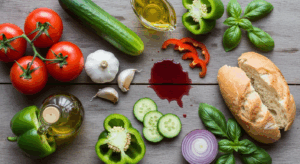
When crafting an authentic gazpacho, focus on peak-season vine-ripened tomatoes as the base. Their natural sweetness and juiciness form the heart of this chilled soup. Complement these with crisp cucumbers, crunchy bell peppers, and sharp red onions.Fresh garlic adds a subtle kick without overpowering, while extra-virgin olive oil brings silken smoothness and a peppery finish.
Don’t overlook the power of acidity. A splash of sherry vinegar or high-quality red wine vinegar brightens the flavors,perfectly balancing sweetness and earthiness. Fresh herbs like fragrant basil or cilantro lend aromatic complexity, while a pinch of sea salt and freshly ground black pepper round out the seasoning. incorporating day-old bread or crustless white bread adds desirable body and texture, binding the elements into one harmonious chilled experience.
Prep and Cook Time
- Preparation: 20 minutes
- Chilling Time: 2 hours minimum (preferably overnight)
- Total Time: Approximately 2 hours 20 minutes
Yield
Serves 6 refreshing, generously-sized bowls
Difficulty Level
Easy to Medium: Perfect for beginners eager to impress with a cool, flavorful dish
Ingredients
- 6 large ripe plum tomatoes, cored and roughly chopped
- 1 large cucumber, peeled, seeded, and diced
- 1 red bell pepper, seeded and diced
- 1 small red onion, finely chopped
- 2 cloves garlic, minced
- 3 cups day-old crustless white bread, torn into pieces
- 3 cups cold water
- ¼ cup extra-virgin olive oil
- 2 tablespoons sherry vinegar (or red wine vinegar)
- 1 teaspoon sea salt, more to taste
- Freshly ground black pepper, to taste
- Fresh basil leaves, chiffonade for garnish
Instructions
- Soak the bread: Place the torn bread pieces in a large bowl and pour 3 cups of cold water over them. Let soak for 10 minutes until softened; then squeeze out excess water gently to avoid losing flavor.
- Blend the vegetables: In a blender or food processor, combine tomatoes, cucumber, bell pepper, onion, and garlic. Pulse until smooth but still retaining a touch of texture for character.
- Add soaked bread: Add the soaked bread to the blender along with olive oil,sherry vinegar,salt,and pepper. blend again until the mixture is silky but slightly thickened-stop to scrape the sides as needed for even mixing.
- Taste and adjust: Sample the gazpacho,adding more vinegar or salt if needed,balancing acidity with seasoning for a fresh,lively profile.
- Chill thoroughly: Transfer soup to a covered container and refrigerate for at least 2 hours to allow flavors to meld beautifully.
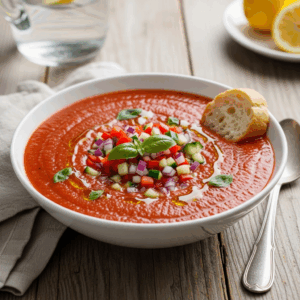
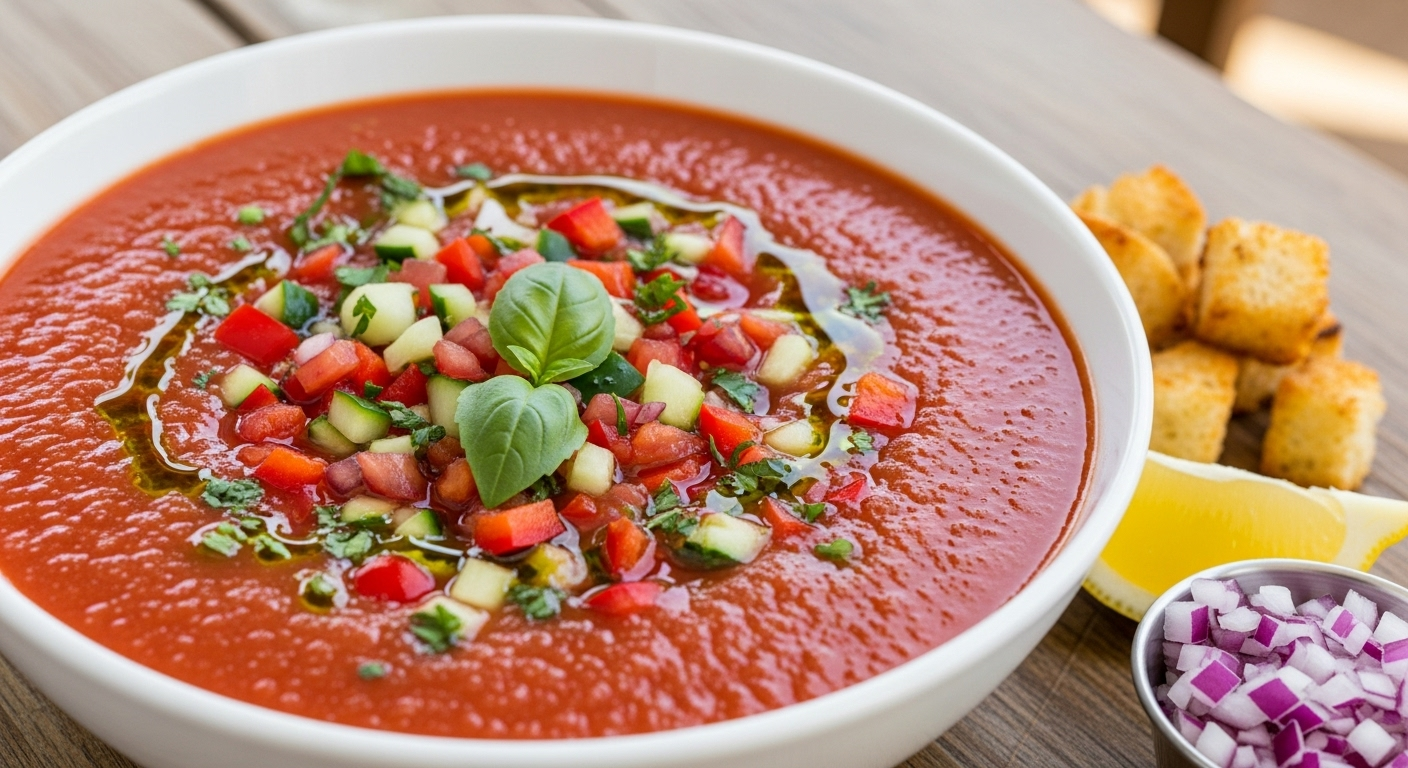
- Serve cold: Stir gently before ladling into bowls. Garnish with basil chiffonade, a drizzle of olive oil, and finely chopped cucumber or bell pepper for a burst of fresh texture.
Tips for Success: Elevate Your Chilled Bliss
- Ingredient freshness is key. use tomatoes at their peak for maximum natural sweetness. If tomatoes are out of season, consider adding a pinch of sugar or a few drops of good-quality tomato paste for depth.
- bread choice affects texture. Use day-old crustless white bread or substitute with a few tablespoons of ground almonds for a grain-free option.
- For contrasting textures, reserve some finely diced cucumber and bell pepper to stir in right before serving for a refreshing crunch.
- Adjust acid carefully. Vinegar is essential for brightness but add slowly-overly acidic gazpacho overwhelms the natural flavors.
- Make ahead: Gazpacho tastes better the next day as flavors deepen. keep chilled and covered for up to 3 days.
Serving Suggestions: Presenting Your Gazpacho Like a Pro
This soup shines brightest when served ice-cold in clear glass bowls or tall glasses to showcase its brilliant color. Top with fresh herb chiffonade, vibrant red pepper slivers, or tiny cucumber cubes for inviting garnishes. A drizzle of high-quality extra-virgin olive oil adds sheen and richness.
Pair your chilled bliss with crusty artisan bread or a simple green salad tossed in lemon vinaigrette to create a balanced, refreshing summer meal. For a protein boost, serve alongside seared shrimp or grilled chicken skewers.

| Nutrient | Per Serving |
|---|---|
| Calories | 120 kcal |
| Protein | 3 g |
| Carbohydrates | 17 g |
| Fat | 5 g |
Ready to expand your chilled soup repertoire? Explore more summer cold soup recipes for additional inspiration and techniques. For deeper insight into traditional Spanish ingredients, visit Spain Official Tourism – Food & Wine.
Q&A
Q&A: Chilled Bliss-Discovering the Art of Gazpacho Soup
Q1: What makes gazpacho soup stand out among other soups?
A1: Gazpacho is a vibrant, chilled soup that captures the essence of summer in every spoonful. Unlike traditional hot soups, gazpacho is served cold, offering a refreshing burst of flavor and a light, invigorating texture perfect for warm days. Its radiant colors and fresh ingredients make it as visually appealing as it is indeed appetizing.
Q2: Where does gazpacho originate, and how has it evolved?
A2: Gazpacho hails from the sunny Andalusian region of southern Spain, where it was originally a humble peasant dish made from stale bread soaked in water, olive oil, garlic, and vinegar. Over centuries, fresh garden vegetables like tomatoes, cucumbers, and peppers transformed it into the vibrant, flavorful concoction beloved worldwide today.
Q3: What are the essential ingredients in a classic gazpacho?
A3: The heart of gazpacho lies in ripe tomatoes, crisp cucumbers, sweet bell peppers, pungent garlic, tangy vinegar, and high-quality olive oil. Bread or breadcrumbs help create body and creaminess without cream. These simple ingredients, when blended skillfully, produce a harmonious balance of acidity, freshness, and richness.
Q4: How can one master the texture of gazpacho?
A4: Achieving the perfect texture in gazpacho is an art. Some prefer it silky smooth, blending until creamy and straining to remove seeds and skins.Others enjoy a chunkier style that lets each vegetable’s bite shine. Experiment with blending times and the ratio of liquid to solids until you find your personal liquid velvet or vibrant crunch.
Q5: Are there creative twists to traditional gazpacho?
A5: Absolutely! While the classic recipe shines on its own, you can add a splash of innovation by incorporating seasonal herbs like basil or mint, swapping in roasted red peppers for a smoky touch, or garnishing with diced avocado for creaminess. Chilled pureed fruits like watermelon or strawberries also introduce a playful hint of sweetness.
Q6: How should gazpacho be served to enhance its refreshing qualities?
A6: Gazpacho is best served icy cold-chilled overnight to let flavors meld beautifully. Serve it in cups or bowls garnished with finely chopped veggies, a drizzle of olive oil, or crunchy croutons for texture contrast.Its invigorating chill and vibrant taste make gazpacho the ultimate palate cleanser and summertime delight.
Q7: What are some tips for selecting the best ingredients?
A7: Since gazpacho is a raw soup, ingredient quality is paramount.Choose the ripest, juiciest tomatoes bursting with flavor, crisp cucumbers free of bitterness, and fresh bell peppers with vivid, glossy skin. Use extra virgin olive oil for its fruity richness, and opt for good-quality vinegar to bring balanced brightness.
Q8: Can gazpacho be a nutritious meal option?
A8: Definitely! Gazpacho is low in calories but packed with vitamins, antioxidants, and fiber from its abundance of fresh vegetables. It hydrates while delivering essential nutrients, making it an ideal light lunch or appetizer that nourishes the body and cools the spirit on a hot day.
Q9: How can gazpacho fit into different culinary traditions?
A9: Gazpacho’s vibrant and flexible nature invites countless cultural adaptations. By blending local produce or spices, such as adding a touch of cumin, fresh coriander, or a hint of chili, cooks can weave familiar flavors into this Spanish classic-creating refreshing cold soups worldwide that maintain gazpacho’s spirit of chilled bliss.
This Q&A explores the enchanting world of gazpacho soup, celebrating its fresh simplicity and endless creative possibilities without relying on common pitfalls, making every chilled spoonful a true art form.
To Wrap It Up
As the sun sets on our journey through the vibrant world of gazpacho,it becomes clear that this chilled masterpiece is more than just a soup-it’s a celebration of simplicity,seasonality,and culture. Each spoonful offers a refreshing escape and a taste of Mediterranean heritage, where ripe tomatoes, crisp cucumbers, and fragrant herbs come together in perfect harmony. Whether enjoyed on a sweltering summer day or as a light starter to a festive meal, gazpacho invites us to slow down and savor the art of cool, colorful nourishment. So next time the heat rises, embrace the chilled bliss of gazpacho and discover how this humble soup can transform your dining experience into a refreshing work of edible art.