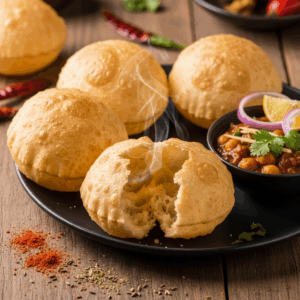




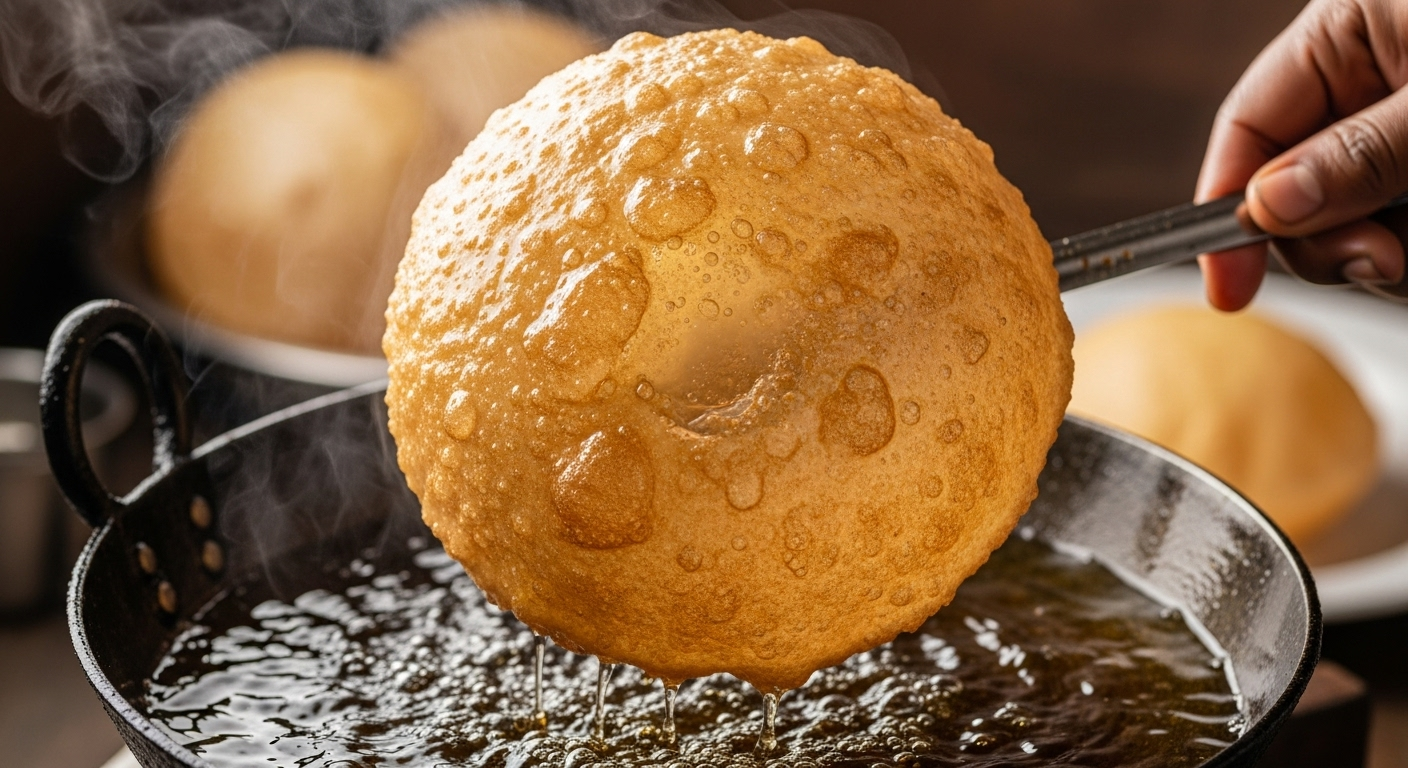
Golden, pillowy, and irresistibly crisp-bhature is more than just Indian fried bread; it is a culinary masterpiece that has captured hearts and taste buds across the world. This sensational delicacy, often paired with spicy chickpea curry, carries with it a rich tapestry of history, technique, and flavors waiting to be explored. In “Bhature Unveiled: The Art of Fluffy Indian Fried Bread,” we delve into the secrets behind its ethereal fluffiness, the traditional readiness methods passed down through generations, and the cultural importance that elevates bhature from humble dough to iconic comfort food. Join us on a flavorful journey as we uncover what makes bhature not only a staple of Indian cuisine but also a symbol of indulgent simplicity perfected.
The History and Cultural Significance of Bhature
Bhature Unveiled: The Art of Fluffy Indian Fried Bread begins with a deep dive into the vibrant tapestry of Indian culinary tradition. Originating from North india, particularly Punjab, bhature has long been cherished as a celebratory bread that elevates everyday meals into festive feasts. this fried bread’s distinct puffiness and golden hue have made it synonymous with joyous occasions and street food culture alike. Its name itself evokes images of bustling bazaars, aromatic spice markets, and the warm laughter shared over plates of piping hot chole bhature.
Historically, bhature was considered a clever way to complement hearty legume dishes, acting like a soft, pillowy vehicle for the spices and textures of chickpea curry. Its role extended beyond sustenance to being a cultural icon that brings families and communities together. Today, bhature not only represents traditional Indian cooking but also the modern evolution of street food, enjoyed across continents with regional variations that celebrate local flavors.
Mastering the Perfect Dough for Fluffy Bhature
At the heart of these irresistibly fluffy breads lies the dough, crafted with precision and care.Mastering the dough is the first and most crucial step in achieving the light, airy texture that bhature is famous for. The ideal dough balances softness with slight elasticity, allowing it to puff beautifully when fried.
To start,use all-purpose flour sifted carefully for a smooth base. Incorporate a small amount of semolina or suji to add a subtle crunch and a light structure that encourages puffing. The secret usually lies in a combination of plain yogurt which acts as a natural fermenting agent, tenderizing the dough while imparting delicate tang.
Hydration levels are key: the dough should feel soft, not sticky, with enough rest time-typically a minimum of 2 hours at room temperature-to allow the gluten to relax and the natural leavening to work its magic.
Secrets to Achieving the Ideal Frying Technique
frying bhature is both an art and a science. the oil temperature is critical-too hot, and the breads burn on the outside before puffing; too cool, and they absorb excess oil, becoming greasy and heavy. The magic number sits between 350°F to 375°F (175°C to 190°C). Maintaining this heat ensures the dough puffs into perfect spheres, sealing steam inside, which forms the characteristic airy pocket.
Gently slide the rolled dough discs into the hot oil, then press them lightly with a slotted spoon to encourage puffing. Turn the bhature once the underside is golden and crisp, cooking evenly on both sides. This crisp exterior pairs beautifully with the soft, pillowy inner layers-a contrast that makes every bite an indulgence.
Pairing Bhature with Classic Indian Delicacies
Traditionally, bhature partners with chole-a fragrant chickpea curry infused with spices like cumin, coriander, and amchur (dry mango powder). This combination is a staple breakfast or brunch item in many Indian homes, balancing the neutral yet rich flavor of the bread with spicy, tangy gravies.
Beyond chole, bhature can accompany paneer bhurji, aloo curry, or mixed vegetable masalas, each offering a delightful medley of tastes and textures. Garnishing with sliced onions, fresh cilantro, and a squeeze of lemon adds brightness and crunch. A side of cooling raita or mango pickle amplifies the experience, introducing sharp contrasts that awaken the palate.
Bhature’s versatility also means it pairs well with a variety of chutneys including coriander-mint or tamarind, lending additional layers of flavor to your meal.
Prep and Cook Time
- Preparation: 15 minutes
- Dough Resting: 2 hours
- Cooking: 20 minutes
- Total Time: Approximately 2 hours 35 minutes
Yield
Makes 8-10 bhature (approximately 10 cm diameter each)
Difficulty Level
Medium – Requires attention to dough texture and frying temperature, but achievable with practice
Ingredients
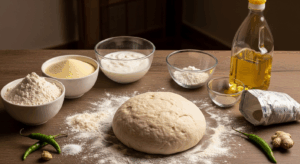
- 2 cups all-purpose flour, sifted
- 1/4 cup semolina (suji)
- 1/2 cup plain yogurt, at room temperature
- 1/2 teaspoon baking powder
- 1/2 teaspoon baking soda
- 1 teaspoon sugar
- 1 teaspoon salt
- 1 tablespoon oil, plus more for frying
- 3/4 cup warm water, adjust as needed
Instructions
- Combine dry ingredients: In a large bowl, mix all-purpose flour, semolina, baking powder, baking soda, sugar, and salt. Stir thoroughly to distribute all leavening agents evenly.
- Add yogurt and oil: Create a well in the center and add the yogurt and 1 tablespoon oil. Begin combining with your fingers or a spoon.
- Incorporate warm water: Gradually pour in the warm water while mixing to form a soft, slightly sticky dough. Avoid adding all water at once – add just enough to bring dough together.
- Knead the dough: Transfer dough to a clean surface and knead for 8-10 minutes until smooth and elastic. This step is critical for gluten progress and puffing.
- rest the dough: Lightly oil the bowl and place the dough back inside,covering it with a damp cloth. Let it rest at room temperature for 2 hours to ferment slightly and relax the gluten.
- Prepare for frying: Heat oil in a deep frying pan or kadhai to 350°F-375°F (175°C to 190°C).Test by dropping a small dough ball in – it should rise immediately with bubbles.
- Shape the bhature: Punch down the dough and divide it into 8-10 equal portions. Roll each ball into smooth rounds, then use a rolling pin to flatten into circles about 5-6 inches in diameter, dusting lightly with flour to prevent sticking.
- Fry the bhature: Carefully slide one dough circle into the hot oil. Press gently with a slotted spoon to encourage puffing. Fry until golden brown on one side (~20-30 seconds), then flip and cook the other side.Remove once puffed and golden; drain on paper towels.
- Serve warm: Repeat for remaining dough balls. Bhature is best enjoyed fresh and hot for a soft, airy bite.
Tips for success
- Use room temperature ingredients to ensure smooth mixing and fermentation.
- Resting time is key-do not rush the dough’s fermentation; it promotes puffiness.
- If dough feels sticky while rolling, dust lightly with flour but avoid over-flouring which makes breads dense.
- Maintain consistent oil temperature to prevent greasy or undercooked breads.
- Try substituting up to 25% whole wheat flour for a nuttier flavor and slight chewiness without compromising puff.
- Store leftover dough tightly covered in the fridge for up to 24 hours; allow it to come to room temperature before rolling out.
Serving Suggestions
Present your fluffy bhature alongside a bowl of piping hot spicy chole,garnished with fresh cilantro and thinly sliced red onions. Add a wedge of lemon and serve with mango pickle or cooling cucumber raita to add zing and contrast. For added texture,sprinkle toasted cumin seeds or a pinch of chaat masala atop the bhature just before serving. Encourage guests to tear the bread by hand, dipping each fluffy pocket into the rich curries for an authentic experience.
| Nutrient | Per Bhature (approx.) |
|---|---|
| Calories | 180 |
| Protein | 4g |
| Carbohydrates | 28g |
| Fat | 6g |

For more insights into classic Indian breads, check out our Comprehensive Guide to Indian Flatbreads. To deepen your knowledge on indian fermentation techniques, ScienceDaily’s article on traditional fermentation offers fascinating perspectives.
Q&A
Q&A: Bhature Unveiled – The Art of Fluffy Indian Fried Bread
Q1: What exactly is bhature?
A1: Bhature is a quintessential Indian fried bread, celebrated for its pillowy fluffiness and golden crisp exterior. Typically served alongside spicy chickpea curry known as chole, bhature transforms a simple meal into a festive treat.Its light and airy texture is achieved through a careful balance of ingredients and frying technique, making it a beloved staple in North Indian cuisine.
Q2: What ingredients create the perfect bhature dough?
A2: The magic lies in a humble mix of refined flour (maida), yogurt, a dash of salt, a touch of sugar, and sometimes a pinch of baking soda or baking powder. Yogurt not only tenderizes the dough but also aids in fermentation, contributing to that characteristic softness. Some recipes incorporate a bit of oil or ghee for extra richness, though the essentials are simple yet powerful.
Q3: How does the dough transform from plain flour to fluffy bread?
A3: The transformation begins with fermentation, where the dough is left to rest for a few hours (or sometimes overnight). This resting period allows natural yeast to work its magic, developing air bubbles that lighten the dough. When rolled out and deep-fried, these pockets of air expand rapidly, causing the bhature to puff up gloriously like a delicate balloon.
Q4: Is there a secret to frying bhature perfectly?
A4: Absolutely! Temperature is key.The oil must be hot enough to make the dough puff instantly on contact but not so scorching that the exterior burns before the inside cooks.Medium-high heat strikes the perfect balance. Gently pressing the dough while frying encourages it to puff fully, creating that iconic dome shape. Patience and a watchful eye are essential – the process is as much an art as a science.
Q5: Can bhature be made with choice flours for a different twist?
A5: While traditional bhature is crafted with refined flour for its soft texture, creative cooks have experimented with incorporating whole wheat or gram flour (besan) blends. These variations add unique flavors and nutritional benefits but may slightly alter the puffing and texture. Mastering the classic recipe first ensures a solid foundation before branching out.
Q6: What makes bhature different from other Indian fried breads like puri?
A6: Both bhature and puri share the concept of deep frying unleavened or lightly leavened dough, but bhature is generally made from fermented dough, contributing to its fluffy, airy nature.Puri is typically smaller, unleavened, and crispier. Bhature’s slightly tangy flavor from yogurt and its larger size distinguish it as a heartier accompaniment,frequently enough accompanying robust dishes like chole.
Q7: How can bhature be served beyond the classic chickpea curry pairing?
A7: Bhature’s versatility shines when paired with a variety of accompaniments. Try it with aloo sabzi (potato curry), paneer bhurji (scrambled spiced cheese), or even with sweetened yogurt and pickles for a delightful contrast. Its soft yet sturdy structure makes it perfect for mopping up gravies or as a base for creative fillings, transforming bhature into a vehicle for endless flavor adventures.
Q8: Is bhature a healthy choice?
A8: As a deep-fried delicacy, bhature is indulgent rather than health food, providing a satisfying comfort food experience. Opting for homemade versions allows control over ingredients and frying oil, and smaller portions paired with nutritious sides can balance the meal. Bhature is best savored as a treat that celebrates culinary craftsmanship and cultural tradition.
bhature, with its enchanting puff and tender bite, embodies the joyous spirit of Indian street food and home cooking. Understanding its preparation elevates not just your culinary skills but your recognition for the artistry behind this simple yet spectacular bread.
To Wrap It Up
As we conclude our journey into the world of bhature, it’s clear that this humble, puffy bread is much more than just an accompaniment-it’s a culinary marvel that embodies tradition, technique, and a touch of magic. Behind every golden, fluffy bhatura lies the artistry of fermentation, the science of dough, and the joy of deep frying done right. Whether served alongside spicy chickpea curry or savored fresh from the oil, bhature remains a timeless symbol of India’s rich gastronomic heritage. So next time you bite into that airy, satisfying puff, remember the story and skill that make bhature a true art form worth celebrating.