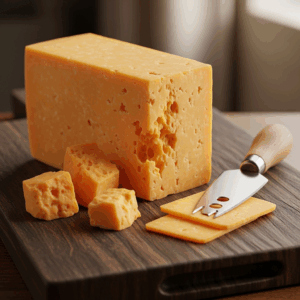





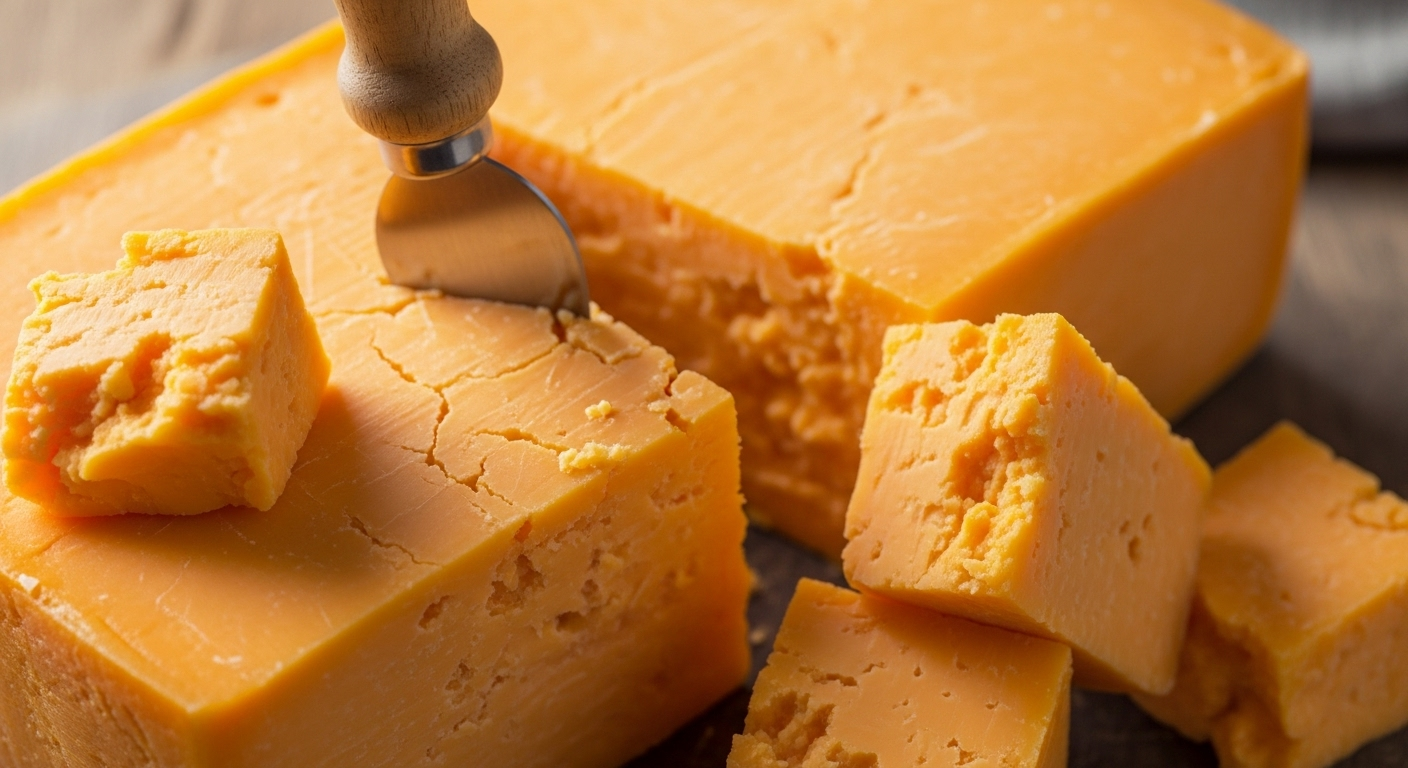
Beneath its golden, rugged rind lies a world of rich tradition and complex character-cheddar cheese, a beloved staple that has graced tables for centuries. From the rolling hills of the English countryside where it first took shape, to the artisanal dairies and bustling markets around the globe today, cheddar has evolved into a symbol of craftsmanship and flavor diversity. In this article,we’ll uncover the intriguing history of cheddar cheese,explore the spectrum of its distinctive flavors,and highlight some of the most celebrated favorites that have won the hearts (and taste buds) of cheese lovers everywhere. Get ready to embark on a savory journey that reveals why cheddar remains an enduring icon in the world of cheese.
Cheddar cheese uncovered reveals a interesting history and an exquisite flavor spectrum that has captivated palates worldwide. originating from the picturesque village of Cheddar in England during the 12th century, this cheese has journeyed across continents to become a staple in kitchens everywhere. Its versatility shines through-from the creamy mild varieties perfect for melting, to the bold extra sharp cheeses that dramatically elevate any dish.
Prep and Cook Time
Preparation: 10 minutes
Cooking: 15 minutes
Total Time: 25 minutes
Yield
Serves 4 as a hearty snack or appetizer
Difficulty Level
Easy
Ingredients
- 2 cups aged cheddar cheese, shredded (use a mix of mild and sharp for depth)
- 1 tablespoon unsalted butter
- 1 tablespoon all-purpose flour, sifted
- 1 cup whole milk, warmed
- 1 teaspoon Dijon mustard
- Freshly ground black pepper, to taste
- 1/4 teaspoon smoked paprika (optional, for a subtle smoky accent)
- Crackers or crusty bread, for serving
- Fresh chives or parsley, finely chopped, for garnish
Instructions
- Melt the butter in a medium saucepan over medium heat. Once bubbly, whisk in the flour and cook for about 1-2 minutes, stirring constantly to form a smooth roux without browning.
- Gradually pour in the warmed milk while whisking vigorously to prevent lumps. Continue whisking until the mixture thickens slightly,about 4-5 minutes.
- Reduce heat to low,add the shredded cheddar cheese a handful at a time,stirring after each addition until fully melted and creamy.
- stir in the Dijon mustard, black pepper, and smoked paprika if using. Taste and adjust seasonings as desired.
- Remove from heat and transfer the cheese sauce to a warm serving bowl.
- Garnish with freshly chopped chives or parsley for a vibrant pop of color.
- Serve instantly alongside crisp crackers or slices of crusty bread to soak up the cheesy richness.
Tips for Success
- For a silkier sauce, use freshly shredded cheddar instead of pre-shredded, which often contains anti-caking agents.
- If the sauce becomes too thick, gently whisk in a splash more warm milk until desired consistency is reached.
- Experiment with the cheddar blend: combining a sharp with a mild cheddar lends a balanced flavor that’s neither overpowering nor bland.
- Make ahead and gently rewarm on low heat,stirring frequently to prevent scorching.
- To keep the sauce smooth, avoid boiling once cheese is added.
Serving suggestions
This luscious cheddar cheese sauce is a delight on its own or an excellent topping for steamed vegetables, baked potatoes, or grilled chicken. To elevate presentation, set the bowl on a wooden platter surrounded by an assortment of crunchy, fresh vegetables like baby carrots, celery sticks, and bell pepper strips.A dash of smoked paprika on top adds a warm hue and subtle smoky aroma, encouraging guests to dig in eagerly.
| Nutritional Data per 1/2 cup serving |
Amount |
|---|---|
| Calories | 210 |
| Protein | 12g |
| Carbohydrates | 6g |
| Fat | 16g |

Exploring the Spectrum of Flavors with Cheddar Cheese Uncovered
Understanding the glorious spectrum of cheddar starts with recognizing its aging process. Mild cheddars, aged just 2-3 months, offer creamy, buttery notes perfect for melting or snacking. in contrast, extra sharp cheddars - aged well over a year - present a robust tang with crystalline textures that add crunch and complexity. Between these extremes lies a playground of flavor, where every bite tells a story of terroir and tradition.
Pairing Perfection: Matching Cheddar with Food and drink
Cheddar cheese uncovered showcases versatility in pairing. Mild cheddars complement fresh fruits such as apples and pears, or crisp vegetable crudités. Sharp cheddars stand tall alongside spiced nuts, chutneys, and golden-hued honey drizzles. For drinks, non-alcoholic options like apple cider and crisp sparkling water create refreshing contrasts, while a rich, malty stout or a hoppy IPA (source: Cheesemaking.com) beautifully balance cheddar’s creamy intensity.
Top Cheddar Picks – Tried and True Favorites
Every cheese lover’s collection deserves a few cornerstone choices: Vermont’s classic white cheddar, England’s famed West Country Farmhouse Cheddar, and artisan farmhouse cheddars from Ireland and Canada. Each variety embodies elements of history,craftsmanship,and terroir that make cheddar cheese uncovered an endless adventure of flavor. Seek out these favorites at specialty shops or farmer’s markets for the freshest, highest-quality selections.
Discover more ways to enjoy aged cheeses in our Ultimate Cheese Plate Guide and elevate your culinary creations today.
Q&A
Q&A: Cheddar Cheese Uncovered: History, Flavors, and Favorites
Q1: Where does cheddar cheese originally come from?
A1: Cheddar cheese traces its roots back to the English village of Cheddar in Somerset. Dating as far back as the 12th century,local farmers developed a unique method of cheese-making involving “cheddaring,” a process that involves stacking and turning curds to create its dense,crumbly texture. This tradition gave birth to one of the world’s most beloved cheeses.
Q2: What exactly is the “cheddaring” process?
A2: Cheddaring is a distinctive step in traditional cheddar cheese production. After the milk curdles, the curds are cut, stacked, and pressed to expel whey and develop texture. This hands-on method creates cheddar’s signature firmness and helps develop its characteristic flavor depth. It’s a tactile, almost meditative process that greatly influences the cheese’s final character.
Q3: How does cheddar flavor vary?
A3: The flavor spectrum of cheddar ranges from mild and creamy to sharp and tangy, frequently enough deepening with age. Young cheddar tends to be smooth and mellow, while aged cheddar develops complex nutty, earthy, and even slightly fruity notes. Regional variations and the type of milk used also add layers of subtlety to the taste profile.
Q4: Can cheddar cheese be different colors?
A4: Absolutely! While natural cheddar is pale to deep yellow, many cheddars-especially from the U.S. and canada-are dyed orange using annatto,a natural coloring derived from the seeds of the achiote tree. This coloring doesn’t affect flavor but offers an eye-catching hue that has become part of cheddar’s identity.
Q5: What are some popular ways to enjoy cheddar cheese?
A5: Cheddar’s versatility shines in countless culinary creations. From melting atop casseroles and baked potatoes to gracing a classic grilled cheese sandwich, this cheese adds comforting richness. It’s also fantastic crumbed over salads or paired with fresh fruits and nuts for a simple, elegant snack.
Q6: Is there a difference between farmhouse cheddar and industrial cheddar?
A6: Yes! farmhouse cheddar is traditionally made in small batches using raw or minimally processed milk, frequently enough maintaining unique local character and complex flavors tied to specific regions. Industrial cheddar, produced on a large scale, frequently enough uses pasteurized milk and standardized processes to ensure consistent taste and texture across batches.
Q7: How long can you age cheddar, and what does aging do?
A7: Cheddar can be aged anywhere from 3 months to several years. The aging process intensifies flavors, frequently enough turning the cheese crumbly and more robust. Some artisan cheddars are aged up to 5 years or more, yielding bold, crystalline textures and nuanced tastes that delight cheese connoisseurs.
Q8: what makes cheddar cheese a global favorite?
A8: Its adaptability, rich flavor range, and satisfying texture have earned cheddar a worldwide fan base. Whether quietly savoring a slice or using it as a star ingredient, cheddar has woven itself into culinary traditions across continents, proving its timeless appeal.
Q9: Are there unique cheddars from around the world worth exploring?
A9: Indeed! Beyond England, countries like Canada, the United States, and Australia produce excellent cheddars, each with regional touches. For example,Vermont cheddar offers a creamy yet tangy profile,while Canadian cheddars often bring a slightly fruitier note. Seeking out these varieties invites new layers of appreciation.
Q10: How should you store cheddar cheese to maintain its best qualities?
A10: cheddar prefers cool, humid environments-ideally wrapped in wax paper or cheese paper to allow it to breathe while protecting it from drying out.Store it in the refrigerator’s cheese or vegetable drawer and bring it to room temperature before serving for maximum flavor expression.
—
Through centuries and continents,cheddar cheese continues to enchant with its rich history and flavorful versatility. Whether mellow or sharp, classic or inventive, cheddar remains a culinary treasure deserving of revelation and delight.
Closing Remarks
From its rustic origins in the English countryside to the diverse range of flavors that now delight palates worldwide, cheddar cheese has truly earned its place as a beloved staple in kitchens everywhere. Whether sharp and aged or mild and creamy, each bite tells a story steeped in tradition and craftsmanship. As you explore the many facets of cheddar-from its rich history to the exciting varieties that continue to emerge-remember that this timeless cheese is more than just an ingredient; it’s a flavorful journey through centuries of culinary artistry. So next time you savor a slice, you’re not just tasting cheese-you’re experiencing a heritage shaped by passion, patience, and a pinch of cheddar magic.