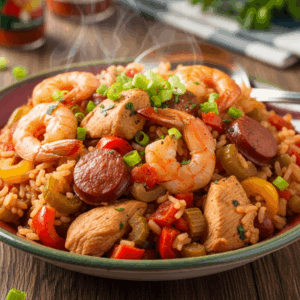


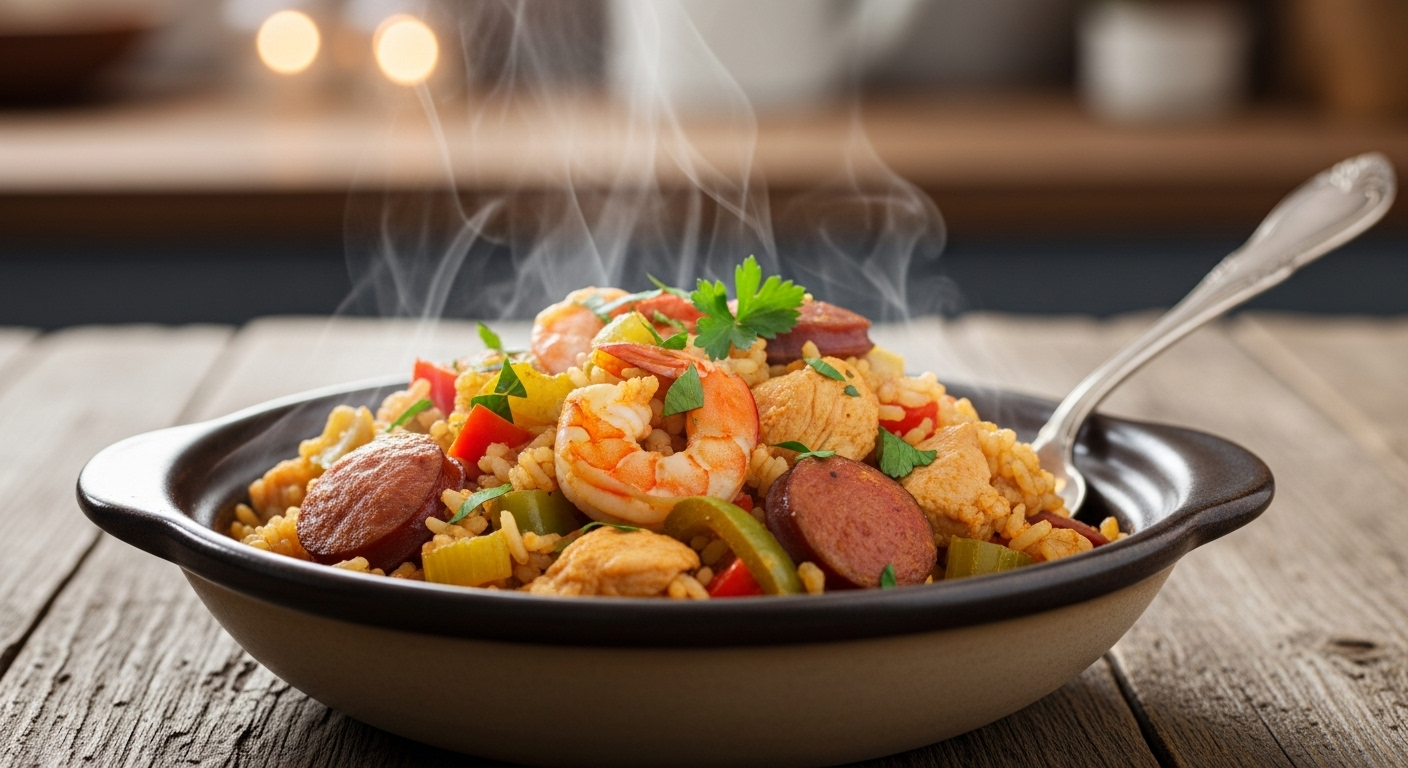
in the vibrant tapestry of Southern Louisiana’s culinary heritage, few dishes capture the heart and soul of the region like jambalaya. This beloved one-pot wonder is more than just a meal-it’s a flavorful journey that weaves together the rich traditions of Cajun and creole cuisine. Born from a melting pot of cultures, jambalaya tells a story of resilience, creativity, and community, blending spices, meats, and rice into a symphony of taste that is both comforting and captivating.Join us as we delve into the origins, variations, and irresistible allure of jambalaya, exploring how this quintessential dish continues to spice up tables and bring people together across generations.
Jambalaya: A Flavorful Journey Through Cajun and Creole Cuisine invites you to explore the rich tapestry of Louisiana’s culinary heritage, where every bite tells a story of culture, tradition, and fiery passion. This beloved dish, rooted in the fusion of French, Spanish, West African, and Native American influences, has evolved into an iconic symbol of Cajun and Creole kitchens alike. Whether simmered slowly by a spirited family or served up at a lively street festival, jambalaya encapsulates the heart and soul of southern cooking with its vibrant blend of spices, smoky meats, and aromatic rice.
Prep and Cook Time
- Preparation: 20 minutes
- Cooking: 50 minutes
- Total Time: 1 hour 10 minutes
Yield
- Serves 6 hearty portions
Difficulty Level
- Medium – perfect for cooks with some experience in layering flavors and managing the rice cooking process
Ingredients That Define Authentic Jambalaya Flavors
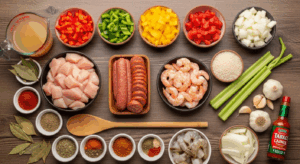
- 2 tbsp vegetable oil
- 1 lb Andouille sausage, sliced into 1/2 inch rounds
- 1 lb boneless, skinless chicken thighs, diced
- 1 large onion, finely chopped
- 1 green bell pepper, diced
- 3 stalks celery, diced
- 4 cloves garlic, minced
- 1 1/2 cups long-grain white rice, rinsed and drained
- 4 cups chicken stock, preferably homemade or low sodium
- 1 (14 oz) can diced tomatoes, with juice
- 2 tsp Cajun seasoning (blend of paprika, cayenne, oregano, thyme, salt, and pepper)
- 1 tsp smoked paprika
- 1/2 tsp dried thyme
- 2 bay leaves
- Salt and freshly ground black pepper, to taste
- 2 green onions, sliced thin for garnish
- Fresh parsley, chopped for garnish
Step by Step Guide to Mastering Classic Jambalaya Recipes
- heat the vegetable oil in a large, heavy-bottomed pot or Dutch oven over medium-high heat. Add the Andouille sausage slices and cook until crisp and browned, about 5-7 minutes. Remove with a slotted spoon and set aside.
- In the same pot, add diced chicken thighs. Brown evenly on all sides until cooked through, about 6-8 minutes. Remove and set aside with the sausage.
- Sauté the “holy trinity”-onion, green bell pepper, and celery-in the rendered fat with a pinch of salt. Cook until softened and translucent, about 8 minutes, stirring occasionally.
- Add the minced garlic and cook for 1 minute more,just until fragrant.
- stir in the rinsed rice, coating it evenly with the vegetable and savory base. Toast the rice lightly for about 2 minutes to bring out a nutty aroma.
- Pour in chicken stock and diced tomatoes along with their juice. Add the cooked sausage and chicken back to the pot.
- Season with Cajun seasoning, smoked paprika, dried thyme, bay leaves, salt, and freshly ground black pepper. Stir well to combine all elements.
- Bring the mixture to a boil, then reduce heat to low and cover tightly with a lid. Let it simmer gently for 25-30 minutes, or until the rice is tender and the liquid is absorbed. avoid lifting the lid frequently to ensure perfect steaming.
- Remove from heat,discard the bay leaves,and let the jambalaya rest covered for 5 minutes to allow flavors to settle.
- Fluff with a fork and garnish with sliced green onions and chopped fresh parsley before serving.
tips for Success: Chef’s Notes
- Meat variations: Substitute chicken thighs for breast meat for a leaner dish, or add shrimp during the last 5 minutes of cooking for a traditional seafood twist.
- Rice Choice: Long-grain white rice offers the best texture, but if you prefer brown rice, increase cooking time and liquid accordingly.
- Cajun Seasoning: Make your own by mixing smoked paprika, cayenne, garlic powder, onion powder, dried oregano, thyme, salt, and black pepper for authentic heat and depth.
- Make-Ahead: Jambalaya tastes even better the next day after flavors meld in the fridge. Reheat gently with a splash of broth or water to refresh.
- Consistency Issues: If too dry, add more stock during simmering; if too wet, cook uncovered for a few minutes to evaporate excess liquid.
Pairing Suggestions and Serving Tips for an Authentic Cajun feast
serve your masterpiece jambalaya with a crisp green salad tossed in tangy vinaigrette or a classic Southern-style coleslaw to balance out the spice. Cornbread or crusty French bread makes an ideal side for sopping up every appetizing drop. For drinks, consider a cold, refreshing beer like a Louisiana-brewed lager or a citrusy cocktail-perhaps a classic Sazerac or a refreshing Hurricane-to complement the robust flavors.
For garnishes,freshly chopped parsley and sliced green onions add visual appeal and a fresh herbaceous note. A few dashes of hot sauce on the side let guests customize their heat level, making this dish perfect for any palate.
| Nutritional Data (per serving) |
Calories | Protein (g) | Carbs (g) | Fat (g) |
|---|---|---|---|---|
| Classic Jambalaya | 480 | 35 | 45 | 15 |
Discover more authentic Cajun recipes in our Cajun Cooking Basics guide to deepen your southern kitchen adventures.
Learn more about the cultural roots of Cajun and Creole cuisines from the National Park Service.

Q&A
Q&A: Jambalaya – A Flavorful Journey Through Cajun and Creole Cuisine
Q1: What exactly is jambalaya?
A: Jambalaya is a vibrant, hearty one-pot dish that originated in louisiana, blending influences from French, Spanish, African, and Native American cuisines. At its core, it’s a savory mix of rice, vegetables, spices, and a variety of proteins such as sausage, chicken, and seafood. Each spoonful tells a story of Cajun and Creole heritage, packed with bold flavors and rich aromas.
Q2: How do Cajun and Creole jambalayas differ?
A: While both styles of jambalaya celebrate Louisiana’s rich culinary traditions, their differences lie in their ingredients and cooking methods. Creole jambalaya, often called “red jambalaya,” typically includes tomatoes, lending it a tangy brightness. Cajun jambalaya, or “brown jambalaya,” skips the tomatoes, focusing instead on the deep, smoky flavors from browned meat and the “holy trinity” of onions, bell peppers, and celery. Both variations are equally delicious but showcase different facets of the region’s flavor tapestry.
Q3: What is the “holy trinity,” and why is it crucial?
A: The “holy trinity” in Cajun and Creole cooking refers to the trio of finely chopped onions, bell peppers, and celery. This aromatic foundation is the heartbeat of jambalaya and many Louisiana dishes, providing a complex base of flavor and texture. It’s like the spice’s handshake, welcoming you into the world of Southern cooking with every sautéed stir.
Q4: Can jambalaya be made vegetarian or vegan?
A: Absolutely! While jambalaya traditionally features meat and seafood, it’s a remarkably adaptable dish. For a vegetarian or vegan twist, swap out meats for hearty vegetables like mushrooms, zucchini, or eggplant, and use vegetable broth instead of stock. beans, tofu, or plant-based sausages can add protein and texture, allowing the dish’s signature spices to shine through without compromise.
Q5: What spices and seasonings define jambalaya’s flavor?
A: Jambalaya owes its signature zest to a medley of spices including cayenne pepper, paprika, thyme, oregano, and black pepper. Garlic adds pungency, while bay leaves lend a subtle earthiness.The skillful balance of heat and herbs ensures each bite resonates with warmth and complexity, evoking the spirited culture of Louisiana’s bayous and bayfronts.
Q6: How has jambalaya influenced american cuisine?
A: More than just a regional specialty, jambalaya embodies the melting pot that is American cuisine.Its fusion of cultures set a delicious precedent for creative, cross-cultural cooking nationwide. From backyard barbecues to upscale restaurants, jambalaya’s adaptable, flavorsome profile has inspired chefs and home cooks alike to embrace bold tastes and communal dining traditions.
Q7: What’s the best way to serve jambalaya?
A: Jambalaya shines best fresh and hot, often accompanied by crusty french bread or cornbread to soak up the flavorful juices. It pairs beautifully with cold beverages like sweet tea or a crisp white wine,harmonizing with the dish’s spicy richness. Whether served at a festive gathering or a cozy supper, jambalaya invites communal enjoyment and lively conversation.
Embark on your own flavorful journey by tasting or cooking jambalaya-a delicious tribute to the rich, diverse heritage of Cajun and Creole cuisine.Each bite is a celebration, a story, and a culinary adventure all rolled into one pot.
Final Thoughts
From its humble beginnings in the bayous to bustling city tables, jambalaya serves as a delicious testament to the vibrant tapestry of Cajun and Creole culture. each spoonful tells a story-of heritage, resilience, and the joyful mingling of flavors that define Louisiana’s unique culinary landscape. Whether you’re a seasoned gastronome or a curious newcomer, exploring jambalaya is more than just a meal; it’s a flavorful journey that invites you to savor history one bite at a time. So next time you sit down to this hearty dish, remember you’re partaking in a rich tradition that continues to spice up kitchens and hearts around the world.